Hit Mix 1987 is a high-energy megamix that captures the explosive dancefloor spirit of one of the most exciting years in pop and electronic music, weaving the era's biggest chart hits into one seamless, unstoppable ride. The year sat at a vivid crossroads of sounds — hi-NRG was giving way to smoother freestyle and new jack swing, early house was making its first tremors felt in clubs across Europe, and electronic pop production had reached a glossy, radio-ready peak. The mix tears through the year's landmark moments with relentless momentum: Rick Astley's back-to-back chart dominators "Never Gonna Give You Up" and "Whenever You Need Somebody" rub shoulders with Whitney Houston's euphoric "I Wanna Dance With Somebody" and Michael Jackson's swaggering "Bad." Marrs' groundbreaking "Pump Up The Volume" brought a revolutionary collage aesthetic to the pop charts, while the Pet Shop Boys delivered two stone-cold classics in "It's A Sin" and their sweeping cover of "Always On My Mind." Heart's powerhouse ballad "Alone" provides an unexpected emotional centrepiece, with further dancefloor ammunition from Mel and Kim, Samantha Fox, Bananarama, Alexander O'Neal, and Janet Jackson rounding out an already stacked tracklist. What sets Hit Mix 1987 apart is the intelligence of its construction — harder electronic rhythms sit comfortably alongside lush orchestration, and bubblegum pop flows directly into club-aimed tracks without losing a step. The result is a document of a year when pop and dancefloor culture were in perfect sync, and it plays with the confidence of a DJ who knows exactly how to keep a room moving from start to finish.
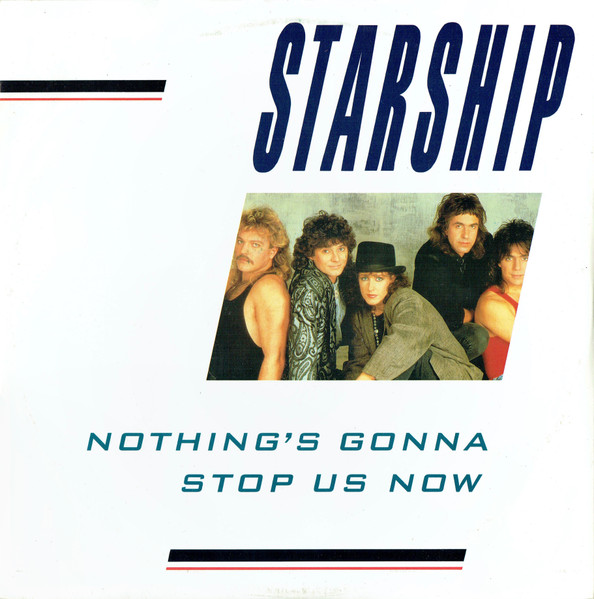
Starship's Nothing's Gonna Stop Us Now (1987), co-written by Diane Warren and Albert Hammond, is an iconic power ballad featuring Grace Slick and Mickey Thomas. Featured as the theme for the movie Mannequin, it became a global hit, topping the Billboard Hot 100 and charts in the UK, Canada, and Ireland. The song also earned an Academy Award nomination for Best Original Song.
.jpg)
Coldcut's remix of Eric B. & Rakim turns hip-hop into a widescreen sample collage, full of breaks, voices and unexpected turns. It gives Decadance II a crucial bridge between rap, club culture and remix art.
Chart peaks: UK #15
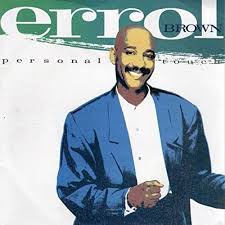
Errol Brown's Personal Touch (1987) marked his solo debut after the breakup of Hot Chocolate. Featuring soulful melodies and his signature smooth vocals, the track reached #25 on the UK Singles Chart, showcasing his transition to a successful solo career.
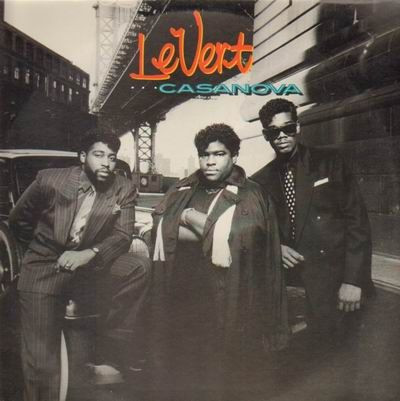
LeVert's Casanova (1987), from their album The Big Throwdown, is a defining new jack swing track written and produced by Reggie Calloway. Featuring smooth vocals and infectious melodies, the song became LeVert's biggest hit, peaking at #5 on the Billboard Hot 100 and #9 on the UK Singles Chart.
Notably, it was the first new jack swing track to top the Billboard Hot Black Singles chart, holding the #1 spot for two weeks. Casanova also gained cultural significance, becoming a staple for New Orleans brass bands, popularized by the Rebirth Brass Band.
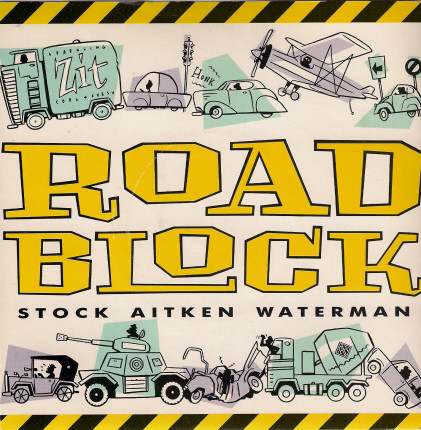
Stock Aitken Waterman's Roadblock (1987) is a funk-driven instrumental that marked the trio's debut as recording artists. Created to counter critics who dismissed their work as formulaic, the track was initially released anonymously, allowing it to be judged on its merits. The strategy paid off, earning praise from skeptics and proving their versatility.
Featuring standout alto saxophone contributions by Gary Barnacle, Roadblock reached #13 on the UK Singles Chart, showcasing the production team's skill beyond their usual pop hits.
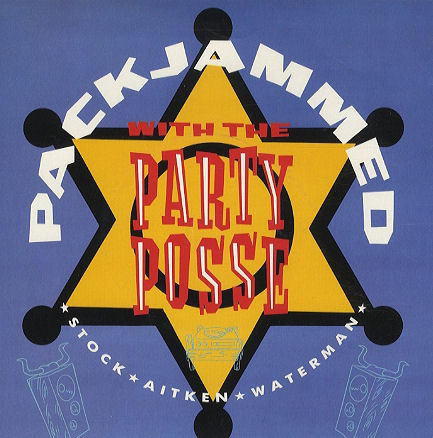
Stock Aitken Waterman's Packjammed (With the Party Posse), released in December 1987, is an instrumental track that showcases the trio's production prowess. Following their earlier release, Roadblock, this song further established their presence as recording artists. The track achieved moderate success, peaking at #41 on the UK Singles Chart and spending six weeks on the chart.
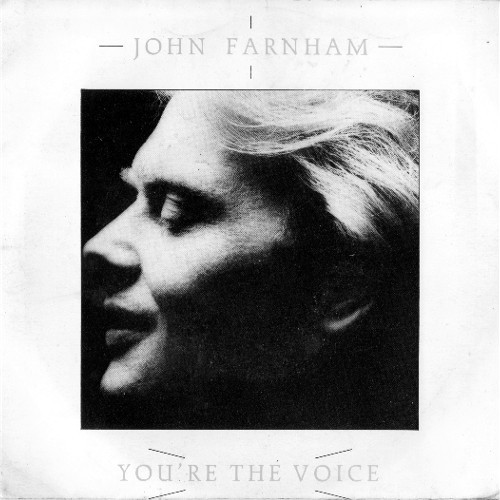
John Farnham's You're the Voice (1986) is a timeless pop-rock anthem that became a career-defining hit. Written by Andy Qunta, Keith Reid, Maggie Ryder, and Chris Thompson, the song delivers an inspiring message about individual empowerment and standing up against societal challenges.
The track topped the Australian Kent Music Report Singles Chart and achieved top ten positions in several European countries, including the UK and Ireland. Its music video features Farnham and his band interwoven with imagery of people from diverse backgrounds, reinforcing its universal call for unity and action.
A staple in Farnham's live performances, You're the Voice remains a symbol of collective strength and resilience.
Sassy SAW-produced warning shot against smooth-talking chancers, with Mel & Kim's razor-sharp attitude at full voltage.
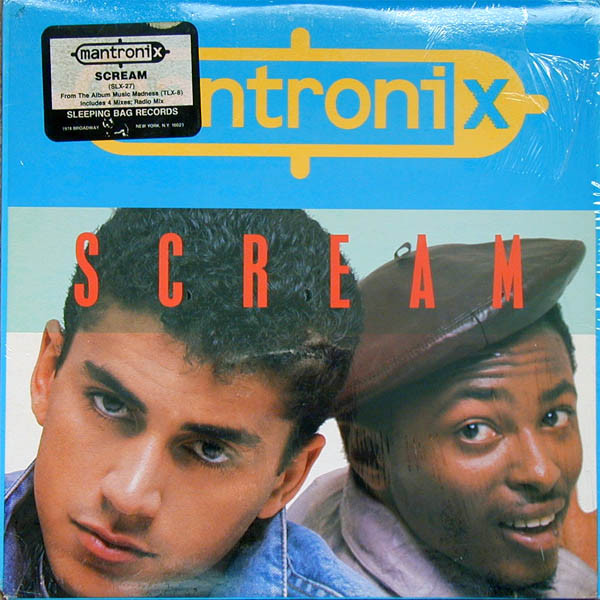
Mantronix's Scream, from their 1986 album Music Madness, is a groundbreaking blend of hip-hop and electro-funk. Driven by Kurtis Mantronik's innovative production, the track merges electronic beats with hip-hop rhythms, showcasing the duo's experimental approach to sound.
The energetic beats and intricate arrangements solidify Scream as a defining moment in the electro-funk genre, illustrating Mantronix's influence on the evolution of hip-hop and electronic music.
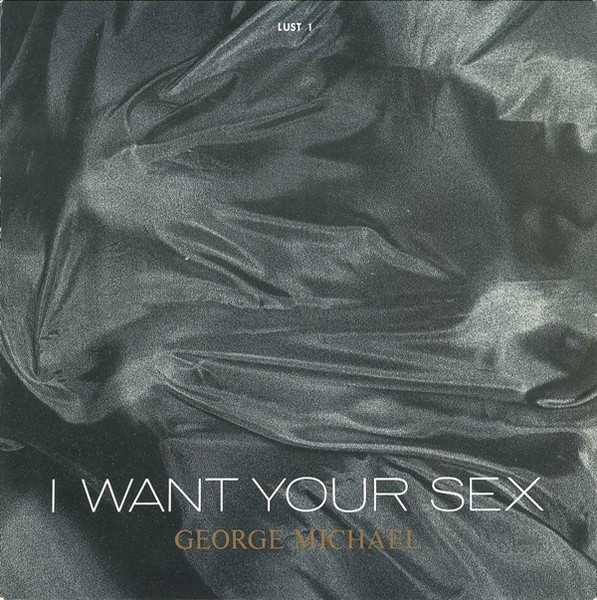
George Michael's I Want Your Sex (1987) is a bold dance-pop and funk-pop single from his debut solo album, Faith. Also featured on the Beverly Hills Cop II soundtrack, the song's provocative lyrics promoting monogamy sparked controversy, leading to restricted airplay on outlets like the BBC.
Despite the controversy, the track was a commercial success, peaking at #2 on the U.S. Billboard Hot 100 and #3 on the UK Singles Chart. The Andy Morahan-directed music video, starring Michael's then-girlfriend Kathy Jeung, emphasized themes of love and commitment, with the phrase "explore monogamy" written on Jeung's back as a key visual.
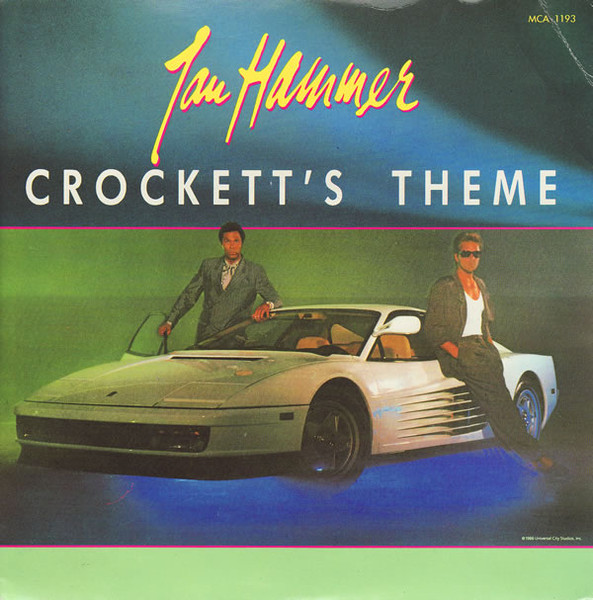
Jan Hammer's Crockett's Theme (1986) is an iconic instrumental piece created for the hit TV series Miami Vice. Composed for the character Detective James "Sonny" Crockett, it first appeared in the episode "Calderone's Return: Part 1 – The Hit List" in 1984 and became a signature motif throughout the series.
The track saw widespread success in Europe, reaching #1 in Belgium and the Netherlands and peaking at #2 in the UK and Ireland. Its timeless appeal extends beyond television, featuring in media like the 2002 video game Grand Theft Auto: Vice City on the in-game radio station Emotion 98.3.
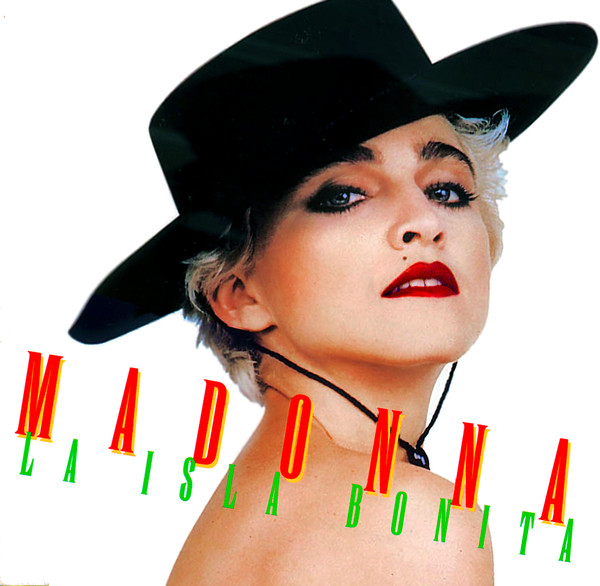
Madonna adds sunlit Latin-pop elegance with 'La Isla Bonita', balancing romance, rhythm and immaculate melody. In Decadance II it brings a softer but instantly recognisable pop glow.
Chart peaks: UK #1
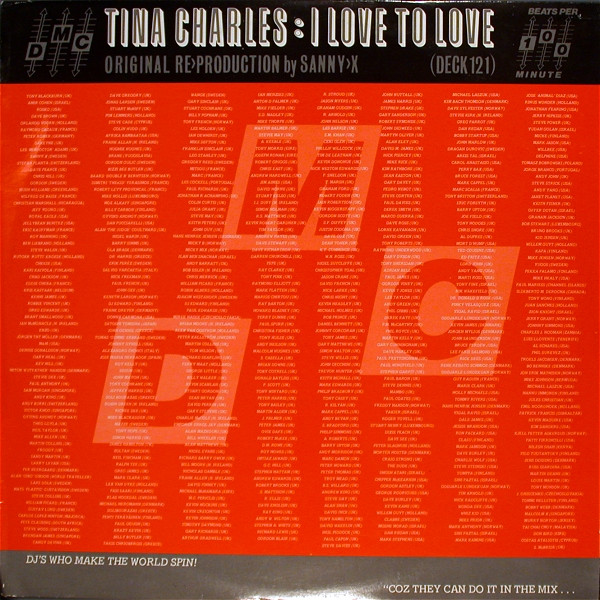
Tina Charles' I Love to Love (But My Baby Loves to Dance) (1976) is a disco classic from her debut album I Love to Love. Written by Jack Robinson and James Bolden, the track became a massive hit, reaching #1 on the UK Singles Chart and topping charts across Europe.
The song’s infectious rhythm and Charles’ soulful voice made it a signature track of the disco era, emphasizing themes of romantic frustration over a partner’s obsession with dancing rather than love.
.jpg)
Sly and Robbie's Boops (Here to Go) (1987), from their album Rhythm Killers, is a unique fusion of electronic, reggae, and funk elements. Featuring a rap by Shinehead and an interpolation of Rossini's The Barber of Seville, the track became a standout hit, peaking at #12 on the UK Singles Chart and #13 in New Zealand.
The song's enduring appeal saw it referenced in Robbie Williams' 2006 track "Rudebox," introducing its distinctive sound to a new audience.
Sweeping, soulful pop with a cinematic feel from Arthur Cripps — one of 1987's most melodic and underrated radio hits.
Title track from Madonna's 1987 film — fizzy Latin-pop with a playful strut, showcasing her at her most effortlessly catchy.
Hypnotic Italo-synth pop with a film-noir atmosphere — Pitt's cool baritone drifts over shimmering electronic textures.
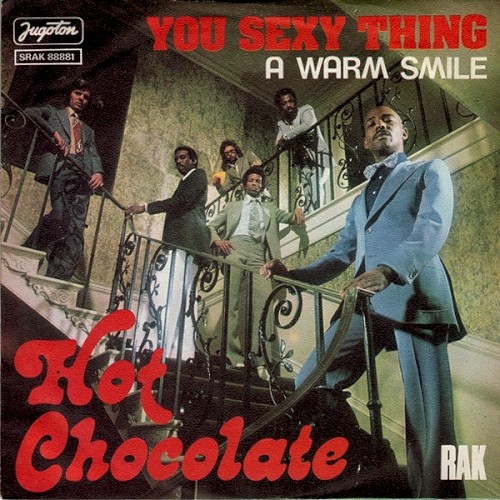
Hot Chocolate bring warm disco-funk charm with a bassline and chorus that feel instantly familiar. In Decadance II it broadens the timeline while keeping the mood loose and celebratory.
Chart peaks: UK #2
Funky, feel-good disco-pop from Hot Chocolate's golden era — Brown's velvet vocals make it impossible to stand still.
R. Lee Ermey's furious drill-sergeant barks weaponised into a thunderous dancefloor hit from Kubrick's Full Metal Jacket.
Electro-funk revamp of the Bahamas' 1971 groove anthem — a punchy, feel-good slab of tropical dancefloor energy.
Hot Chocolate bring warm disco-funk charm with a bassline and chorus that feel instantly familiar. In Decadance II it broadens the timeline while keeping the mood loose and celebratory.
Chart peaks: UK #2
A jubilant funk-disco celebration from Hot Chocolate — its brass-laced groove and Errol Brown's voice never lose their shine.
Slow-burning soul ballad famous for its spoken-word ending — Jones's cool, detached narration became an 80s R&B landmark.
Sisterly Euro-synth pop with an airy feel — the Humpe sisters' breezy songwriting is effortlessly charming throughout.
Punchy Miami freestyle-pop with an empowered message — Allen's bright, assertive vocal cuts clean through the mix.
Slick electro-funk debut from former Shalamar member Watley — a cool, attitude-drenched groove that defined 1987 R&B.
Sam Fox trades glamour for raw drama — a sweeping mid-tempo synth-rock anthem with surprising emotional weight.
Shalamar's disco classic given a sleek 1987 facelift — the updated production keeps its irresistible dancefloor magic intact.
Disco queen Tina Charles bounces back with a carefree boogie-pop gem — light, bright, and impossible to resist.
A landmark of sampling culture — Marrs stitched together dozens of records into a genre-defining 1987 Number One.
The debut that launched Rick Astley globally — SAW's gospel-tinged pop production paired with an impossibly deep baritone.
Bright Italian Eurodisco with an irresistible singalong hook — Spagna's exuberant debut crossed European borders effortlessly.
The defiant title track from Jackson's blockbuster 1987 album — punchy funk-pop co-produced with Quincy Jones.
Tabu Records funk-soul with razor-sharp production — O'Neal's rich baritone cuts deep on this tale of emotional deception.
Lightweight Italo-disco pop built purely for Friday-night euphoria — its breezy, cheerful charm is part of its enduring appeal.
An unusual Eurythmics deep cut — Annie Lennox's haunting vocal weaves over a classical-tinged arrangement with dark romance.
Sophisticated orchestral pop from Martin Fry's ABC — lush strings, sharp wordplay, and a bittersweet tale of love lost.
Shimmering R&B-pop from Janet Jackson's era-defining Control period — sleek rhythm tracks and cool, confident vocals.
The follow-up to his debut smash — another SAW-polished soul ballad wrapped in Rick Astley's unmistakable warm baritone.
The debut single that introduced Mel & Kim to the world — fierce, funky, and dripping with attitude in classic SAW style.
Chicago house at its most uplifting — Hurley's anthem is built on thunderous kicks and a joyous, gospel-tinged energy.
A pure pop explosion of joy — Houston's flawless vocals soar over pumping synth-pop production, making it a timeless anthem.
Soulful dance-pop with an emotional undercurrent — Abrams's rich, aching voice brings genuine depth to this 1987 club track.
Silky 1987 R&B with Tabu Records' trademark polish — O'Neal's smooth, commanding vocal makes this a timeless dancefloor classic.
Veteran LA soul duo the Whispers deliver a tight, funk-laced groove — mature, assured, and built for the dancefloor.
Catchy synth-pop with a punchy new wave edge — the Breakfast Club's biggest hit, driven by an irresistible rhythmic hook.
Co-written by Madonna, Kamen's silky vocal and swooping synth-pop arrangement make this a standout of the 1987 pop landscape.
Funk-electro grooves from the Kentucky crew — a driving, vocoder-laced workout powered by Midnight Star's tight rhythm programming.
An upbeat pop-rock anthem with Fox's signature boldness — energetic, carefree, and built for maximum dancefloor impact.
Stock Aitken Waterman give Bananarama a sleek makeover — punchy synth-pop with cheeky courtroom-drama lyrics.
A tender SAW-crafted ballad showing Astley's emotional range — warm orchestration and his distinctive deep voice in full flow.
Pure summer pop from Stock Aitken Waterman — an unashamedly catchy roleplay anthem that shot Sinitta to Number 1 in 1987.
Elegant blue-eyed soul-pop with bittersweet lyrics — glossy synth production and Clark Datchler's cool tenor made it a UK smash.
The track that kicked off the UK house explosion — Steve Silk Hurley's minimal, hypnotic groove hit Number 1 in January 1987.
A raw, pumping Chicago-style house anthem that channelled underground dancefloor energy straight onto mainstream radio.
Italian Eurodisco that became a pan-European sensation — pure, sun-kissed dancefloor pop with an irresistible singalong chorus.
Dreamy French synth-pop with an otherworldly quality — Desireless's hypnotic vocal and yearning melody crossed all borders.
PSB's electro-orchestral reworking of the Elvis classic became Christmas Number One — dark glamour replacing heartfelt warmth.
Smooth, polished soul-pop from the Pearce family quintet — a sophisticated slice of mid-80s R&B with immaculate production.
A dramatic, choir-backed synth-pop anthem about Catholic guilt — one of the most theatrical singles of the entire 1980s.
Chart peaks: UK #1
Ann Wilson's powerhouse vocal transforms this slow-building rock ballad into an emotional thunderclap — a massive 1987 global hit.
This epic mix is a breathtaking tour through one of pop music's most eclectic years, running over 78 minutes and packing in an extraordinary range of sounds and styles. It opens with Midnight Star's funky "Don't Rock That Boat" and quickly establishes 1988's remarkable breadth from Phil Collins's moody "In The Air Tonight (Remix)" and Climie Fisher's polished pop to the emerging new jack swing of Joyce Sims's "Come Into My Life" and the hip-hop swagger of Eric B. & Rakim's "I Know You Got Soul." Early highlights include the acid house energy of Bomb The Bass's "Beat Dis" and the ethereal beauty of Enya's breakthrough "Orinoco Flow."
The mid-section is particularly rich, showcasing dance music's explosion with S-Express's "Theme From S-Express," Hithouse's "Jack To The Sound Of The Underground," and the early house anthems of Inner City ("Big Fund" and "Good Life") and Royal House's "Can You Party." Rick Astley appears three times, confirming his dominance of the era, while Michael Jackson contributes "Smooth Criminal," "The Way You Make Me Feel," and "Dirty Diana." The mix also captures the Balearic and world-music influences sweeping the clubs Gipsy Kings' "Bamboleo," Ofra Haza's "Im Nin Alu," and Mory Kante's "Yeke Yeke" all make their mark.
The final stretch brings together the year's biggest anthems in an unstoppable finale: D-Mob's "We Call It Acid," Yazz's jubilant "The Only Way Is Up," Salt 'N' Pepa's "Push It!," Womack & Womack's soulful "Teardrops," and Bobby McFerrin's irresistibly carefree "Don't Worry Be Happy." It's a comprehensive and lovingly assembled portrait of a year when pop, hip-hop, house, and soul were all rewriting the rules simultaneously.
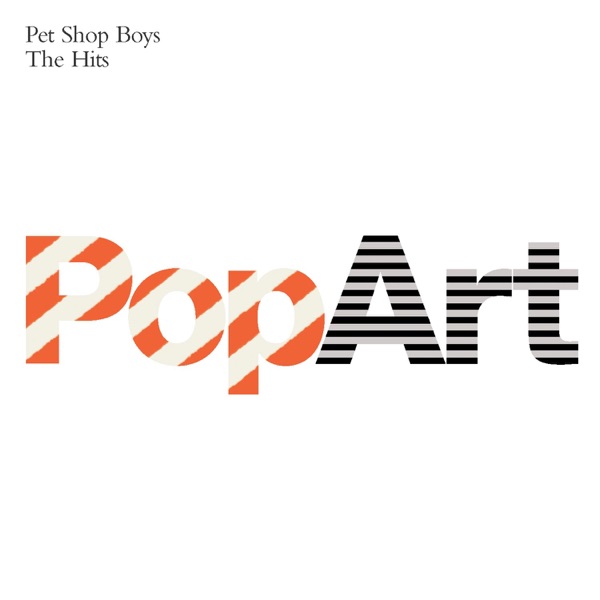
Pet Shop Boys's Domino Dancing from 1989 brings dance pop, synth pop, hi nrg energy into the Deep Dance 001 + 002 tracklist. In the mix it works as a compact snapshot of late-80s club culture, connecting radio hooks, dancefloor rhythm and the fast-cut megamix style that shaped the early Deep Dance sound.
Chart peaks: DE #4 · NL #3 · SE #5 · UK #7
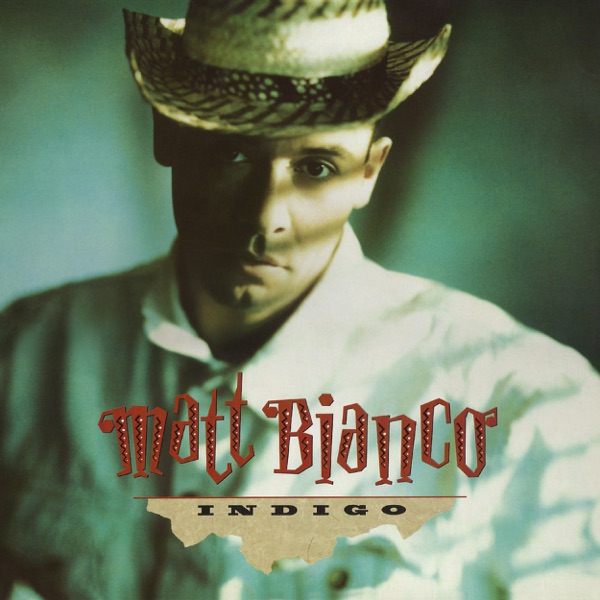
Matt Bianco's Wap Bam Boogie from 1989 brings dance energy into the Deep Dance 001 + 002 tracklist. In the mix it works as a compact snapshot of late-80s club culture, connecting radio hooks, dancefloor rhythm and the fast-cut megamix style that shaped the early Deep Dance sound.
Chart peaks: UK #11
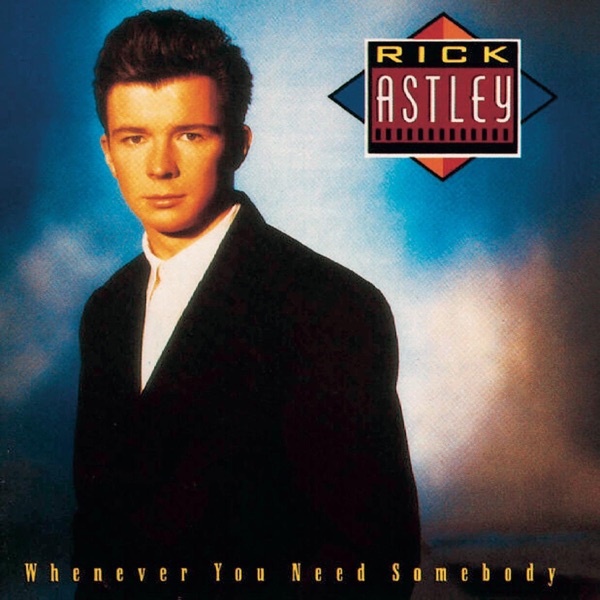
Rick Astley's Together Forever from 1989 brings dance pop energy into the Deep Dance 001 + 002 tracklist. In the mix it works as a compact snapshot of late-80s club culture, connecting radio hooks, dancefloor rhythm and the fast-cut megamix style that shaped the early Deep Dance sound.
Chart peaks: DE #10 · NL #2 · SE #6 · UK #2
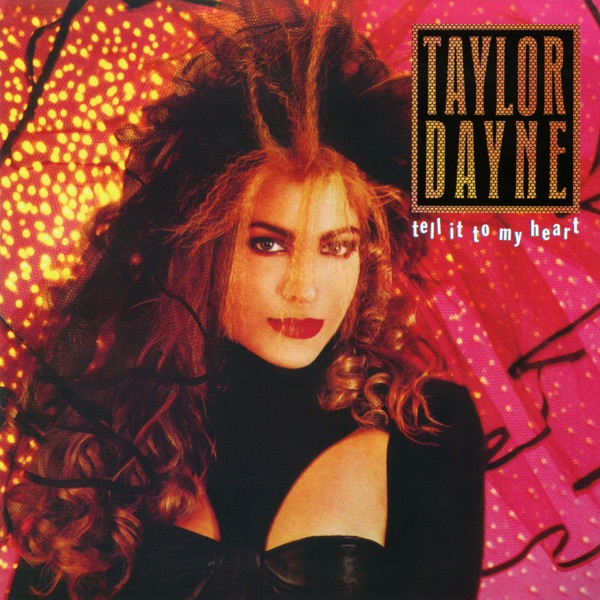
Taylor Dayne delivers big vocal drama, urgent synth-pop production and late-80s dancefloor confidence. 'Tell It To My Heart' is one of Decadance II's strongest pure pop peaks.
Chart peaks: UK #3
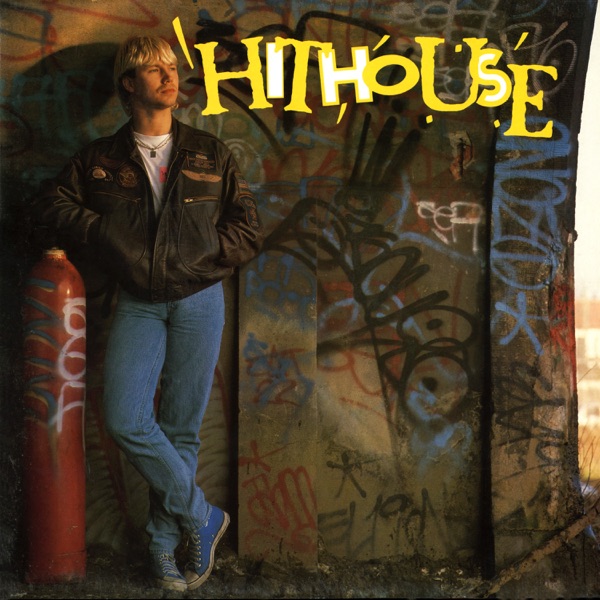
Hithouse's Jack To The Sound Of The Underground from 1989 brings house, acid house energy into the Deep Dance 001 + 002 tracklist. In the mix it works as a compact snapshot of late-80s club culture, connecting radio hooks, dancefloor rhythm and the fast-cut megamix style that shaped the early Deep Dance sound.
Chart peaks: DE #6 · NL #18 · UK #14
Matt Bianco's Wap Bam Boogie from 1989 brings dance energy into the Deep Dance 001 + 002 tracklist. In the mix it works as a compact snapshot of late-80s club culture, connecting radio hooks, dancefloor rhythm and the fast-cut megamix style that shaped the early Deep Dance sound.
Chart peaks: UK #11
A late 1980s soul and R&B track reflecting the polished urban contemporary sound that was popular in both the UK and US during the era. The song's smooth production and soulful vocal delivery are characteristic of the sophisticated R&B style that thrived alongside the more pop-oriented sounds of the late 80s.
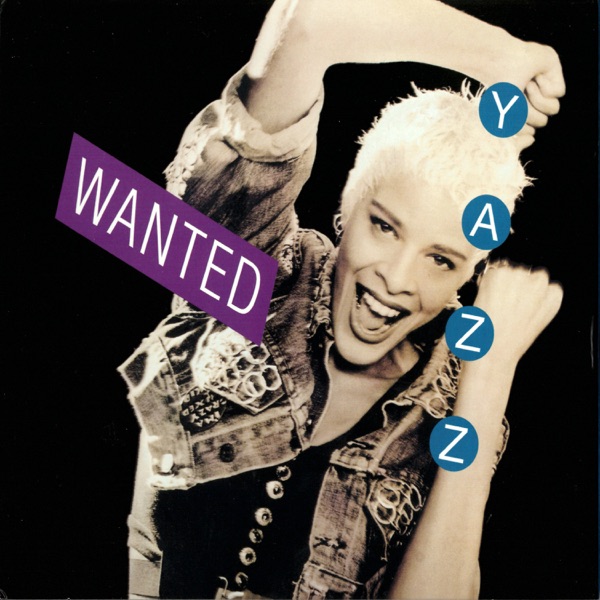
A 1988 UK number one single featuring the powerful vocals of Yazz over a propulsive sampled loop. The energetic, euphoric track topped the UK charts for five weeks, becoming one of the biggest hits of the year and embodying the optimistic, upward-looking spirit of late 80s British pop music.
Chart peaks: NL #2 · UK #1