Deep Dance Take 30 is a euphoric and wide-ranging megamix that celebrates the continued evolution of Eurodance into 1995, demonstrating the genre's ability to absorb new influences while retaining the essential dancefloor energy that had always been its greatest strength. By the time this mix was compiled, the series had grown into one of Europe's most recognisable dance compilation franchises, and the quality of selection here reflects that established confidence and curatorial authority. Masterboy's melodic synth-pop anthems lead the charge, while Pharao's Egyptian-themed "There Is A Star" shows the genre's willingness to experiment with exotic concepts and production palettes without abandoning its commitment to the dancefloor. Centory's driving sound and 2 Brothers On The 4th Floor's uplifting "Let Me Be Free" provide high points of pure Eurodance euphoria — the kind of music that made the mid-90s club experience such an irresistible proposition for an entire generation of young Europeans. God's Groove's "Into The Blue" rounds out the mix's highlight reel with a track that captures the melodic, slightly melancholic edge that Eurodance increasingly explored as the decade progressed toward its second half. By 1995, the genre's mainstream dominance was at its peak but already beginning to face competition from new sounds, and this mix captures that moment of rich creative variety with rare precision and affection. DJ Deep's seamless transitions and expert pacing make this a genuinely satisfying listen from first track to last, fully worthy of its place as the thirtieth chapter in one of Eurodance's most enduring and beloved series.

Take 30 opens with a clean Eurodance starter built from clear vocals, dramatic melody, and a beat that immediately sets the pace. Jamie Price gives the mix a direct pop-club entrance rather than a long atmospheric build. The track's emotional tone is polished and accessible, which makes it an effective invitation into the release's poppier first half. It establishes momentum quickly while leaving room for the bigger names to arrive later.
Chart peaks: no documented DE/NL/SE/UK/DK peak found
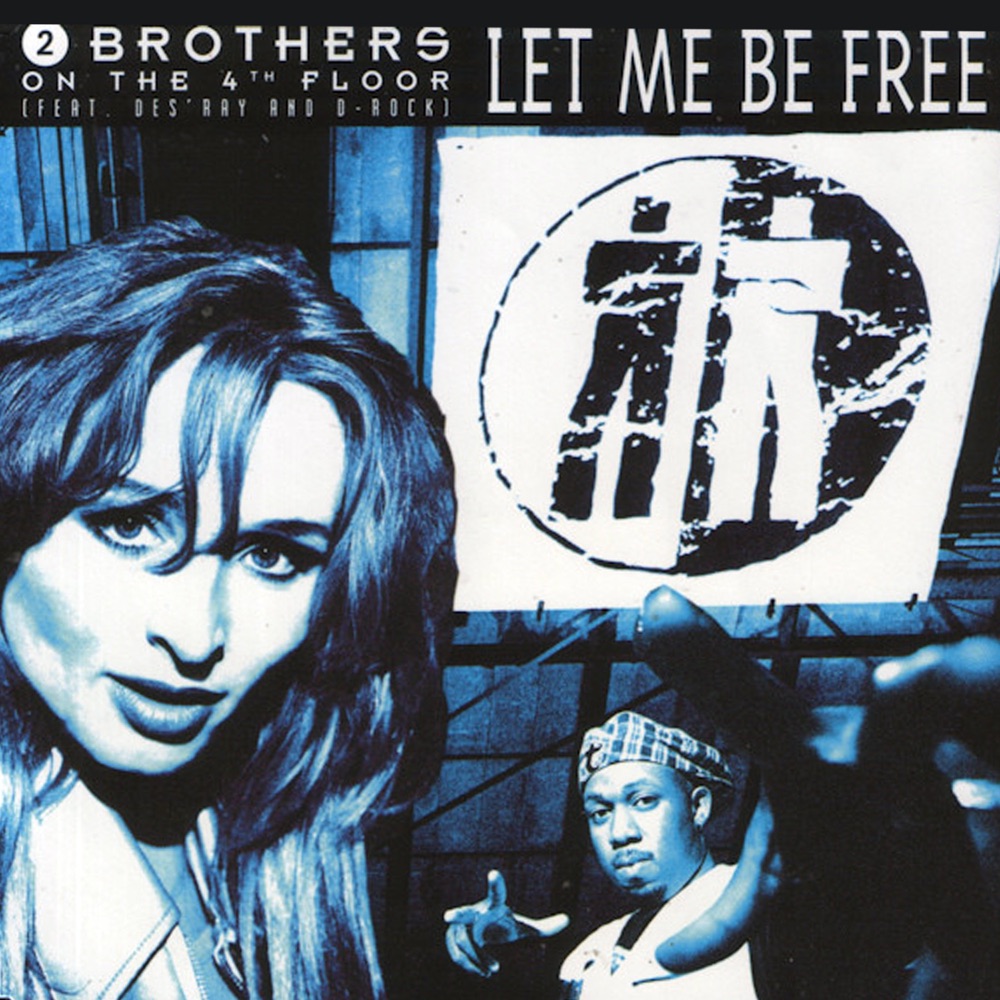
One of DD30's clearest Eurodance peaks, this track brings together soaring female vocals, rap verses, and a chorus built for maximum release. The production has that mid-90s Dutch brightness where every synth stab and handclap feels aimed at a packed club room. In the mix it lifts the energy from steady club drive into pure sing-along euphoria. It also gives Take 30 a recognizable anchor point before the sequence moves back into rougher rave pressure.
Chart peaks: DE #43 · NL #6 · SE #23 · DK #12
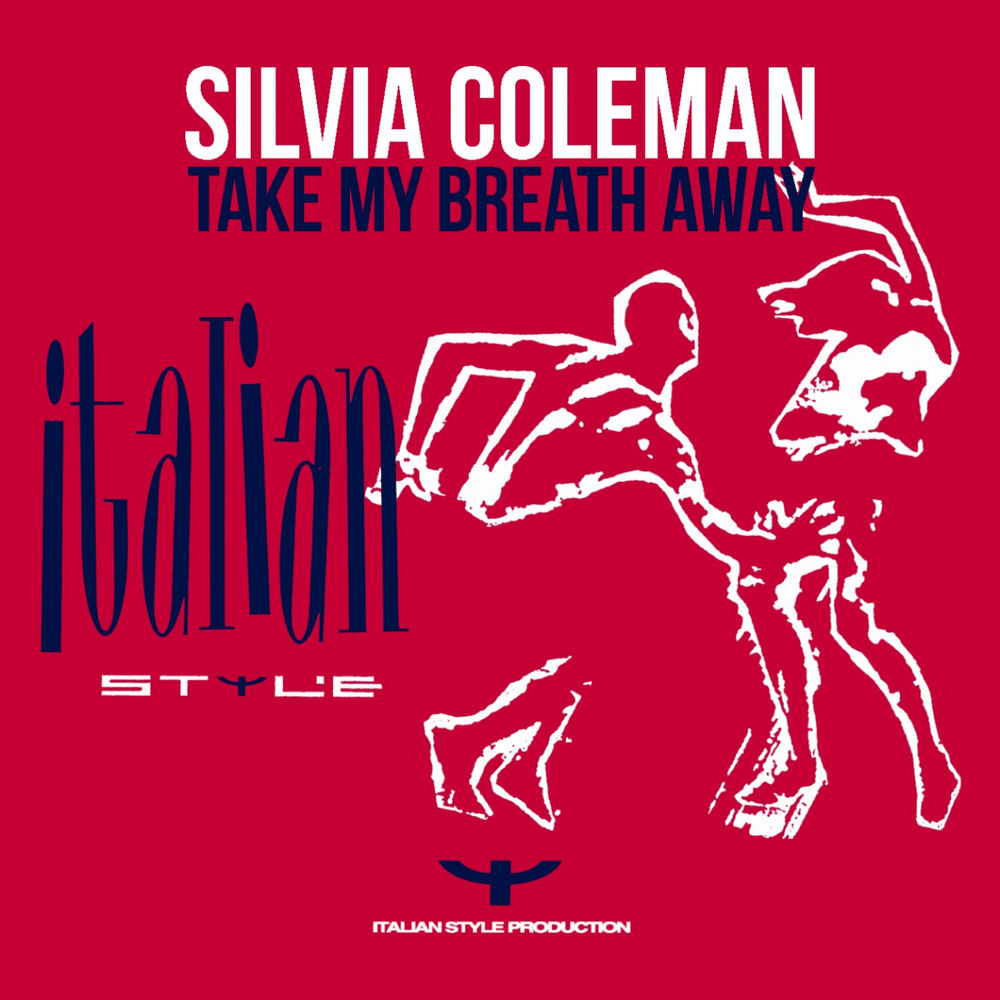
The Berlin ballad is lifted into Eurodance form with a faster pulse, glossy 90s production, and a deliberately melodramatic vocal mood. The track keeps the emotional outline of the original idea while reshaping it for the dancefloor. In DD30 it widens the emotional range early in the mix, proving that the release can handle romance as well as rave pressure. Its familiarity also gives the listener a quick point of recognition inside the rapid sequence.
Chart peaks: no documented DE/NL/SE/UK/DK peak found
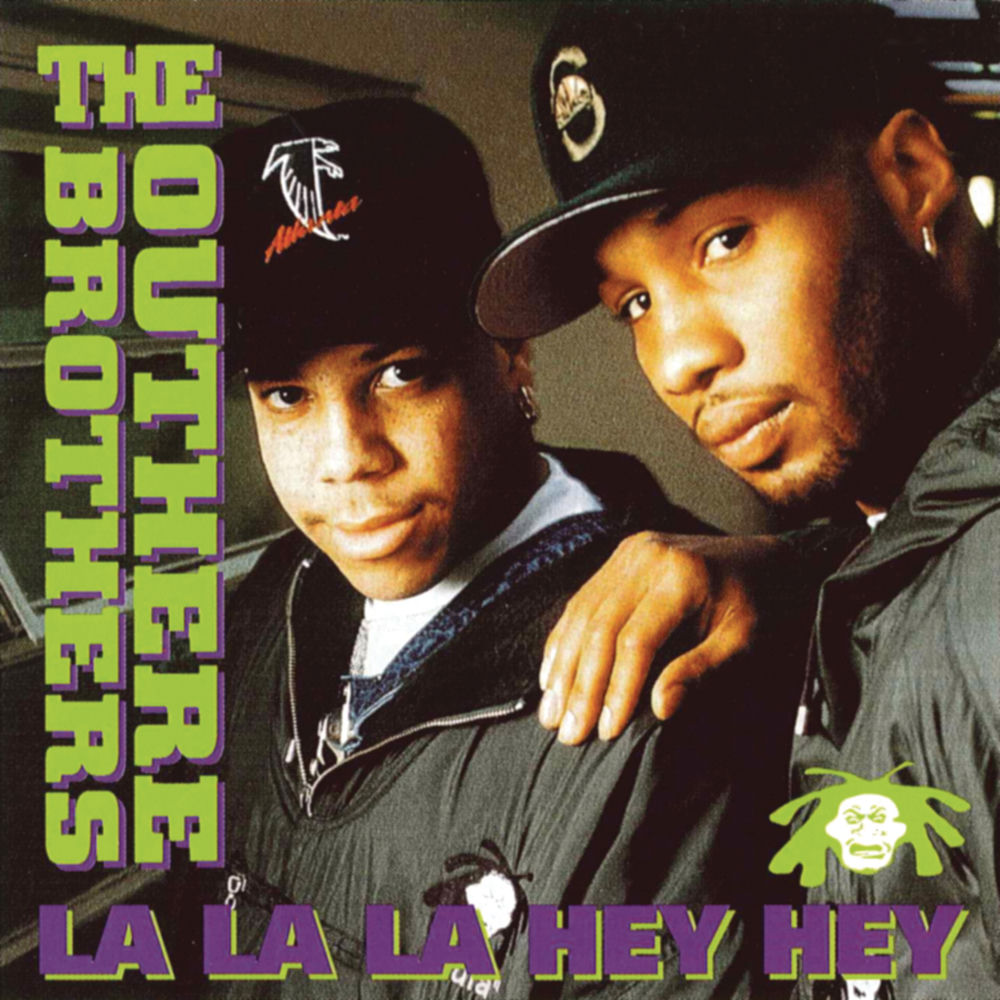
The Outhere Brothers deliver exactly the cheeky, repetitive party energy that made them impossible to ignore in 1994. The track is blunt, catchy, and designed to work instantly, with no interest in subtle build-up or emotional shading. In DD30 it works as pure crowd control, dropping a recognizable chant into the middle of the flow. Its simplicity is part of the joke and part of the effectiveness.
Chart peaks: UK #7
Netzwerk hits the Italian/German Eurodance nerve with insistent synths, melodramatic vocals, and a chorus aimed directly at the dancefloor's big emotions. The track is sleek but urgent, full of the romantic intensity that made mid-90s Eurodance feel larger than life. In Take 30 it adds both drive and drama, giving the mix a strong vocal highlight. Its passion is not subtle, but subtlety was never the point.
Chart peaks: no documented DE/NL/SE/UK/DK peak found
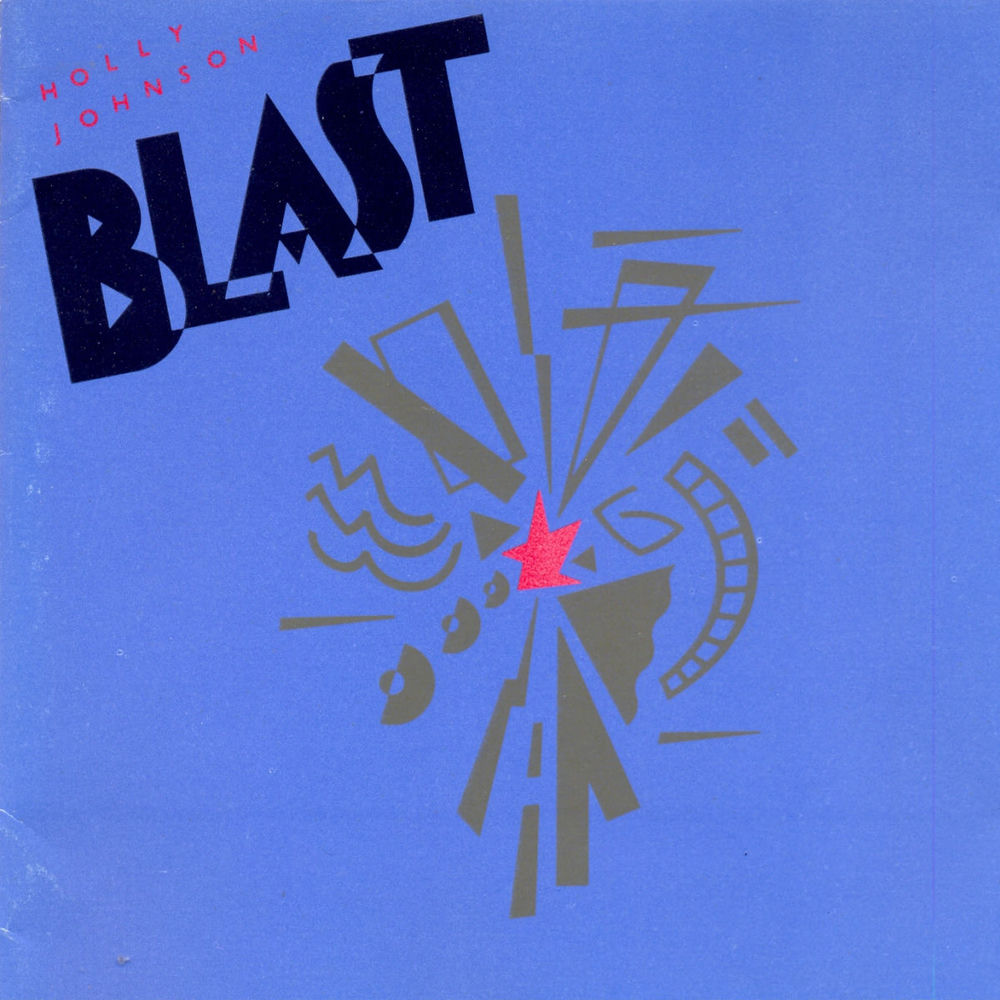
An Italo/Eurodance-leaning cover idea with glossy production and the love-train metaphor running at full speed. The track has a charming, almost kitsch quality, but it never loses the pulse needed for a megamix. Its brightness gives Take 30 a playful lift between more serious or harder-edged moments. The result is lightweight in the best sense: catchy, fast, and immediately legible.
Chart peaks: no documented DE/NL/SE/UK/DK peak found
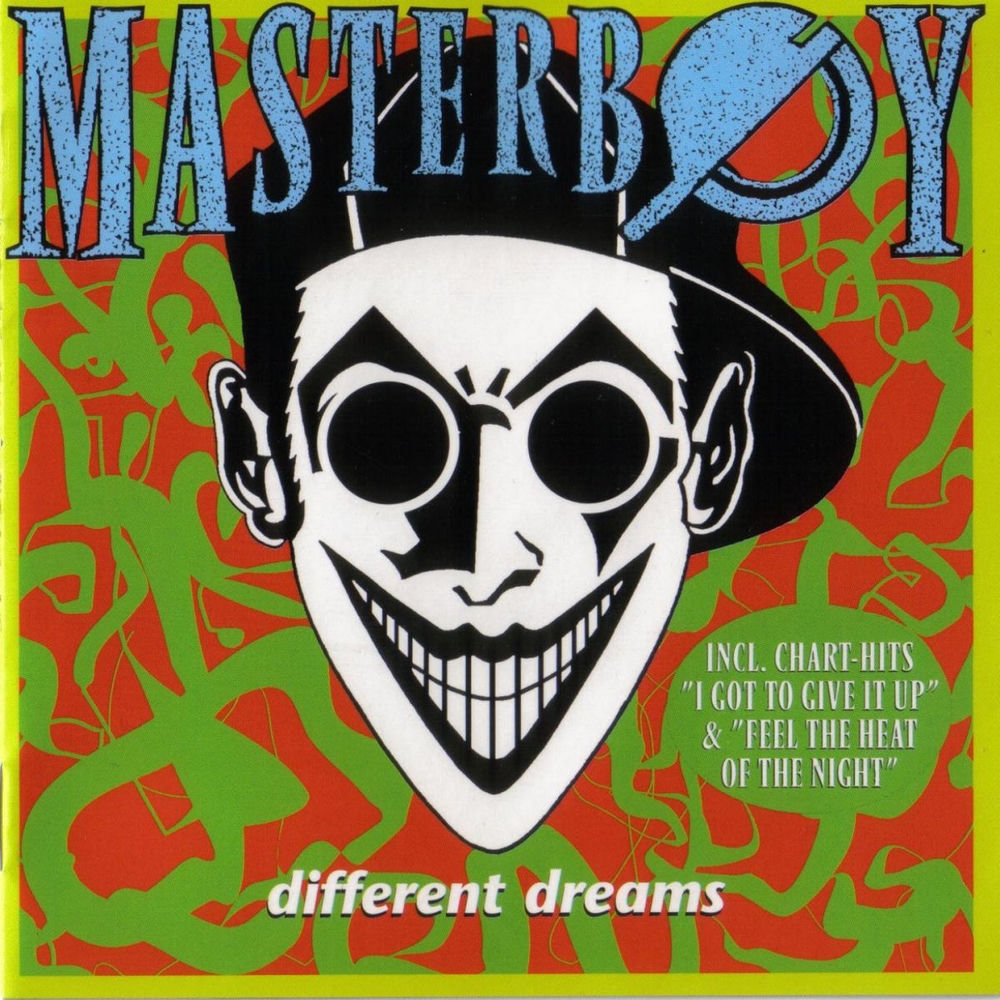
Masterboy delivers polished, romantic Eurodance with a big vocal and more mature pop production. The track has the confidence of a group that knew how to turn club energy into radio-sized drama. In Take 30 it works as a melodic anchor between the faster and more gimmick-driven moments. Its emotional directness gives the mix a stronger pop identity without slowing down the pace.
Chart peaks: DE #11
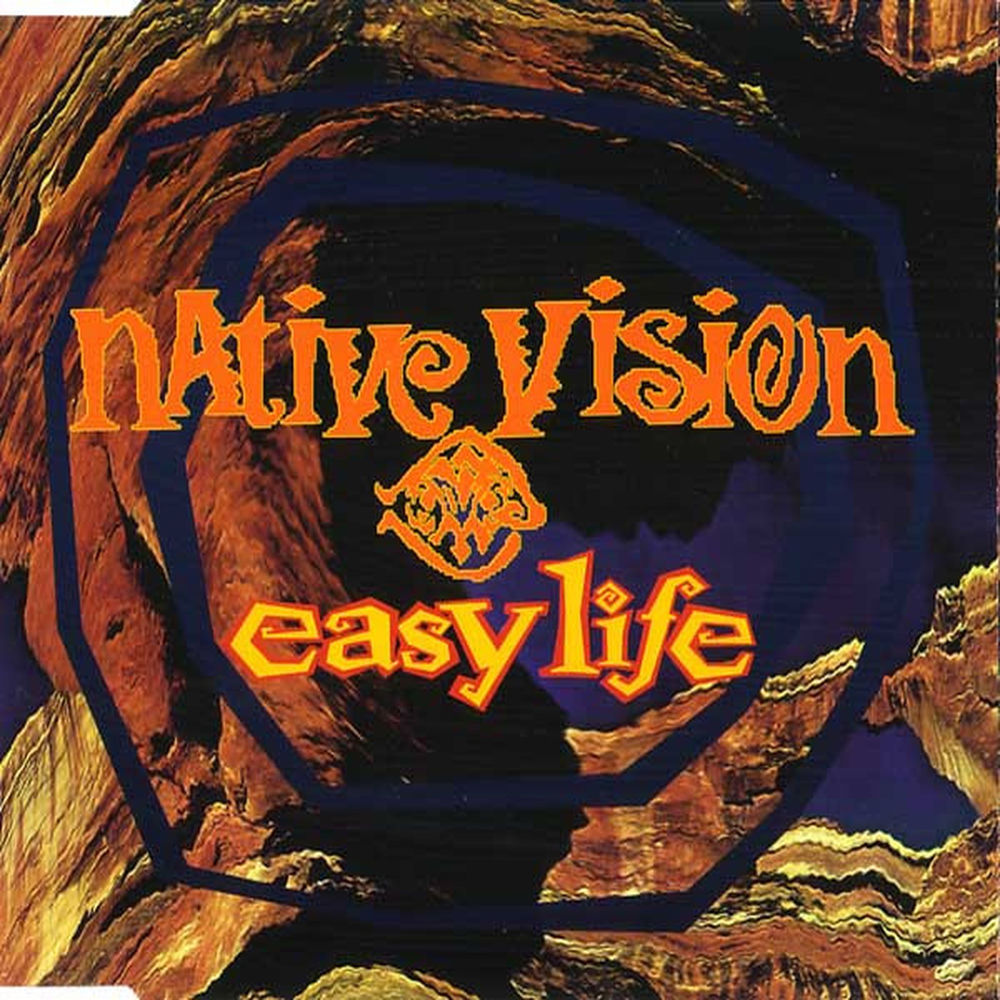
Light, positive Eurodance with a strong chorus, bringing sunshine into the middle of Take 30. The track is less hard than its neighbors, and that is exactly why it gives the mix air. Its easy-going hook and warm production create a brief feeling of release after more driven material. In a dense megamix, that kind of melodic openness is just as important as another high-impact drop.
Chart peaks: no documented DE/NL/SE/UK/DK peak found
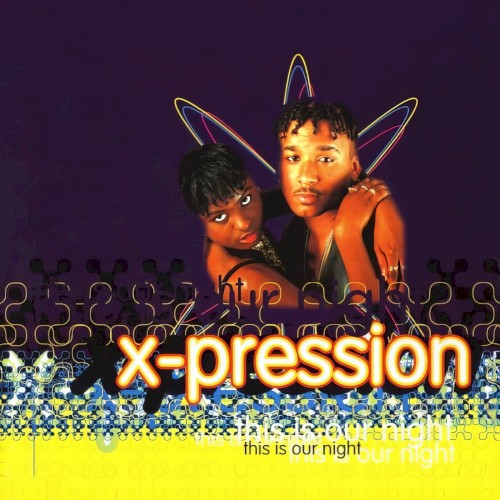
A short, effective burst of energy with a call-to-action hook and sharp 1994 production. X-Pression keeps Take 30 moving without demanding too much space, which is exactly what a compact megamix entry needs to do. The track's directness makes it feel like a transition with personality rather than filler. It adds drive, brightness, and a quick push toward the next vocal highlight.
Chart peaks: no documented DE/NL/SE/UK/DK peak found
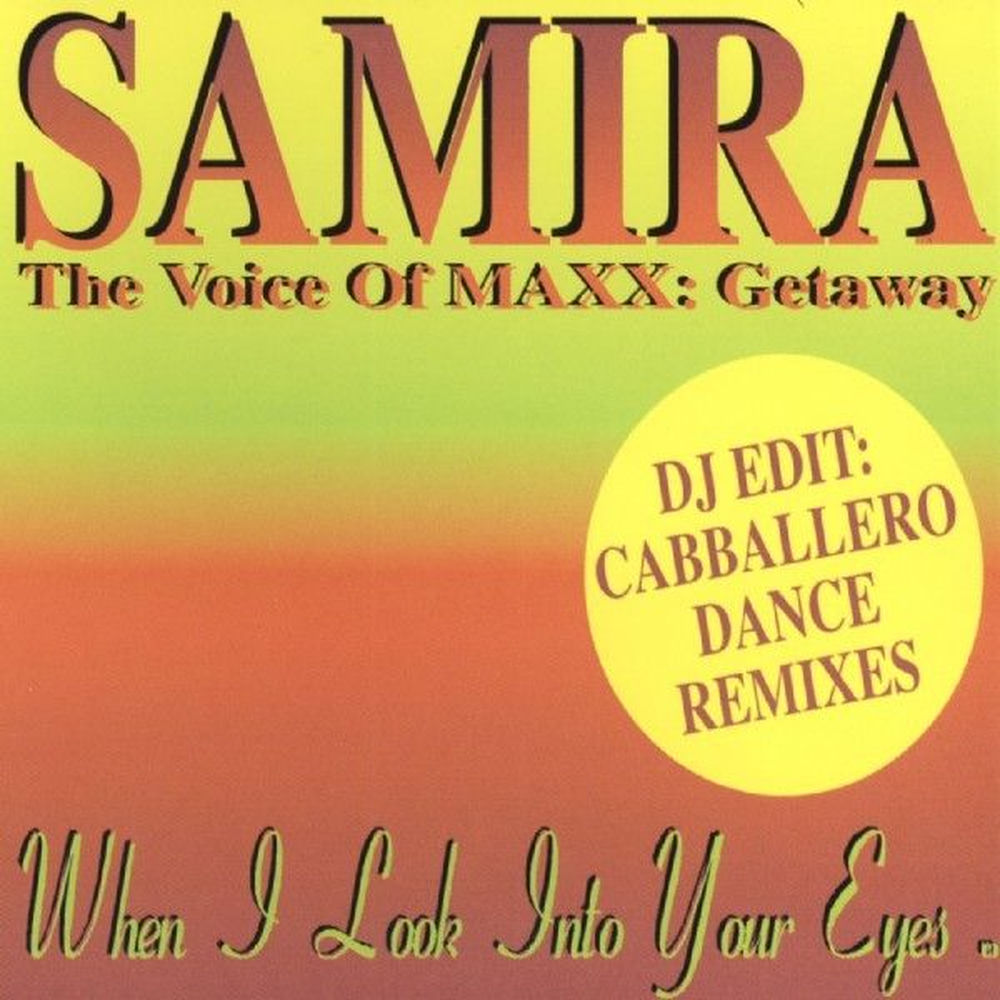
Samira pulls Take 30 toward the romantic side of Eurodance, using clear vocals, softer melody, and a chorus with a pop-ballad-like breath. The track is still firmly danceable, but its emotional language is warmer than the surrounding high-speed club material. In the mix it gives the listener a human focal point before the sequence moves on. That balance of softness and momentum is exactly what keeps the release from feeling one-dimensional.
Chart peaks: no documented DE/NL/SE/UK/DK peak found
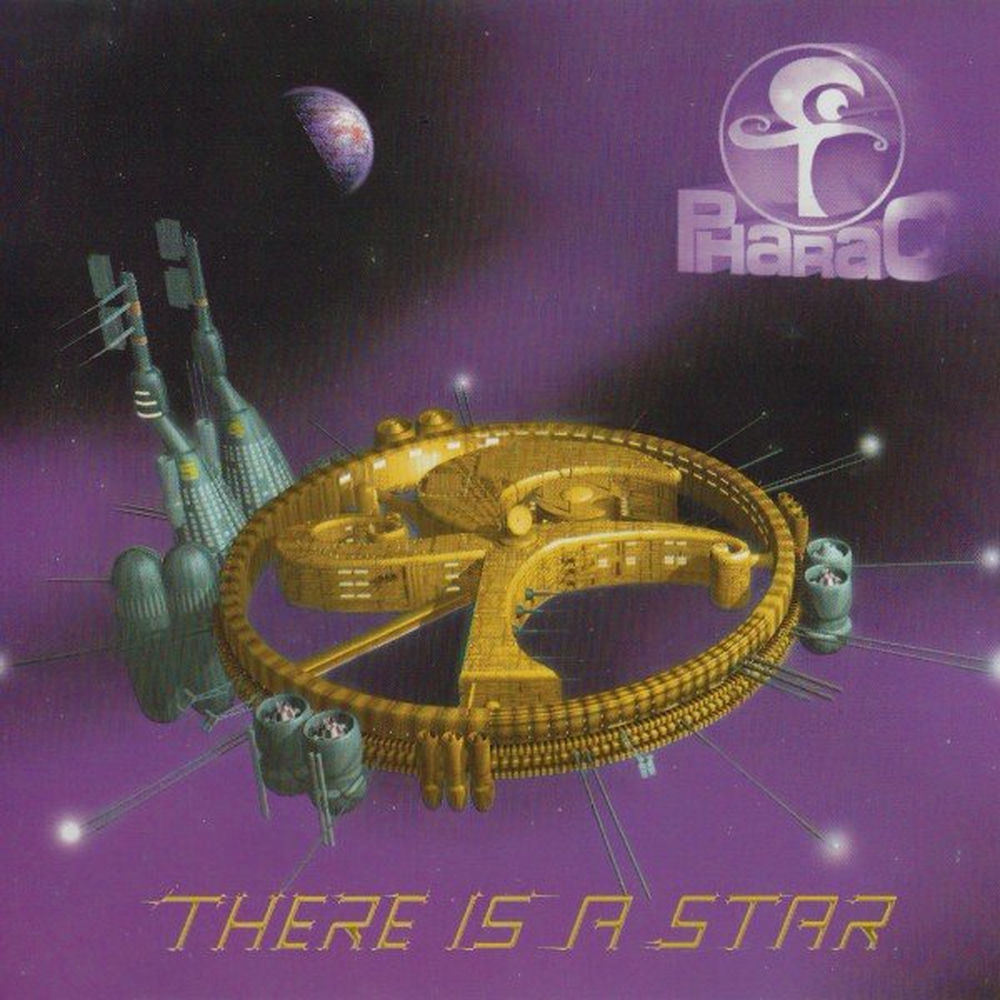
Pharao brings grand, Egyptian-colored Eurodance into Take 30 with mysterious synth figures and a chorus built for both dark club rooms and VIVA rotation. The track has a theatrical quality, turning its ancient-mystery atmosphere into something polished and immediately danceable. Its production is dramatic without losing the clean pop structure that keeps it accessible. In the mix it adds a darker shade to the release's otherwise bright Eurodance palette.
Chart peaks: DE #8 · NL #37 · SE #14 · UK #43
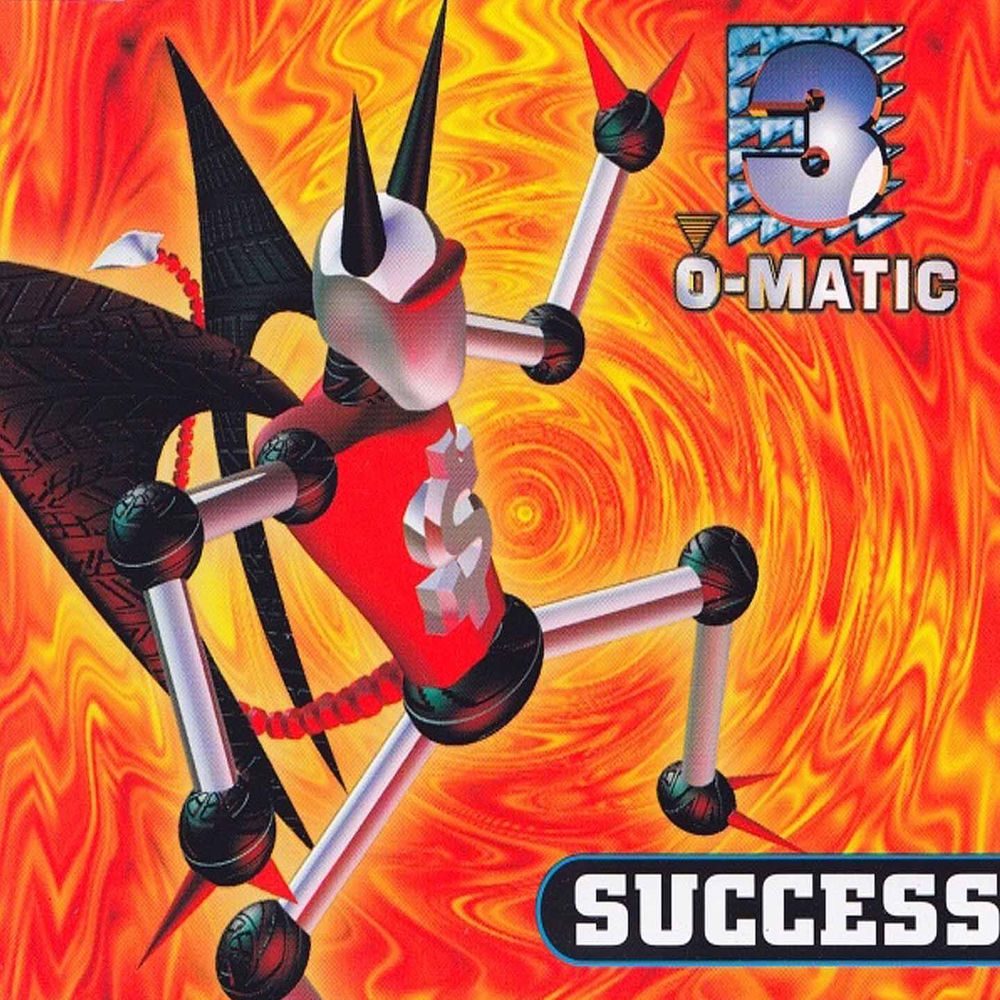
Tight German Eurodance with a slogan-like hook, clipped vocals, and a direct sense of forward motion. The track is less dreamy than many of the surrounding cuts, leaning instead on machine-like rhythm and sharp pop discipline. In Take 30 it works as an effective midpoint where melody rides on hard, functional beats. Its clean structure makes the transition feel quick and confident without losing the larger party mood.
Chart peaks: DE #24
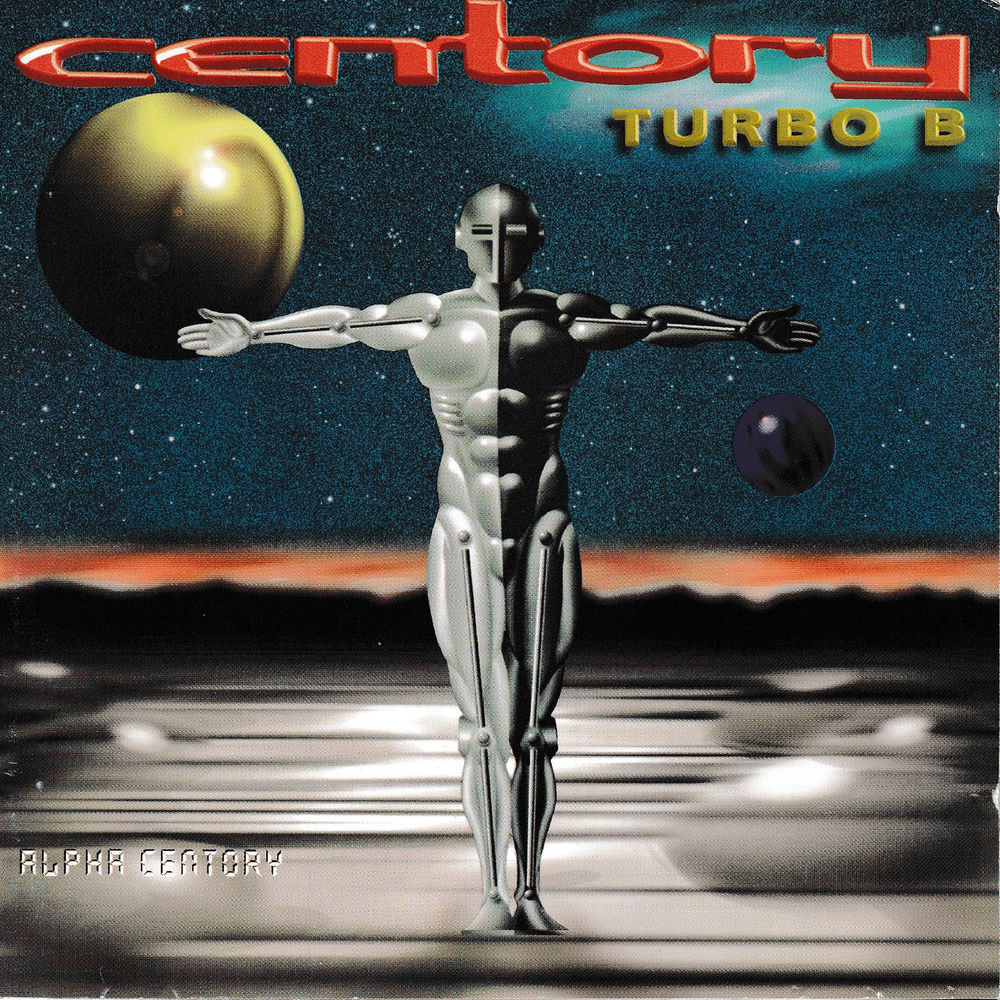
Centory turns up the pressure with Turbo B.-style rap energy, sharp synth stabs, and a chorus built for large rooms. The track has a muscular Eurodance profile, pushing harder than the more romantic material elsewhere in Take 30. Its rhythm section feels physical and urgent, giving the mix a burst of peak-time force. As a short megamix entry, it lands quickly but leaves a strong impression.
Chart peaks: DE #22

Pure mid-90s pop dance with a simple title hook, glossy production, and a rhythm that never sits still. DJ Company aim for immediacy here, using bright vocals and uncomplicated momentum rather than heavy rave drama. In Take 30 it keeps the sequence warm, accessible, and radio-friendly. The track also helps balance the harder cuts by reminding the listener how much of Eurodance was built on direct pop pleasure.
Chart peaks: no documented DE/NL/SE/UK/DK peak found
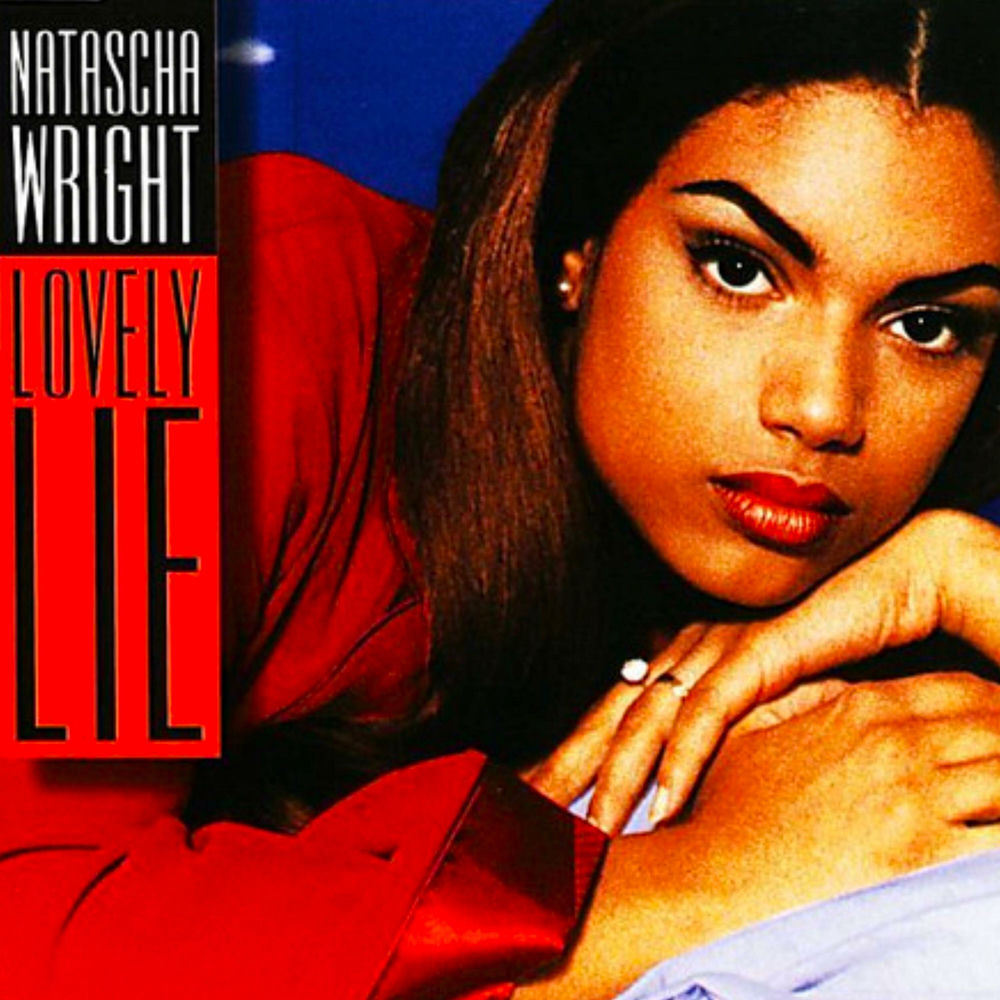
Natascha Wright gives Take 30 a more elegant, vocal-led moment, carried by a bittersweet melody and polished production. The track feels slightly more sophisticated than the surrounding party cuts, with emotion placed at the center rather than just on top of the beat. In the mix it cuts through with enough melancholy to feel larger than another quick club hook. That makes it one of the more human-sounding moments in the sequence.
Chart peaks: no documented DE/NL/SE/UK/DK peak found
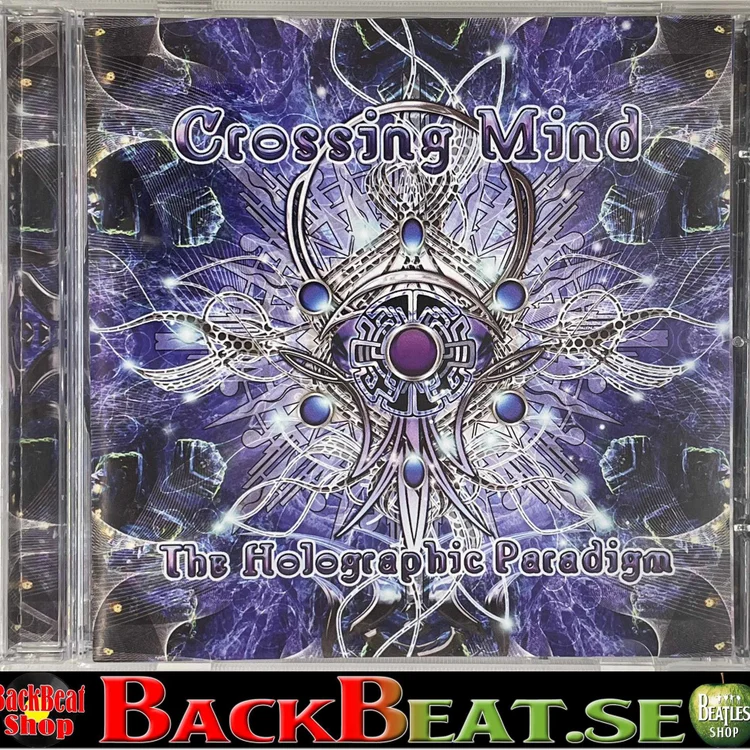
Airy, melodic Eurodance with an almost weightless synth line and a vocal hook that reaches upward rather than pushing hard. The track gives Take 30 a cleaner, brighter surface after the denser club material around it. Its charm is in the lightness: simple, optimistic, and easy to absorb inside a fast megamix. That brief lift helps the sequence breathe before the heavier rhythms return.
Chart peaks: no documented DE/NL/SE/UK/DK peak found
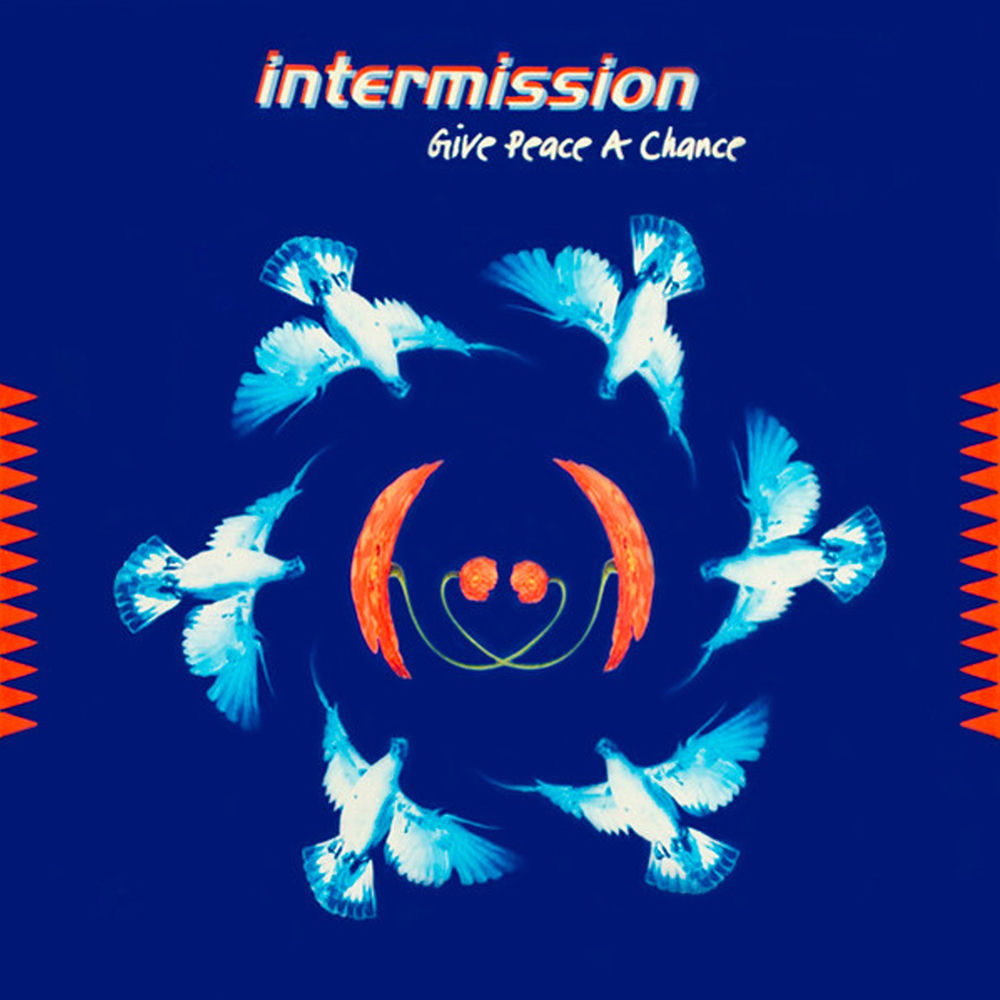
Intermission turns the peace anthem into a bright Eurodance moment with hands-in-the-air appeal. The track is shamelessly poppy, using a familiar message and uplifting production to create instant recognition. In Take 30 it works as a short optimistic lift, cutting through the harder and more dramatic tracks around it. Its charm lies in how directly it aims for communal release rather than subtlety.
Chart peaks: DE #29
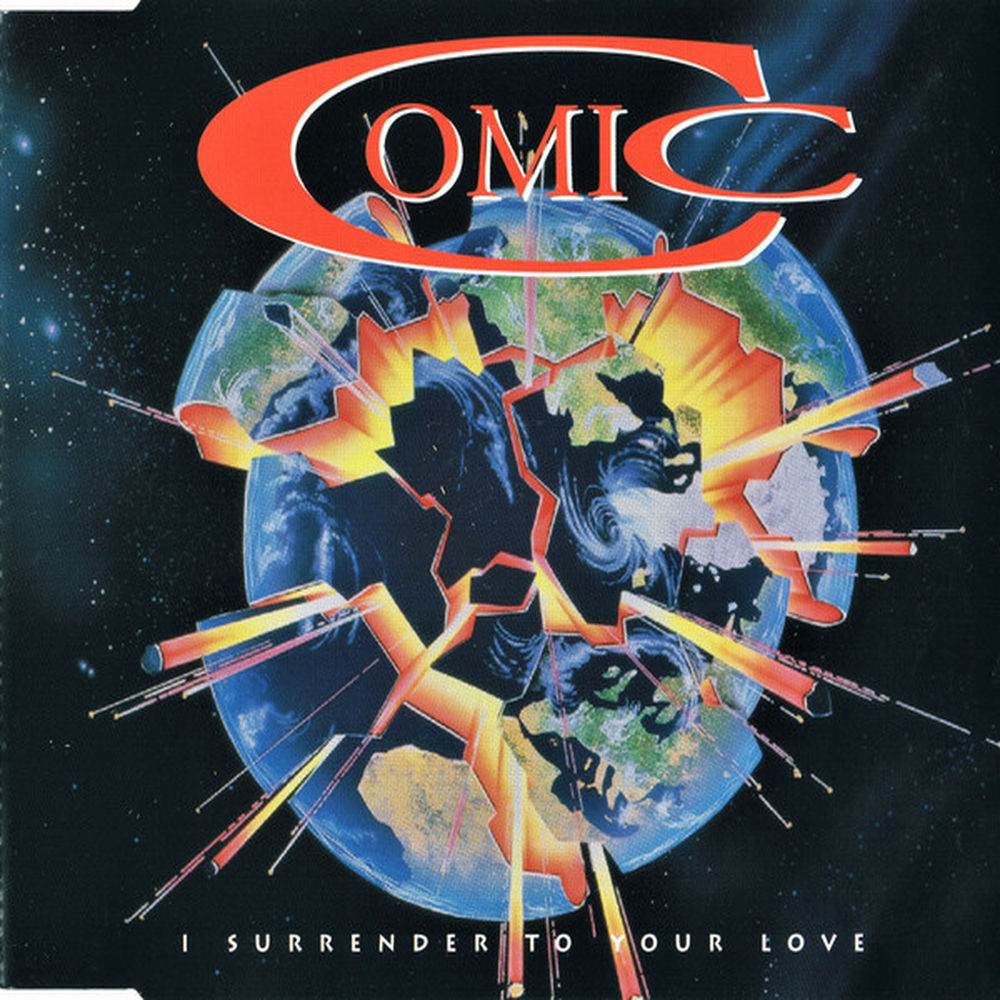
A more sentimental side of DD30, where love-ballad emotion is translated into a club-ready Eurodance shape. The vocal mood is softer and more vulnerable than the harder rave and techno sections surrounding it. That contrast gives the mix a useful emotional pause without dropping the tempo completely. It is pop-hearted dance music, polished enough for radio but still useful inside the nonstop sequence.
Chart peaks: no documented DE/NL/SE/UK/DK peak found
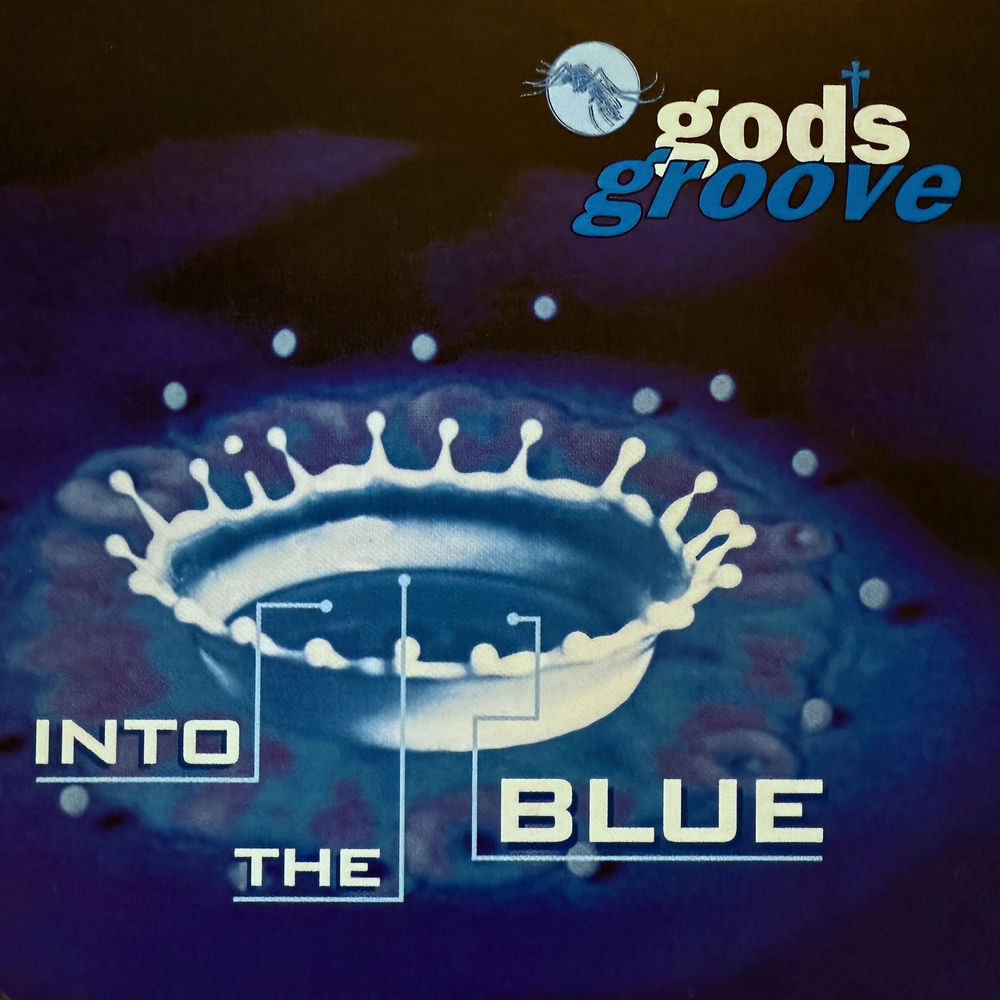
A beautiful blue-toned closer for Take 30, built around melodic trance, spiritual atmosphere, and a more reflective pull than the typical Eurodance finale. The track cools the temperature without losing the hypnotic movement of the mix. Its pads and vocal feel create a sense of depth after a run of brighter, more immediate pop-dance hooks. As a closing gesture, it gives Take 30 a surprisingly elegant fade into the harder material that follows.
Chart peaks: no documented DE/NL/SE/UK/DK peak found
Deep Hard IV pushes the series' harder edge to new heights, with Mark 'Oh's iconic "Tears Don't Lie" leading a relentless charge of rave, trance, and hard dance anthems. DJ Hooligan's "Rave Nation", Rodriguez's "Attacke (Remix)", and DJ Errik's "Burnin' Up" sustain a punishing club intensity from start to finish. This instalment is a defining document of mid-90s European rave culture, essential for fans of the harder end of the dance music spectrum.
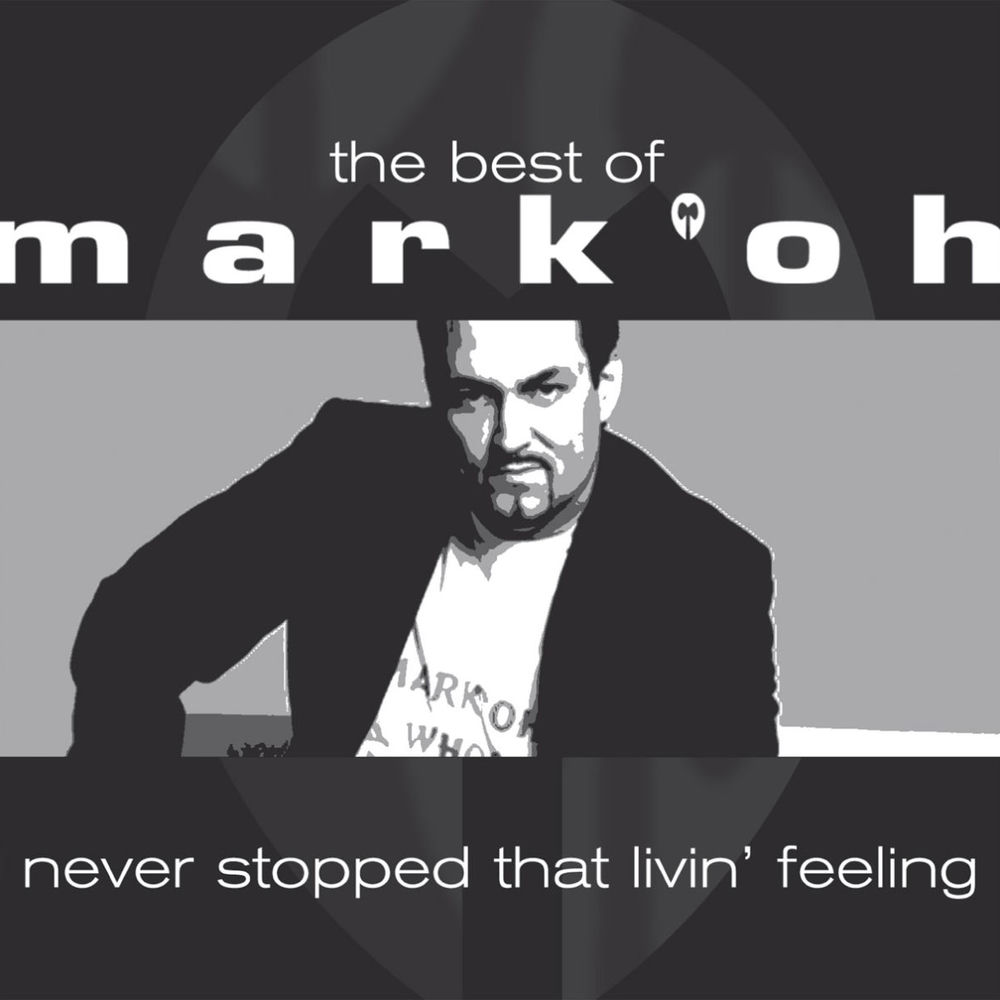
Mark 'Oh opens Deep Hard IV with emotional rave-pop and a melody that balances nostalgia with peak-time energy. The track still has a strong pop center, but the rhythm and synth pressure push it toward a harder club zone. That makes it a perfect pivot from Take 30's Eurodance gloss into the more forceful second megamix. Its mix placement gives the release a clear gear change without abandoning melody.
Chart peaks: DE #1 · NL #2 · SE #1 · UK #24 · DK #2
A sweaty rave cut with burning tempo, dry bass, and very little decorative softness. The track is all function: pressure, repetition, and forward drive. Inside Deep Hard IV it sharpens the mood and pulls the mix away from pop structure toward raw club utility. Its strength is exactly that directness, making it a quick but effective burst of heat.
Chart peaks: no documented DE/NL/SE/UK/DK peak found
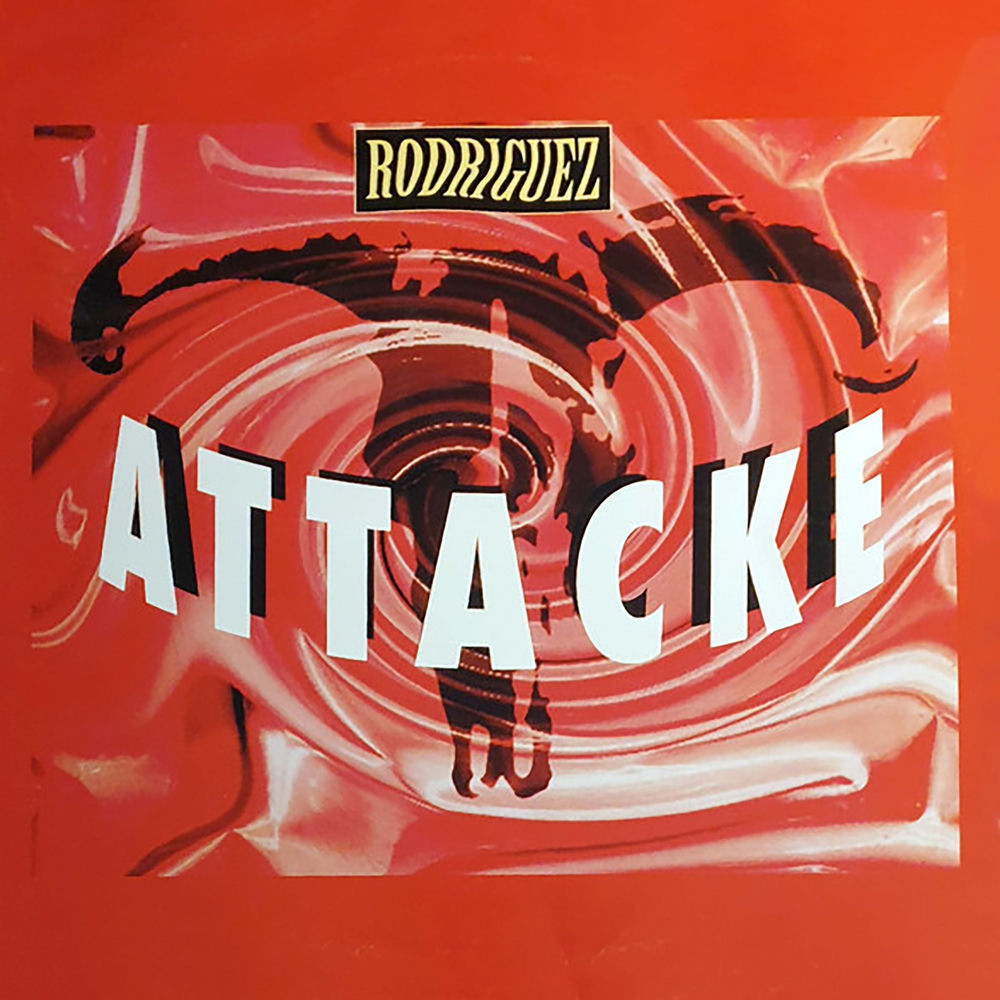
Attacke lives up to its title with militant rhythms, dark techno energy, and a remix approach that feels more like an assault than a song. The track strips away pop friendliness and replaces it with pressure, impact, and a combative sense of motion. In Deep Hard IV it is one of the most uncompromising moments, pushing the section into harder territory. Its role is not to charm but to intensify, and it does that very efficiently.
Chart peaks: no documented DE/NL/SE/UK/DK peak found
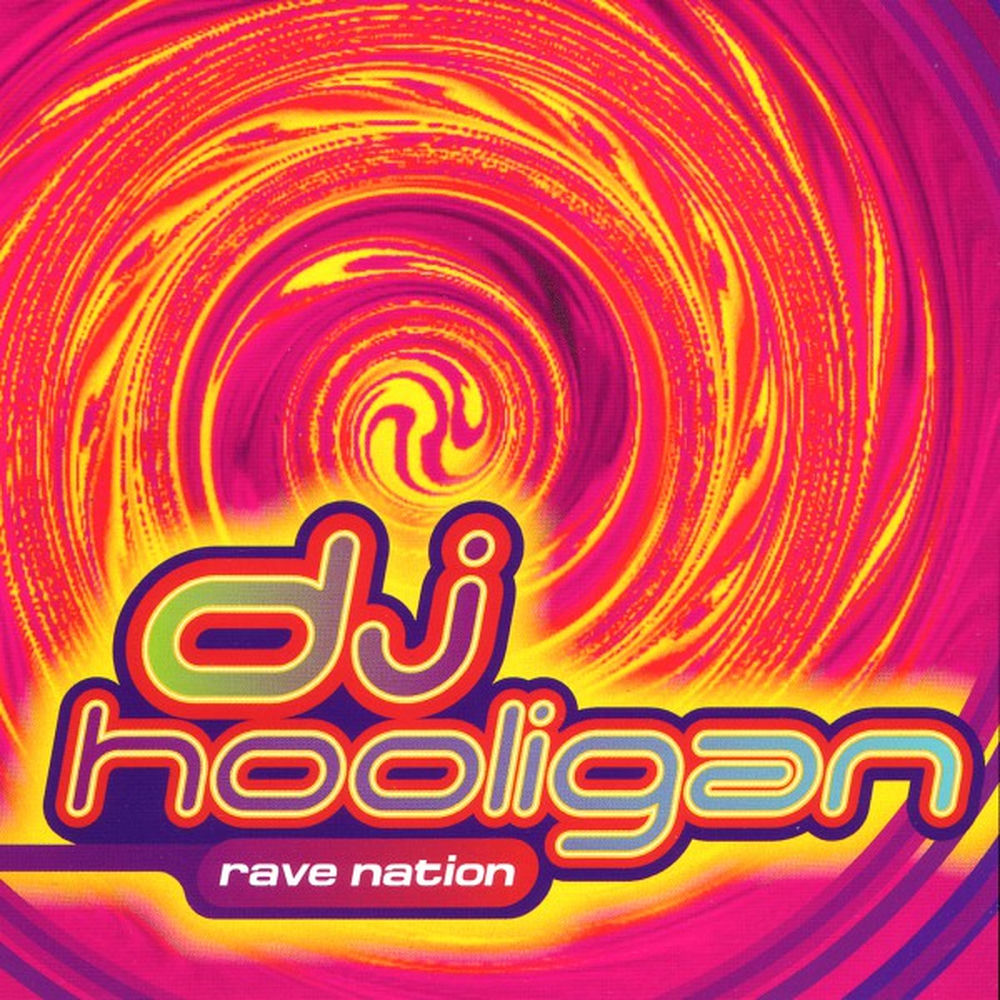
An anthem for rave community, driven by raw slogans, storming tempo, and big breakdowns. DJ Hooligan gives the section a collective shout, less polished than Eurodance and more rooted in warehouse intensity. On DD30 it marks the point where euphoria becomes more aggressive and physically demanding. The track's simplicity is part of its power, turning the mix into a chant rather than a song for a moment.
Chart peaks: DE #16
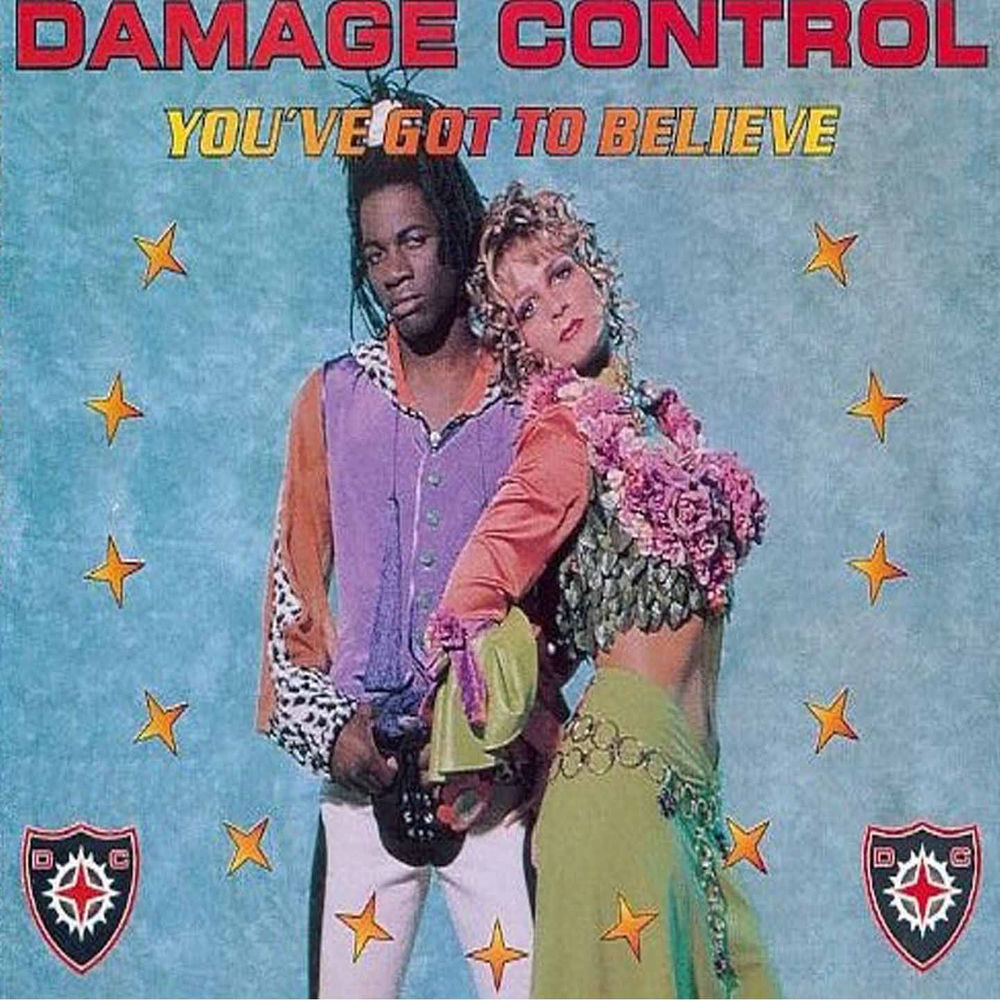
The remix pushes the song's melodic core into a harder rave format, tightening the drums and darkening the synth pressure. It still carries a recognizable hook, but the surrounding production is more about impact than gloss. In DD30 it works as a natural bridge between Eurodance accessibility and Deep Hard IV's more brutal pulse. The result is compact, tense, and built for quick acceleration inside the mix.
Chart peaks: no documented DE/NL/SE/UK/DK peak found
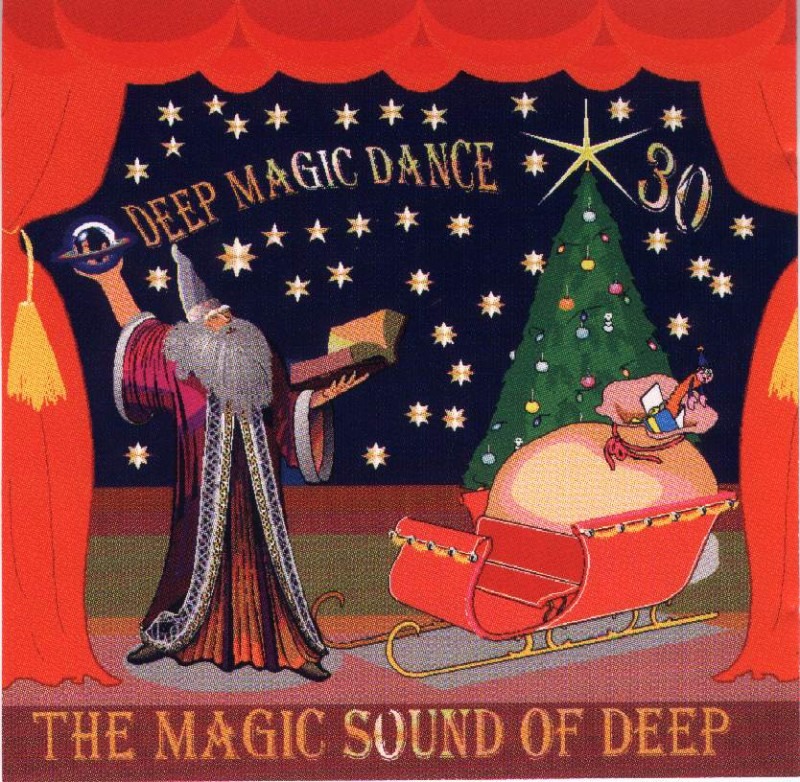
A simple, effective rave tool with a star motif, hard pulse, and very little decoration. The track is built for movement rather than storytelling, using repetition and pressure to keep the floor locked in. In Deep Hard IV it keeps the energy high and gives the mix a rawer underground edge. Its directness makes it a useful contrast to the more melodic trance and rave-pop entries nearby.
Chart peaks: no documented DE/NL/SE/UK/DK peak found
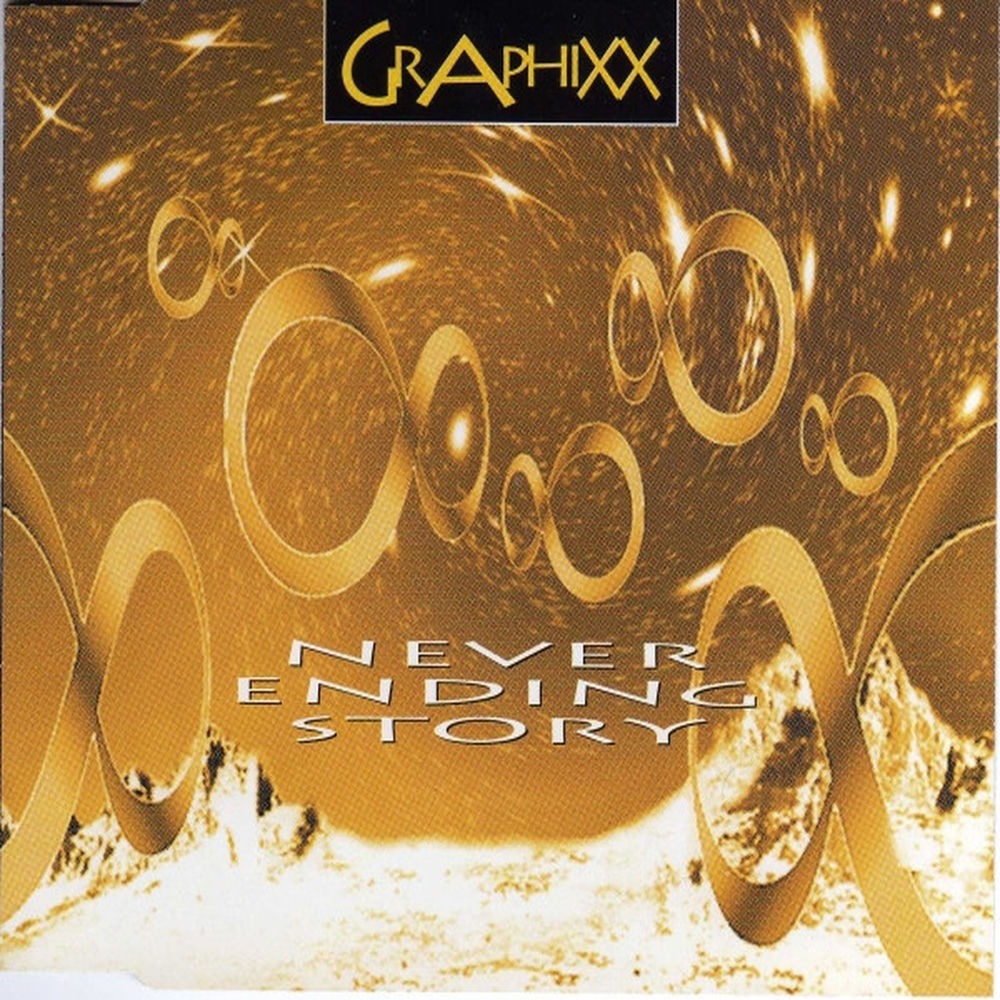
A nostalgic melody theme pushed through the hard trance machine, turning familiar pop emotion into club pressure. The track is both recognizable and tough, which makes it stand out inside Deep Hard IV's harder sequence. Its appeal comes from the tension between childhood-memory melody and rave-floor impact. In the mix it feels like pop culture wearing rave boots, loud enough to survive the surrounding intensity.
Chart peaks: no documented DE/NL/SE/UK/DK peak found
A dark signal from the industrial end of the rave spectrum, built from hard impacts, electronic alarms, and a remix shape focused on tension. The track is more mechanical than melodic, giving Deep Hard IV a colder and more severe texture. In the sequence it feels like warning lights flashing between the more anthem-like cuts. That tension-building role makes it a strong piece of connective tissue inside the harder megamix.
Chart peaks: no documented DE/NL/SE/UK/DK peak found
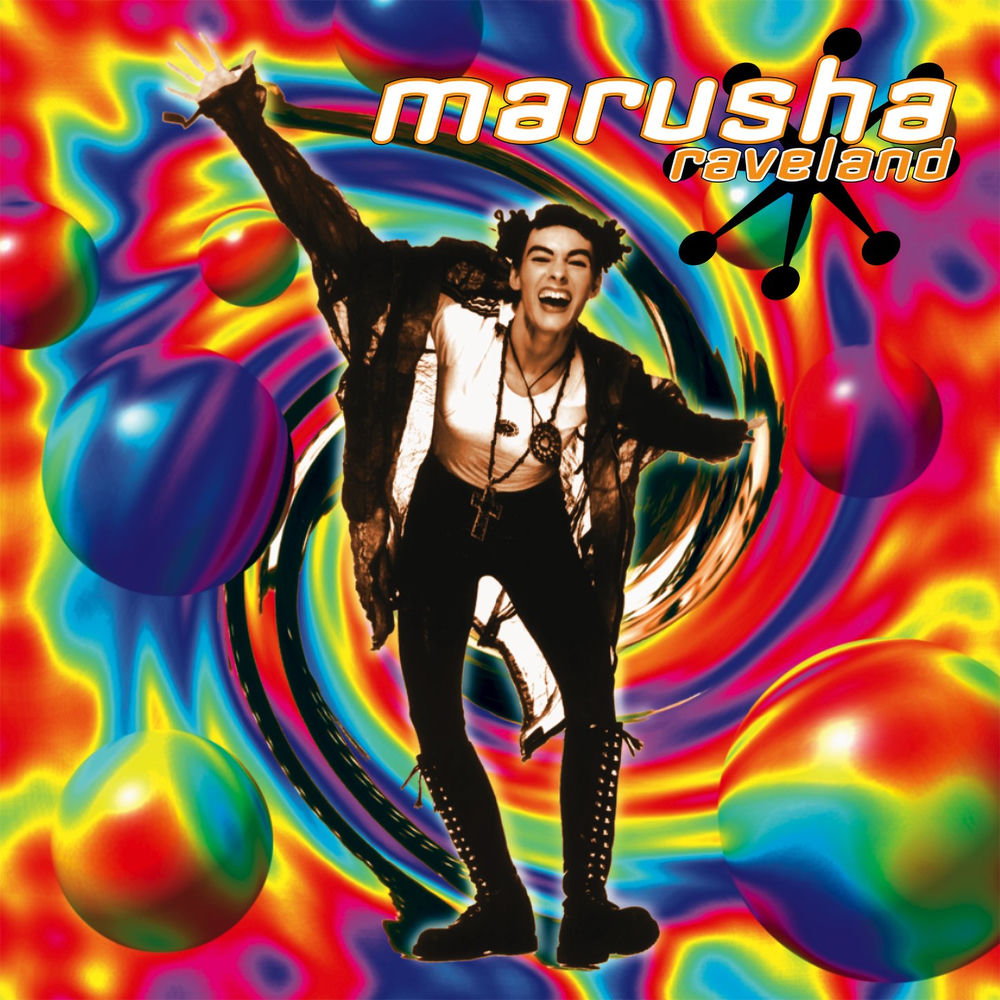
Marusha pulls the mix into a German rave universe with sharper edges, faster pressure, and more uncompromising trance energy. The remix feels harder and more tunnel-focused than the Eurodance tracks in Take 30. Its sound points toward the mid-90s rave scene where melody and intensity were pushed into a more extreme balance. In DD30 it helps define Deep Hard IV as a genuine shift in atmosphere, not just a louder continuation.
Chart peaks: DE #29 · NL #30 · SE #18
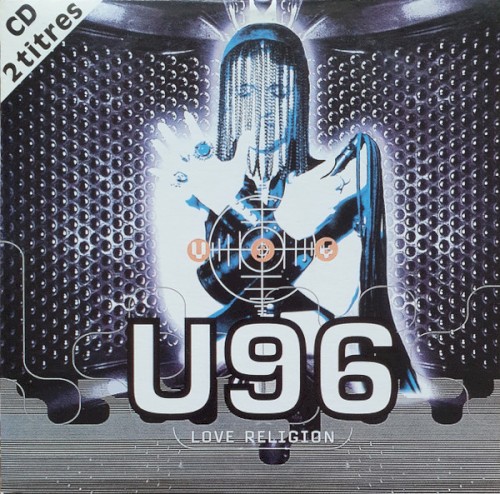
U 96 unfolds love as dark, synthetic trance-pop with a large European club sound. The track has a more anthem-like shape than the rougher rave cuts around it, using mood and scale as much as speed. In Deep Hard IV it gives the sequence a lift without softening the overall pressure too much. Its combination of severity and melody makes it one of the section's more balanced moments.
Chart peaks: DE #5 · NL #9 · SE #2 · UK #134 · DK #9

Deep Hard IV gets a more spacious ending here, built from floating trance pads, melancholic melody, and a calm sense of distance. After the harder material, the track feels like the mix opening a window and letting the pressure escape. Its cosmic tone gives the ending a reflective pull rather than another blunt impact. That makes it a graceful landing point for a section otherwise driven by speed and force.
Chart peaks: no documented DE/NL/SE/UK/DK peak found
Bonus Dreck is a compact bonus mix from the Deep Dance universe, featuring Whigfield's massive "Saturday Night (Remix)", DJ Professor's club-ready "Rocking Me", and Ice MC's follow-up hit "Think About The Way II". Short but punchy, it captures some of the biggest floor-fillers of the mid-90s in a concise, no-fuss format. A fun addendum to the main series for dedicated Deep Dance fans.
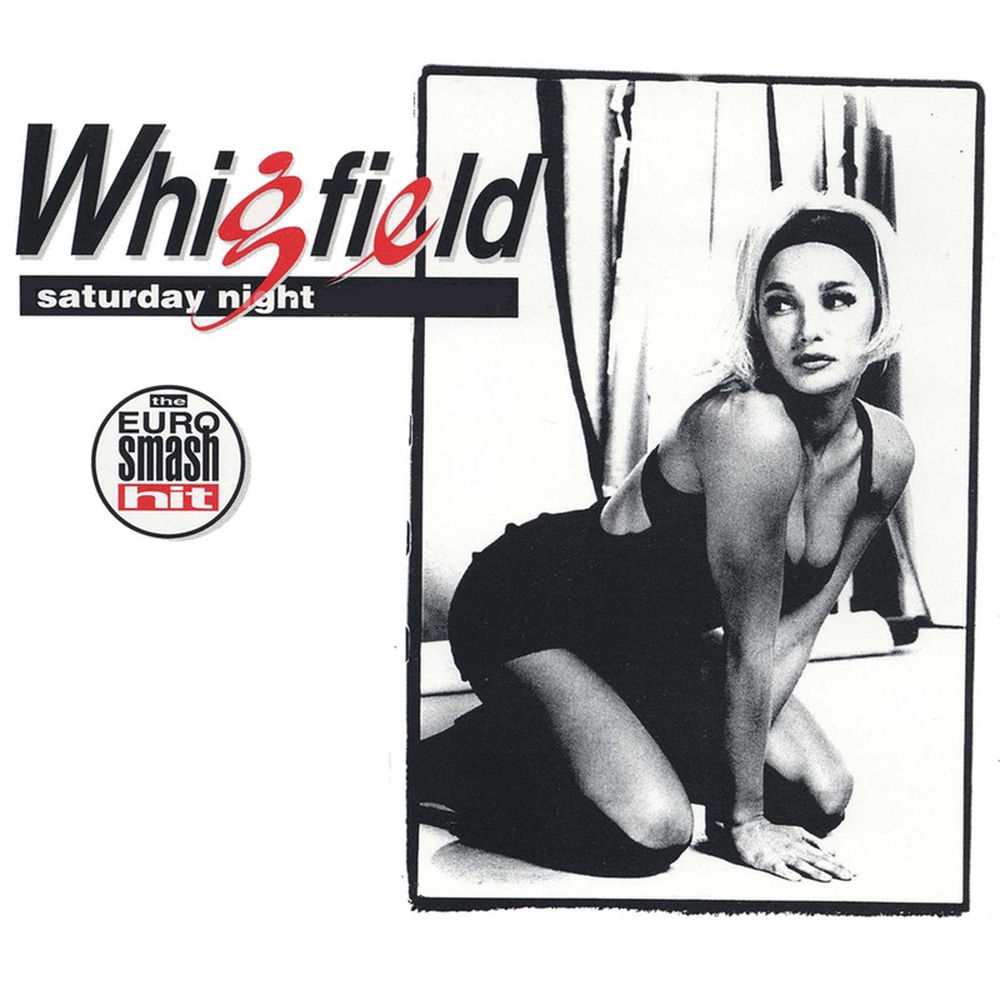
Whigfield's signature hit is used in the bonus mix for instant recognition, bringing handclaps, simple choreography, and bubbling Euro-pop charm. The remix format tightens the track into DD30's nonstop logic while keeping the hook completely intact. Its presence is playful but also historically right, because few 1994 dance hits were more immediate. In the bonus section it acts like a bright flash of shared memory.
Chart peaks: DE #1 · NL #7 · SE #9 · UK #1 · DK #2

DJ Professor brings a more playful, sample-driven energy to the bonus mix, using groove and attitude more than big emotional drama. The track feels compact and slightly cheeky, a quick change of flavor between more obvious Eurodance names. Its club funk gives the bonus section a looser swing before the sequence tightens again. In DD30 it works best as a short injection of character and movement.
Chart peaks: no documented DE/NL/SE/UK/DK peak found
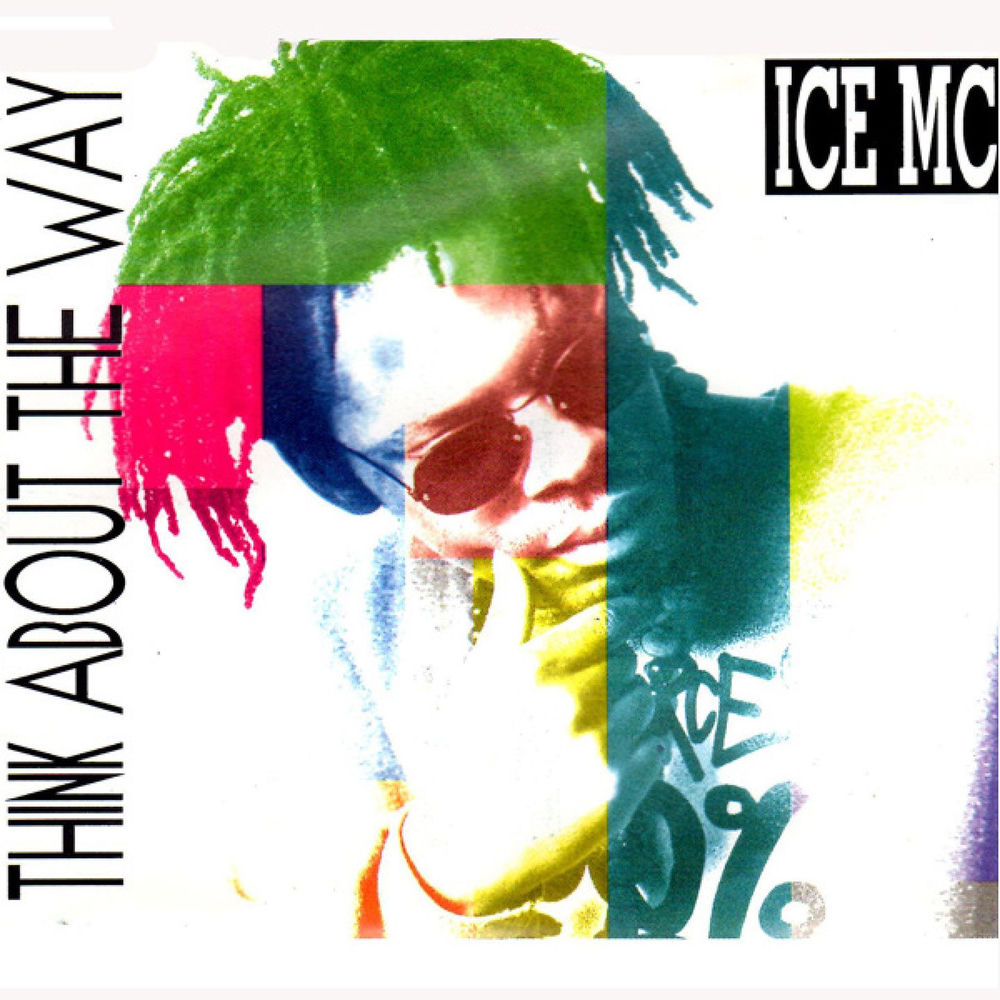
Ice MC's reggae-colored Eurodance signature appears in the bonus section as a recognizable echo of 1994's big crossover sound. The combination of rap, ragga phrasing, and bright club beats gives the track instant period character. In DD30 it works almost like a callback, reminding the listener how dominant this sound was across European dance floors. Its short placement keeps the energy moving while still landing as a familiar highlight.
Chart peaks: no documented DE/NL/SE/UK/DK peak found
A warm and melodic bonus track where the emotional title hook creates a short breather inside the compact bonus section. The production is softer than much of DD30, but the pulse still keeps it clearly club-oriented. Its value in the sequence is contrast: a little openness, a little heart, and a momentary easing of pressure. That makes the track feel modest but useful, especially between more forceful rave gestures.
Chart peaks: no documented DE/NL/SE/UK/DK peak found
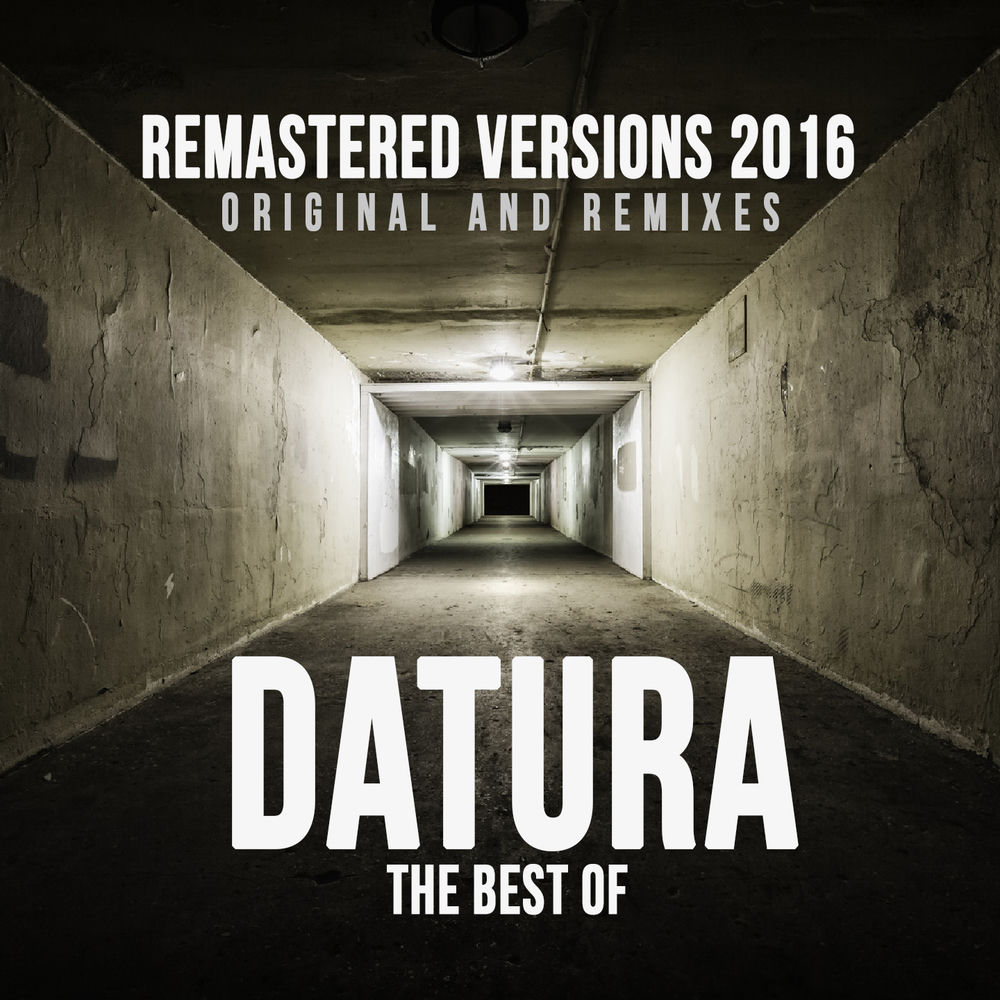
Datura closes the bonus section with Italian rave theatre, full of psychedelic signals, dark trance colors, and dramatic club energy. The track feels more cinematic than functional, as if the dancefloor has briefly turned into a hallucinated stage. Its atmosphere is darker and stranger than most of the Eurodance material in DD30. As a finale for the bonus section, it leaves a trippy afterimage rather than a simple pop hook.
Chart peaks: no documented DE/NL/SE/UK/DK peak found
Deep Dance 30 marks a milestone in the series — the thirtieth entry in DJ Deep's long-running megamix franchise — and it arrives with all the confidence of a project at the height of its powers. Released in 1995, it captures a moment when Eurodance was beginning to diversify and evolve, with more sophisticated production values and melodic influences finding their way into the genre's signature sound. The release opens with a satirical intro by German comedian Oliver Kalkofe, a knowing wink to the genre's pop-culture ubiquity that sets the tone for a self-assured and wide-ranging selection. Masterboy, Pharao, Centory, 2 Brothers On The 4th Floor, and God's Groove all feature prominently, representing the best of the melodic, hook-driven Eurodance that defined the mid-90s sound and dominated clubs and radio across Europe. By 1995 the genre had reached into every corner of European pop culture, and Deep Dance 30 reflects that breadth with a mix that moves effortlessly between harder club tracks and radio-friendly anthems without ever losing the dancefloor focus that made the series great. DJ Deep's mixing is as assured as ever, maintaining the non-stop energy that had made the Deep Dance series a fixture in record shops and DJ boxes alike for over five years. A fitting celebration of thirty volumes and a compelling snapshot of a genre that was about to face its first real commercial challenges from new sounds emerging from the UK and the United States.