This mix is a vibrant celebration of late 80s and early 90s house music, blending soulful vocals, jacking beats, and acid energy into a cohesive journey. It begins with smooth, vocal-driven tracks like Chanelle's "One Man" and Adeva's "Respect," setting a soulful tone before diving into high-energy anthems like Hithouse's "Jack To The Sound Of The Underground" and Inner City's "Ain't Nobody Better." These tracks showcase the era's rich interplay of disco-inspired grooves and early electronic innovation.
Midway, the mix explores deeper emotional and social themes, with standout tracks like Raze's sensual "Break For Love" and Coldcut's unifying "People Hold On." A playful turn emerges through ska and hip-hop influences, such as Longsy D’s "This Is Ska" and 2 Live Crew's "Yakety Yak," adding variety without breaking the flow. The final stretch turns up the intensity, transitioning to acid house gems like Maurice Joshua's "This Is Acid" and Tyree's "Turn Up The Bass," closing on a high-energy, bass-heavy note.
Overall, the mix captures the essence of house music’s golden age, blending soulful classics, playful interludes, and pulsating acid beats for a dynamic and uplifting experience.
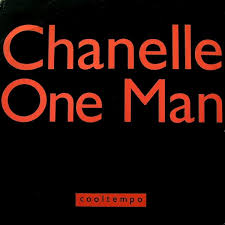
Chanelle's One Man (1989) is a house music classic blending soulful vocals with a vibrant, danceable beat. As a hallmark of the late '80s house scene, the track incorporates deep house and vocal house elements. It peaked at #16 on the UK Singles Chart and #15 in Ireland, earning its place as a staple in dance music history.
Chart peaks: UK #16
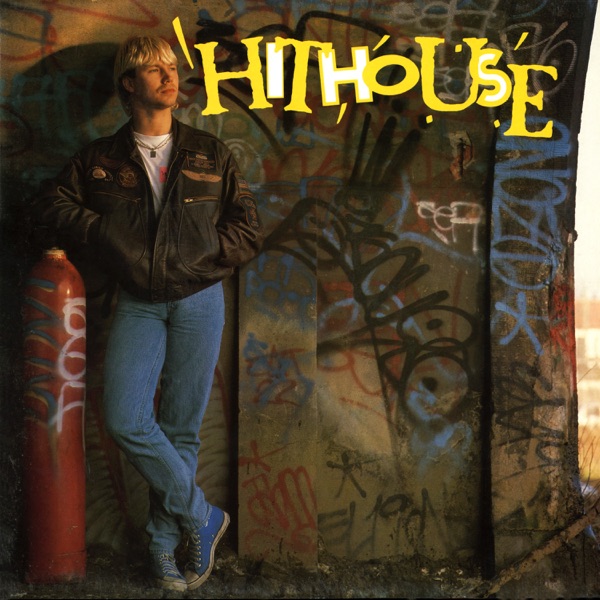
Hithouse's Jack To The Sound Of The Underground from 1989 brings house, acid house energy into the Deep Dance 001 + 002 tracklist. In the mix it works as a compact snapshot of late-80s club culture, connecting radio hooks, dancefloor rhythm and the fast-cut megamix style that shaped the early Deep Dance sound.
Chart peaks: DE #6 · NL #18 · UK #14
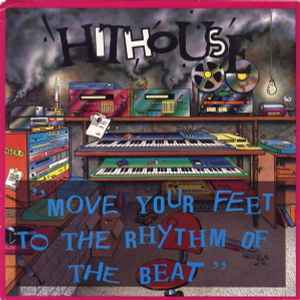
Hithouse's Move Your Feet to the Rhythm of the Beat (1989) is a dynamic fusion of house and acid house, produced by Dutch artist Peter Slaghuis. Following the success of Jack to the Sound of the Underground, this track features energetic beats and innovative sampling, exemplifying late '80s electronic dance music. It achieved notable success in European clubs, reinforcing Slaghuis's influence in the house music scene.
Chart peaks: DE #26 · NL #24 · UK #69
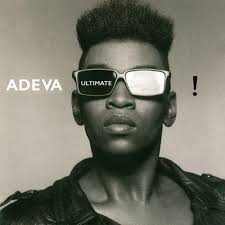
Adeva's Respect (1988), a house reinterpretation of Otis Redding's classic, is a standout from her debut album Adeva!. Featuring her commanding vocals and a modern house twist, the track reached #17 on the UK Singles Chart and helped propel the album to platinum status in the UK.
Chart peaks: NL #21 · UK #17
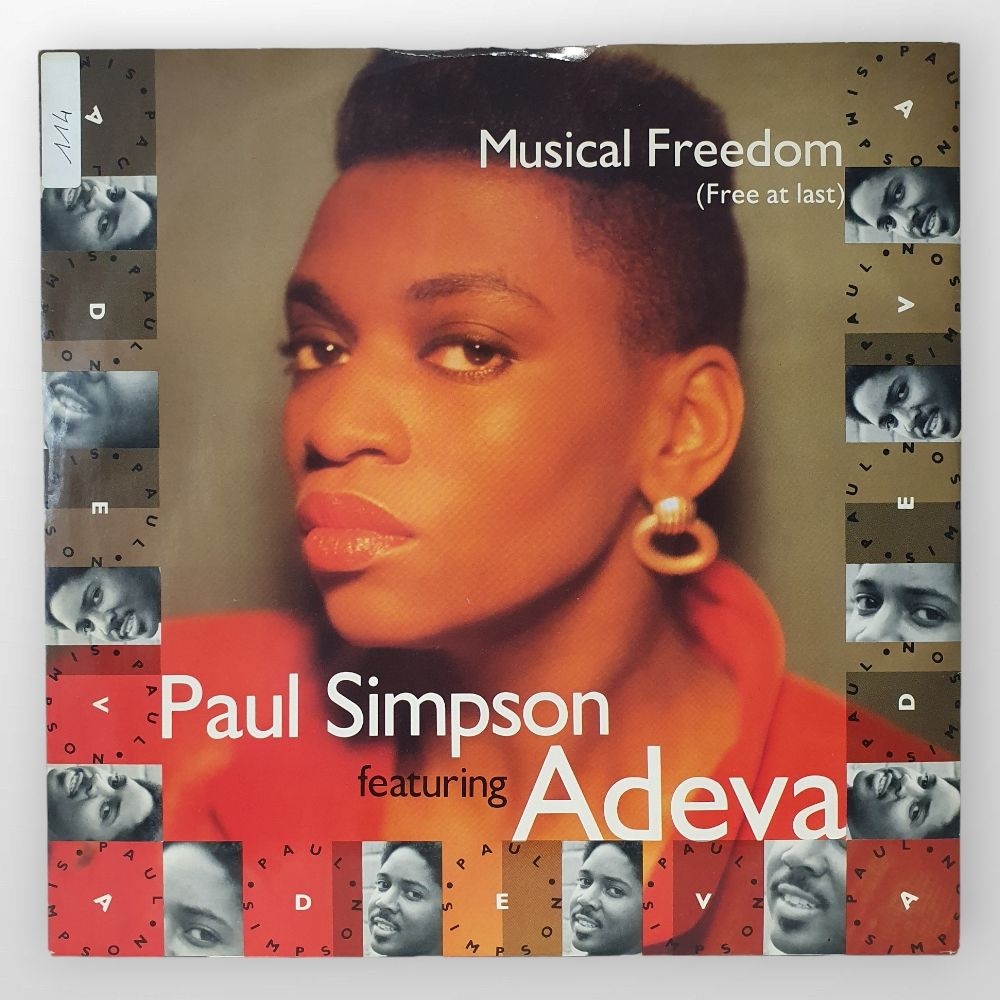
Paul Simpson's Musical Freedom (Free At Last) (1988) is a seminal house track featuring powerful vocals by Adeva. The song blends deep house and garage house elements, underscored by a sample from Toney Lee's "Reach Up." Its uplifting message and infectious rhythm made it a standout in the late '80s dance scene.
Chart peaks: NL #43 · UK #22
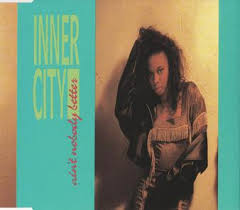
Inner City's Ain't Nobody Better (1989) is a house track from their debut album, Paradise. Written by Kevin Saunderson and Shanna Jackson (Paris Grey), the song features mesmerizing synths and clinical beats beneath Grey's vocals. It became the group's third consecutive number one on the U.S. Billboard Dance Club Songs chart and reached the top 10 in the UK, Finland, and Switzerland.
Chart peaks: DE #21 · UK #10
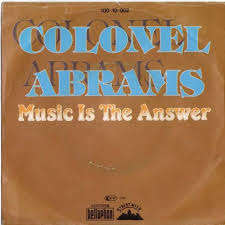
Colonel Abrams' Music Is the Answer (1984) is a seminal track that blends disco and garage house elements, highlighting Abrams' soulful vocals and rhythmic grooves. Released on Streetwise Records, it contributed to the burgeoning house music scene of the early '80s.
Chart peaks: UK #84
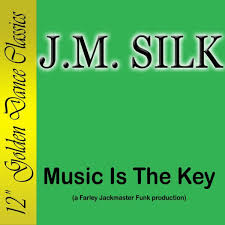
J.M. Silk's Music Is the Key (1985) is a landmark Chicago house track by Steve "Silk" Hurley and vocalist Keith Nunnally. Released as the first single on D.J. International Records, it embodies the essence of early house music with its soulful vocals and infectious beats. The track reached #9 on the U.S. Dance chart, cementing its place in house music history.
Chart peaks: no documented DE/NL/SE/UK/DK peak found
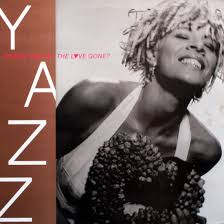
Yazz's Where Has All the Love Gone? (1988) is a pop-dance track from her debut album Wanted. The song delivers a powerful message about compassion and social awareness. Peaking at #16 on the UK Singles Chart, it contributed to the album's double platinum success.
Chart peaks: DE #40 · NL #86 · UK #16

Coldcut's People Hold On (1989), featuring Lisa Stansfield, is a house and dance classic. With Stansfield's soulful vocals and Coldcut's slick production, the track became a major hit, peaking at #11 on the UK Singles Chart and #6 on the U.S. Dance Club Songs chart, cementing its place in late '80s dance music.
Chart peaks: DE #24 · NL #37 · UK #11
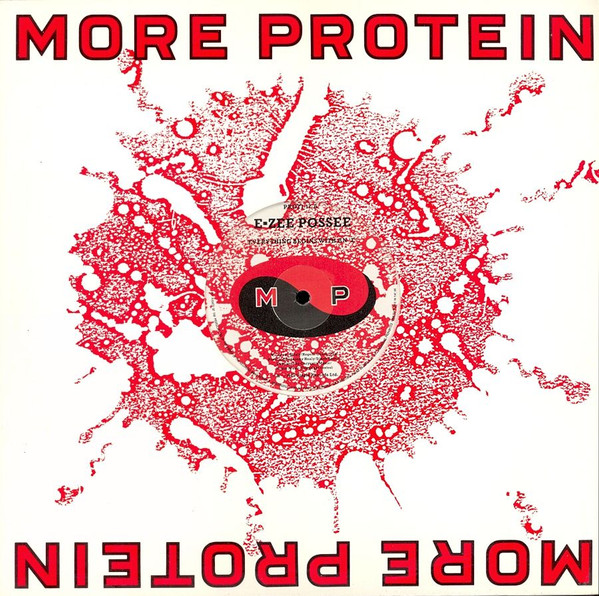
E-Zee Possee's Everything Starts with an 'E' (1989) is a defining acid house track featuring vocals by MC Kinky. The song's title is a nod to the rave culture of the era, referencing Ecstasy (MDMA) and becoming an anthem for the late '80s acid house movement. Initially peaking at #69 on the UK Singles Chart, a 1990 re-release saw it climb to #15, staying on the charts for eight weeks.
Chart peaks: UK #15
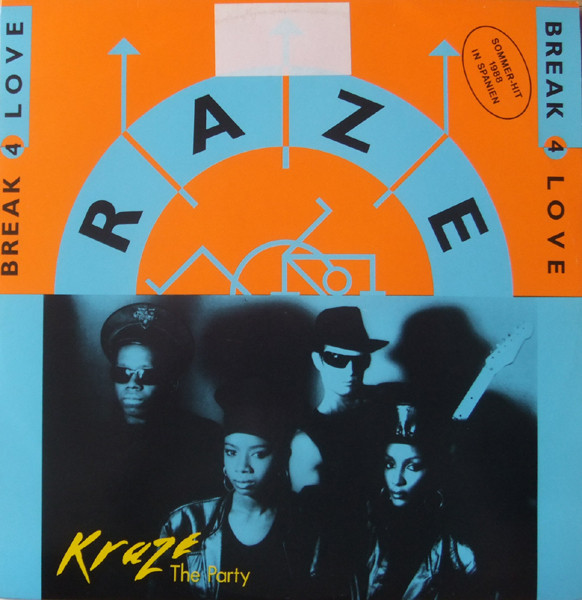
Raze bring deep, sensual house minimalism with 'Break For Love', all warm pads, whispered tension and patient groove. Its restraint gives Deep III a darker club undercurrent.
Chart peaks: UK #28
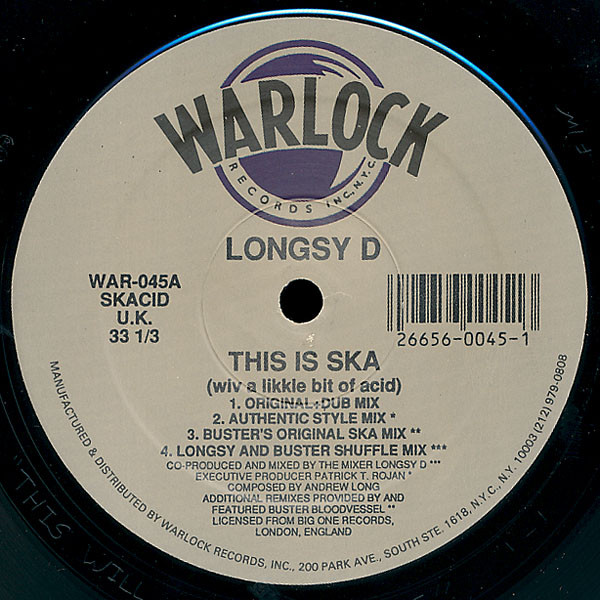
Longsy D's House Sound's This Is Ska (1989) is a dynamic blend of ska and acid house, a defining track of the "skacid" genre. Produced by Andrew "Longsy D" Loungway, it features infectious rhythms and vibrant beats, capturing the essence of the late '80s dance scene. Released on Big One Records, it includes standout versions like the "Skacid Mix" and "Dub Mix."
Chart peaks: UK #56
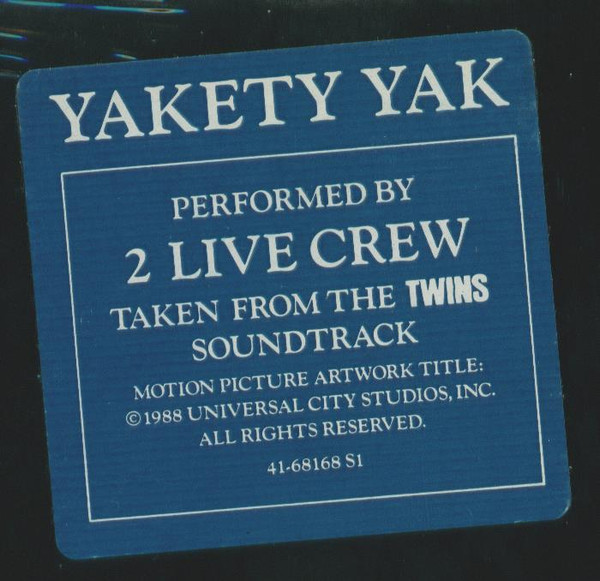
2 Live Crew's Yakety Yak (1988) is a hip-hop rendition of The Coasters' 1958 classic. Featured on the soundtrack of the film Twins, the track infuses the original's playful lyrics with 2 Live Crew's distinctive style, blending old-school rock and roll with late '80s hip-hop elements.
Chart peaks: UK #90
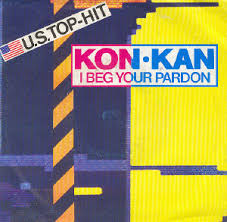
Kon Kan's I Beg Your Pardon (I Never Promised You a Rose Garden) (1988) is a standout synth-pop and dance-pop hit that ingeniously samples Lynn Anderson's 1970 classic Rose Garden. The track became a global success, peaking at #5 on the UK Singles Chart and #15 on the U.S. Billboard Hot 100.
Chart peaks: DE #8 · NL #5 · UK #5
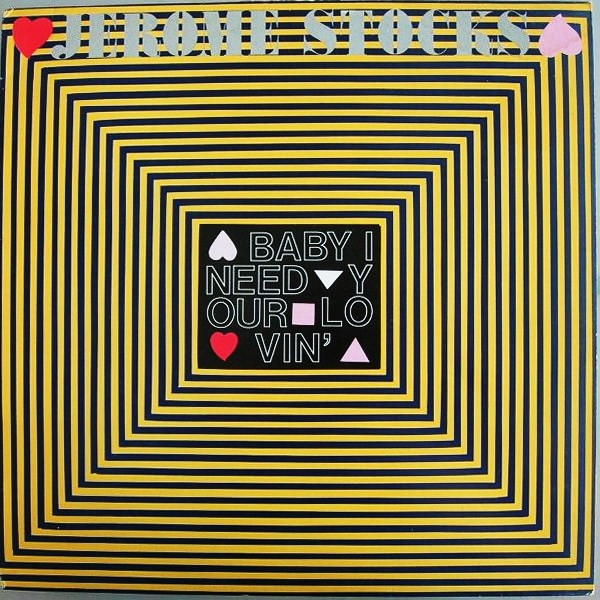
erome Stocks' Baby I Need Your Lovin' (1989) is an Italo-Disco and Euro House take on the Four Tops' 1964 classic. Produced by Roberto Ferrante, it features vocals by Clio and Kay Bianco, with a saxophone performance by Pino Ciccarelli. Released on Flying Records.
Chart peaks: no documented DE/NL/SE/UK/DK peak found
.jpg)
Ten City's That's the Way Love Is (1989) is a classic house anthem that combines soulful vocals with deep house grooves. The Steve 'Silk' Hurley Deep House Mix, often called the "Acieed Mix," became a club staple. The track achieved chart success, reaching #8 on the UK Singles Chart and topping the U.S. Billboard Dance Club Songs chart.
Chart peaks: DE #18 · NL #23 · UK #8
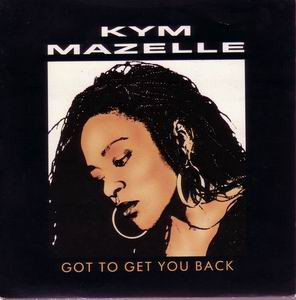
Kym Mazelle's Got to Get You Back (1989) is a standout house track featuring her soulful, powerful vocals over a deep house foundation. Produced by Marshall Jefferson and remixed by Blaze, the song became a key example of late '80s house music. It peaked at #29 on the UK Singles Chart and #57 in Germany.
Chart peaks: DE #57 · UK #29
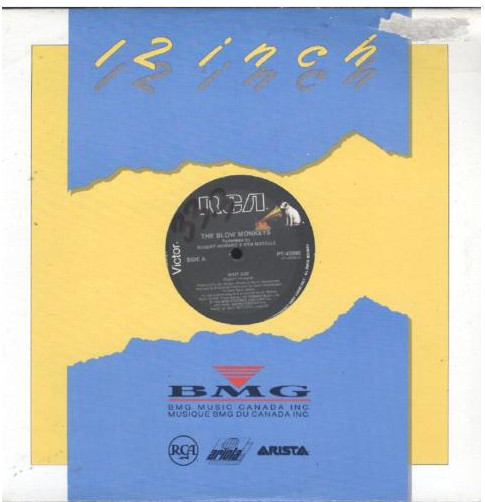
Wait (1989) is a dynamic collaboration between Robert Howard (Dr. Robert of The Blow Monkeys) and Chicago house vocalist Kym Mazelle. The track blends pop and house elements, showcasing both artists' distinctive styles. It achieved significant chart success, reaching #7 on the UK Singles Chart in February 1989.
Chart peaks: DE #26 · NL #32 · UK #7
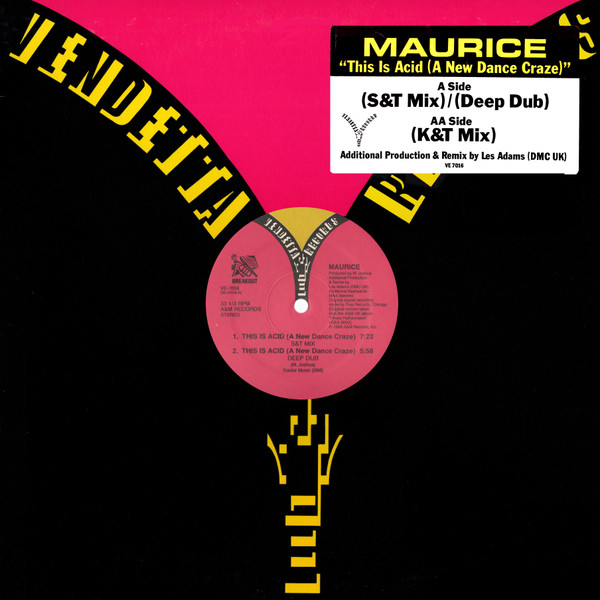
Maurice Joshua's This Is Acid (A New Dance Craze) (1988) is a defining Chicago acid house track, featuring spoken vocals by "Hot Hands" Hula Mahone. Highlighting the classic acid house sound with its TR-808 and TB-303 synthesis, the track became a dancefloor staple, reaching #1 on the Billboard Dance Club Play chart in 1989. Remixes by Les Adams added further appeal by incorporating elements from notable house hits, solidifying its status as a genre classic.
Chart peaks: UK #85
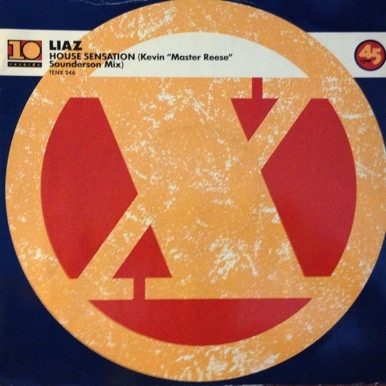
Liaz's House Sensation (1988) is a notable house track that exemplifies the late '80s electronic music scene. The song gained prominence through the "Kevin 'Master Reese' Saunderson Mix," which infused it with a distinctive techno-house flavor. This remix was released on 10 Records and became a favorite in clubs, showcasing the innovative production techniques of the era.
Chart peaks: no documented DE/NL/SE/UK/DK peak found
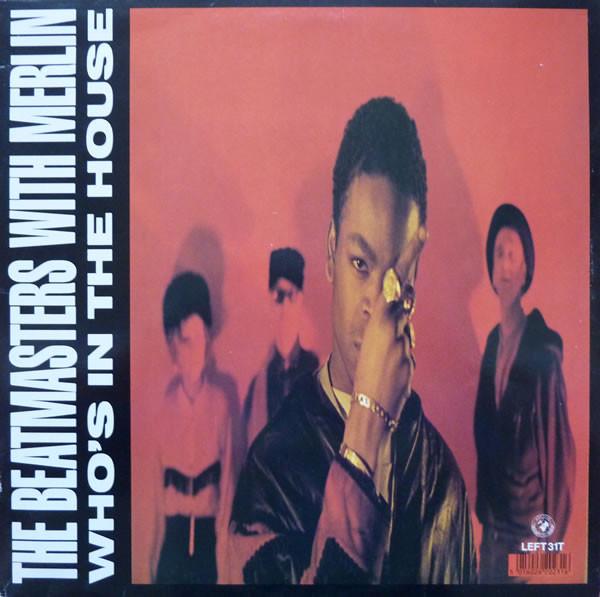
The Beatmasters' Who's in the House (1989), featuring rapper Merlin, is a seminal hip house track that blends house music rhythms with rap vocals. The song showcases the innovative fusion of genres characteristic of the late 1980s dance scene. It achieved commercial success, reaching number 8 on the UK Singles Chart.
Chart peaks: UK #8
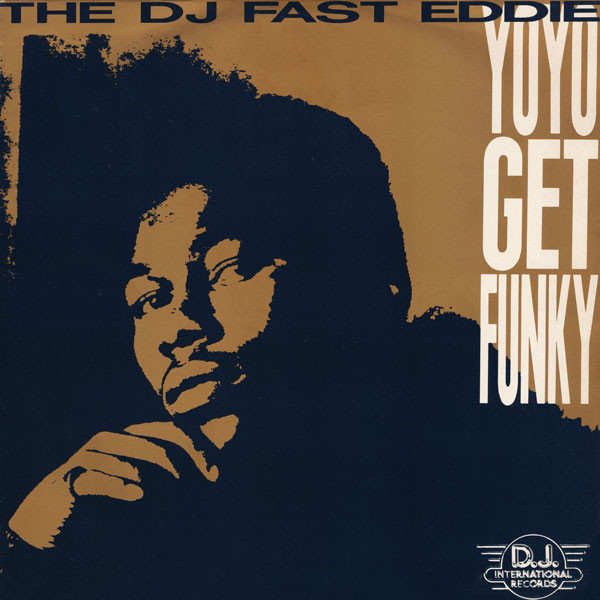
Fast Eddie's Yo Yo Get Funky (1988) is a defining hip house track, merging house music grooves with rap vocals in the signature style of the late '80s Chicago house scene. Known for its infectious beats and playful lyrics, the track became a dancefloor hit. Released on D.J. International Records, it includes versions like the "Original Radio Mix" and Tyree Cooper's "Funky Beats" remix.
Chart peaks: UK #54
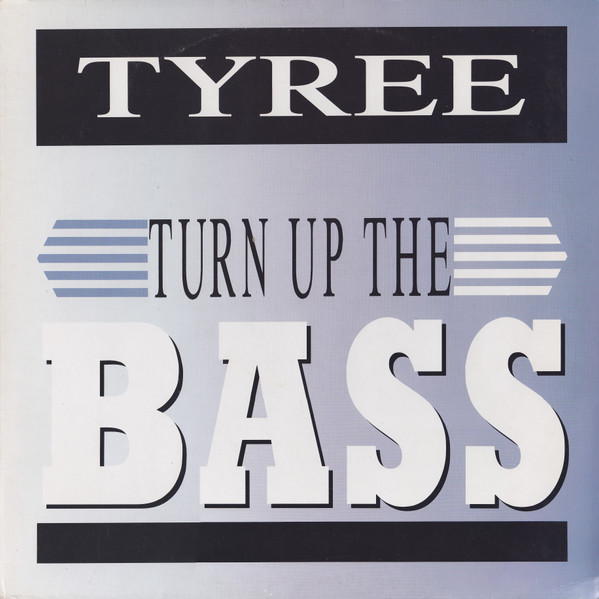
Tyree's Turn Up the Bass (1988), featuring Kool Rock Steady, is a groundbreaking hip house track that combines infectious house beats with dynamic rap vocals. The song became a commercial hit, peaking at #12 on the UK Singles Chart in 1989, and remains a standout in the hip house genre.
Chart peaks: UK #12
This mix offers a diverse blend of late 80s and early 90s pop, soul, hip-hop, and dance influences, creating a vibrant and eclectic journey. It opens with Stereo MC’s “What Is Soul?” and smoothly transitions through pop anthems like Roxette’s “The Look” and Milli Vanilli’s “Baby Don’t Forget My Number.” Tracks like Sydney Youngblood’s “Congratulations” and The Cure’s “Lullaby” add emotional depth and variety, while Eric B. & Rakim’s Coldcut Remix of “Paid In Full” injects a dynamic hip-hop edge. Soulful grooves from Soul II Soul’s “Keep On Movin’” and Bobby Brown’s “Don’t Be Cruel” anchor the mix in rhythmic warmth.
As it progresses, the mix weaves through polished soul and pop hits, including Alyson Williams’ “My Love Is So Raw” and Fine Young Cannibals’ “She Drives Me Crazy,” leading into high-energy tracks like Holly Johnson’s “Love Train” and Jody Watley’s “Real Love.” The inclusion of Madonna’s iconic “Like A Prayer” and its dance mix provides a climactic centerpiece, bridging soul, pop, and house elements seamlessly. Turntable Orchestra’s “You’re Gonna Miss Me” and Paula Abdul’s “Straight Up” energize the latter part of the mix, while Wally Jump Junior & The Criminal Element’s “Thieves” adds a touch of funk-driven edge.
The mix flows effortlessly between genres, highlighting an era where pop, soul, and dance music collided to create infectious, uplifting tracks. With its combination of chart-topping hits and deep dance grooves, it’s a perfect snapshot of the rich musical landscape of its time.
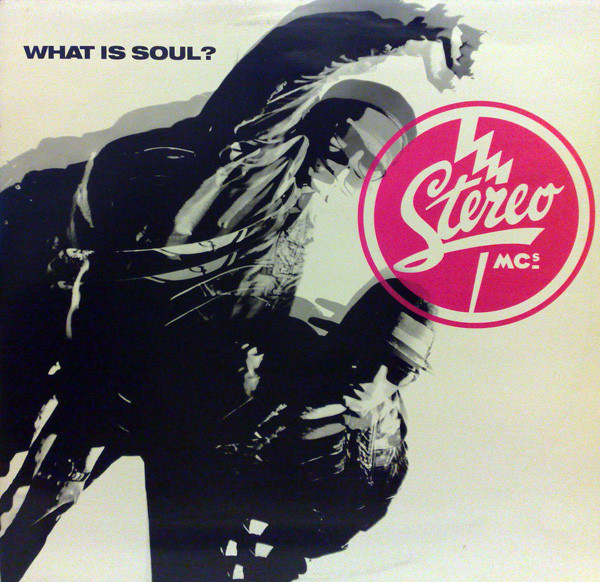
Stereo MC's What Is Soul? (1988) is a standout track from their debut album, 33-45-78. Blending electronic beats with hip-hop grooves, the song highlights the group's genre-defying creativity. Released as a single, it includes mixes like the "Vocal," "Instrumental," and "The Good The Bad And The Rob B Mix," marking an early milestone in their career.
Chart peaks: no documented DE/NL/SE/UK/DK peak found
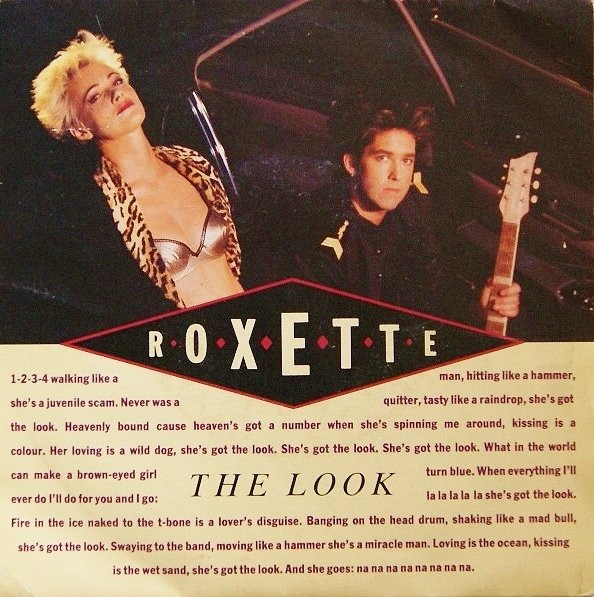
Roxette's The Look (1989), from their album Look Sharp!, is a pop rock anthem written by Per Gessle. Known for its infectious hooks and driving rhythm, the track became a global hit, topping charts in 25 countries, including the U.S. Billboard Hot 100.
Chart peaks: UK #7
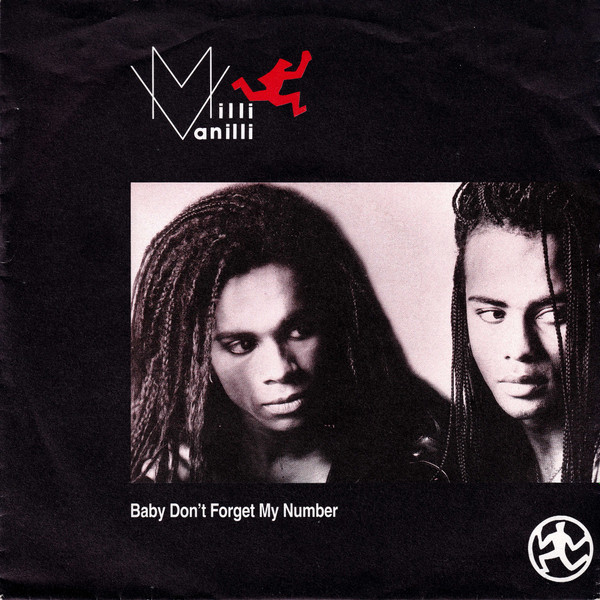
Milli Vanilli's Baby Don't Forget My Number (1988), from their debut album All or Nothing, is a vibrant dance-pop hit. The track became their first U.S. Billboard Hot 100 number-one single in 1989, solidifying their status as pop sensations of the late '80s.
Chart peaks: no documented DE/NL/SE/UK/DK peak found
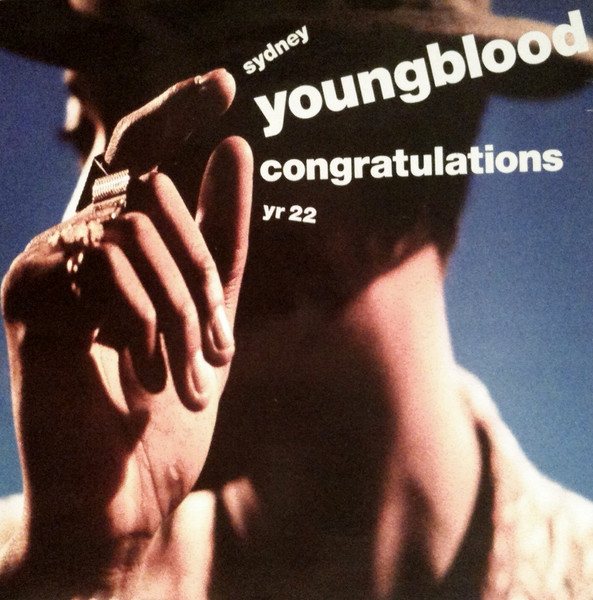
Sydney Youngblood's Congratulations (1988) is a soulful track from his debut album, Feeling Free. The song delves into the complexities of a tumultuous relationship, expressing both infatuation and frustration. It showcases Youngblood's distinctive vocal style and contributed to his prominence in the late 1980s music scene.
Chart peaks: no documented DE/NL/SE/UK/DK peak found
The Cure's Lullaby (1989), from their album Disintegration, is a gothic rock masterpiece that became their highest-charting UK single, peaking at #5. Known for its haunting melody and whispery vocals, the song explores dark themes of addiction, depression, and childhood nightmares. Its eerie music video, directed by Tim Pope, won British Video of the Year at the 1990 Brit Awards.
Chart peaks: UK #5
.jpg)
Coldcut's remix of Eric B. & Rakim turns hip-hop into a widescreen sample collage, full of breaks, voices and unexpected turns. It gives Decadance II a crucial bridge between rap, club culture and remix art.
Chart peaks: UK #15
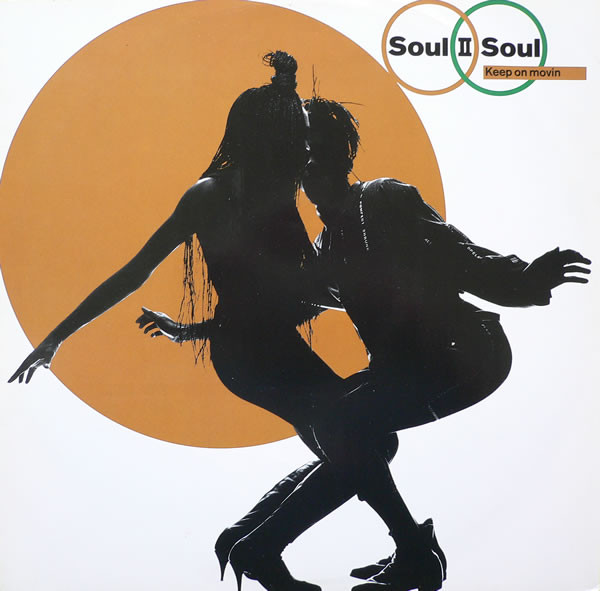
Soul II Soul's Keep On Movin' (1989), featuring Caron Wheeler, is a classic R&B and soul anthem from their debut album, Club Classics Vol. One. Produced by Jazzie B and Nellee Hooper, the track conveys a powerful message of resilience and progress. It became a major hit, reaching #5 on the UK Singles Chart, #11 on the U.S. Billboard Hot 100, and topping the Billboard R&B chart.
Chart peaks: no documented DE/NL/SE/UK/DK peak found
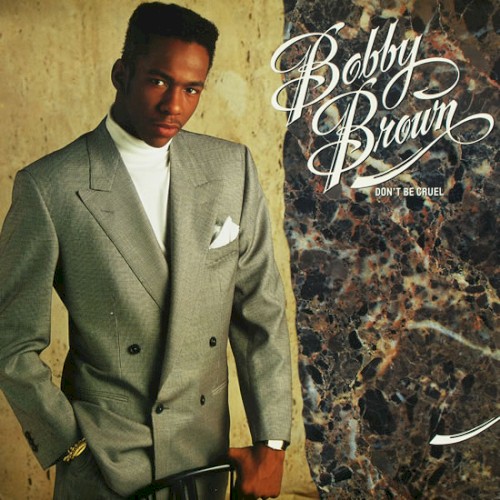
Bobby Brown's Don't Be Cruel (1988) is a standout new jack swing track from his album of the same name. Written and produced by Babyface, L.A. Reid, and Daryl Simmons, it masterfully blends R&B grooves with hip-hop elements. The track topped the Billboard Hot Black Singles chart for two weeks and peaked at #8 on the Billboard Hot 100, cementing Brown's place as a key figure in late '80s R&B.
Chart peaks: no documented DE/NL/SE/UK/DK peak found
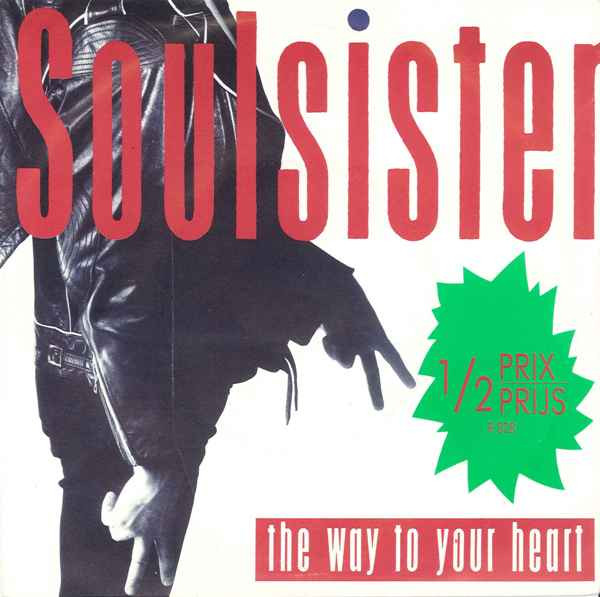
Soulsister's The Way to Your Heart (1988) is a pop-soul gem from their debut album, It Takes Two. Written and produced by Jan Leyers and Paul Michiels, the track combines pop-rock energy with Motown-inspired melodies. The song tells the story of unrequited love and longing, resonating with listeners worldwide.
It became a top 10 hit in several European countries and reached #41 on the U.S. Billboard Hot 100 and #5 on the Adult Contemporary chart, making it the duo's most notable international success.
Chart peaks: no documented DE/NL/SE/UK/DK peak found
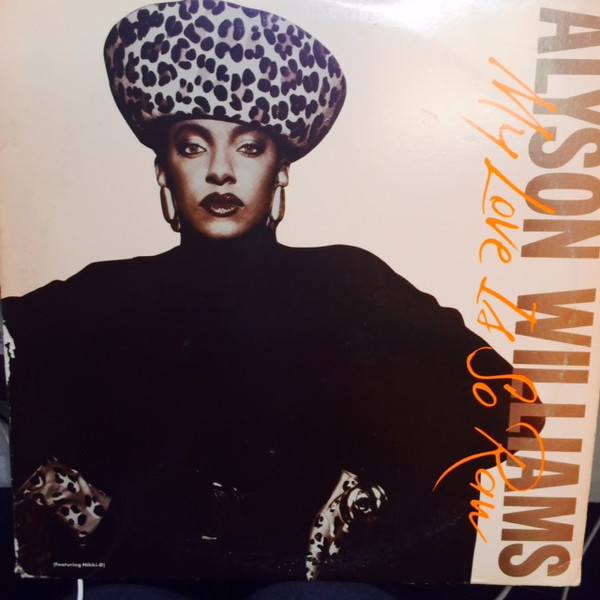
Alyson Williams' My Love Is So Raw (1989), featuring rapper Nikki D, is a vibrant new jack swing track from her debut album Raw. The song seamlessly combines R&B grooves with hip-hop influences, highlighting Williams' dynamic vocals and Nikki D's energetic rap. It charted at #34 on the UK Singles Chart, showcasing its impact in the late '80s music scene.
Chart peaks: no documented DE/NL/SE/UK/DK peak found
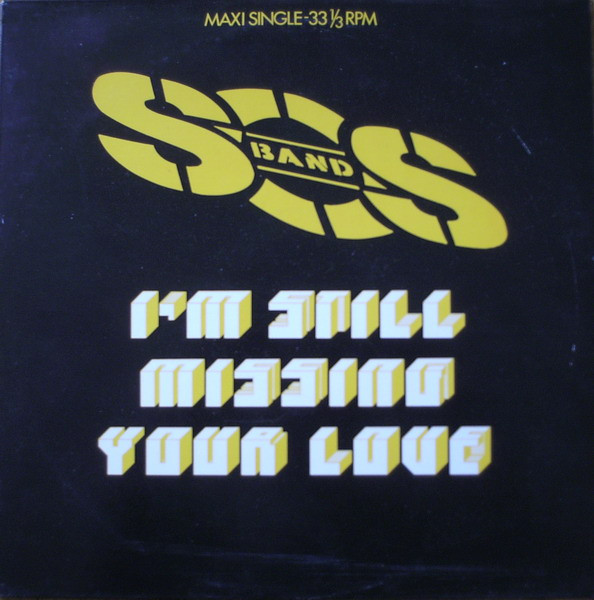
The S.O.S. Band's I'm Still Missing Your Love (1989) is a soulful highlight from their album Diamonds in the Raw. Produced and remixed by Curtis Williams, the track delivers heartfelt lyrics about longing and lost love, paired with smooth R&B and funk influences.
Chart peaks: no documented DE/NL/SE/UK/DK peak found
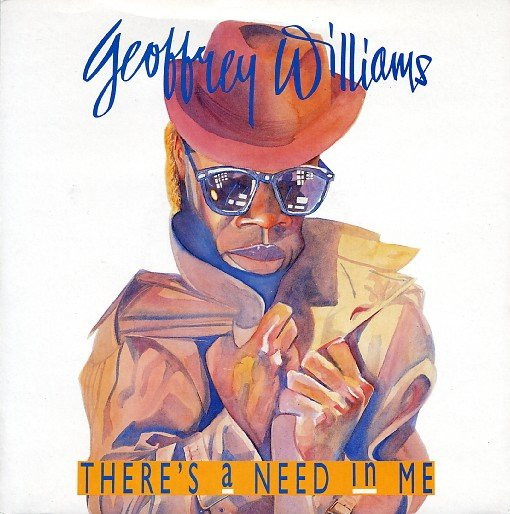
Geoffrey Williams' There's a Need in Me (1988) is a soulful track from his debut album, Heroes, Spies and Gypsies. Co-written with Simon Stirling, the song showcases Williams' emotive vocals and songwriting prowess. The 12-inch single features the "New York '88 Mix" and "The Other Mix," highlighting its appeal in the late '80s music scene.
Chart peaks: no documented DE/NL/SE/UK/DK peak found
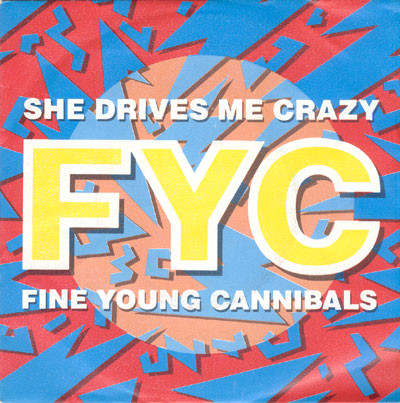
Fine Young Cannibals' She Drives Me Crazy (1988), from their album The Raw & the Cooked, is a dance-rock classic co-written by Roland Gift and David Steele. The track is known for its unique snare drum "pop" effect, created by re-recording the snare through a speaker for a distinctive sound. The song was a global hit, topping the U.S. Billboard Hot 100 in April 1989 and reaching #5 on the UK Singles Chart. It also claimed #1 spots in Australia, Canada, New Zealand, and other countries. Two music videos were created, with the Philippe Decouflé-directed version earning multiple MTV Video Music Award nominations.
Chart peaks: DE #2 · NL #3 · UK #5
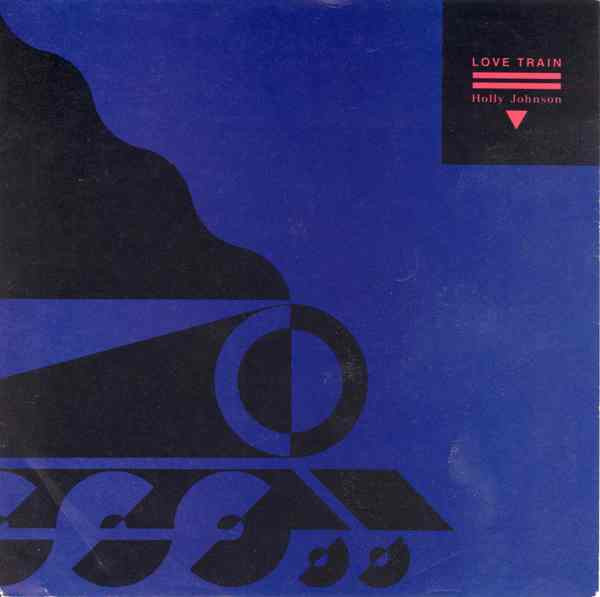
Holly Johnson's Love Train (1989), from his debut solo album Blast, is an energetic pop anthem co-produced by Andy Richards and Steve Lovell, with Stephen Hague providing additional production. The track features a memorable guitar solo by Brian May of Queen. The song was a commercial success, peaking at #4 on the UK Singles Chart and earning a silver certification. In the U.S., it reached #65 on the Billboard Hot 100, solidifying Johnson's post-Frankie Goes to Hollywood career.
Chart peaks: DE #4 · NL #15 · UK #4
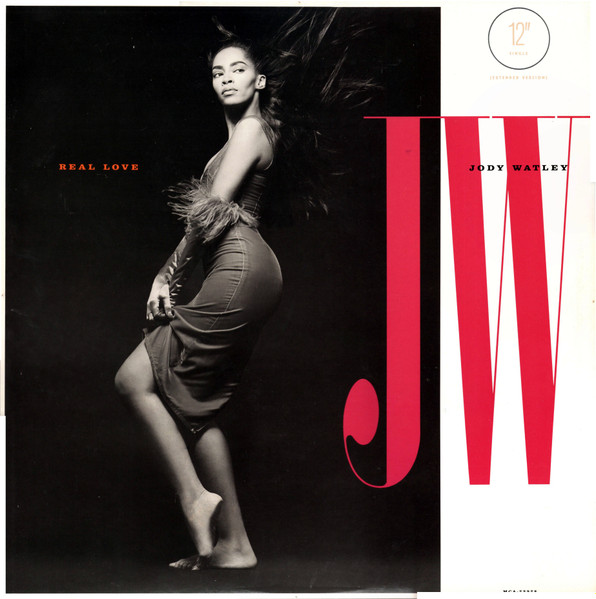
Jody Watley's Real Love (1989), from her second album Larger Than Life, is a vibrant new jack swing track co-written with André Cymone. Featuring a seamless blend of R&B and hip-hop, the song topped the Billboard Hot Black Singles and Dance Club Play charts, while peaking at #2 on the Billboard Hot 100. The music video, directed by David Fincher, earned six MTV Video Music Award nominations in 1989, including Best Female Video and Best Dance Video, solidifying its iconic status.
Chart peaks: DE #15 · NL #19 · UK #31
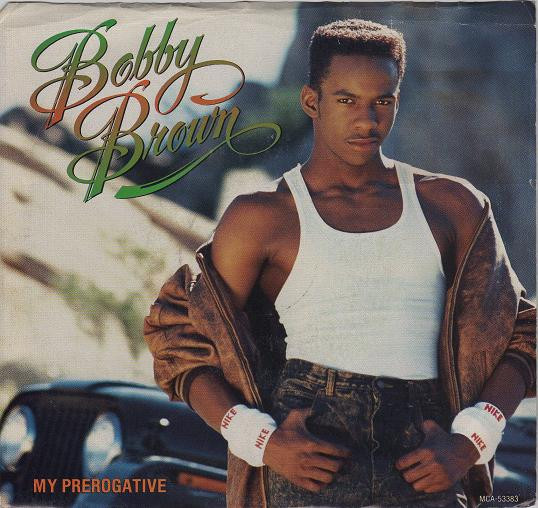
Bobby Brown's My Prerogative (1988), from his album Don't Be Cruel, is a new jack swing anthem co-written with Teddy Riley and Gene Griffin. The track serves as Brown's bold declaration of independence and defiance, addressing criticism after leaving New Edition.
A commercial success, it topped both the U.S. Billboard Hot 100 and R&B charts and reached the top 10 in multiple countries, including the UK and the Netherlands. The energetic music video, directed by Alek Keshishian, showcased Brown's dynamic stage presence and earned a nomination at the 1989 MTV Video Music Awards. The song's legacy endures, with notable covers like Britney Spears' 2004 version.
Chart peaks: DE #15 · NL #5 · UK #6 · DK #3
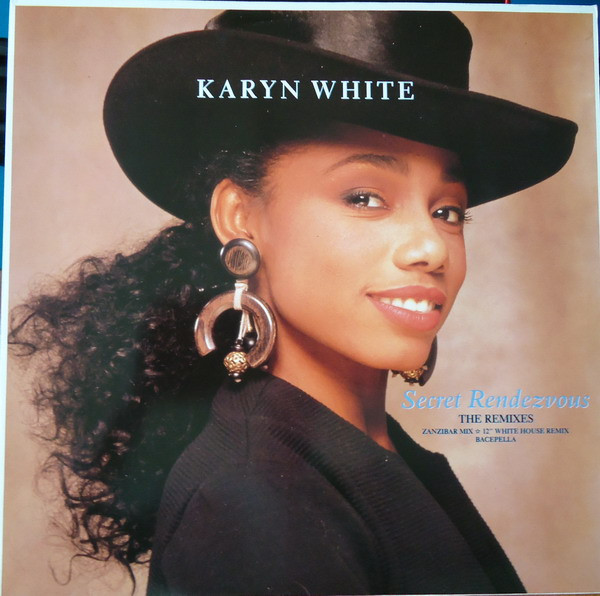
Karyn White's Secret Rendezvous (1989) is a new jack swing classic from her self-titled debut album. Written by Babyface, L.A. Reid, and Daryl Simmons, and produced by Reid and Babyface, the track highlights White's powerful vocals and infectious energy.
The song became a major hit, topping the U.S. Billboard Dance chart, reaching #4 on the R&B chart, and peaking at #6 on the Billboard Hot 100. Internationally, it reached #22 on the UK Singles Chart, cementing its place as one of her most iconic tracks.
Chart peaks: no documented DE/NL/SE/UK/DK peak found
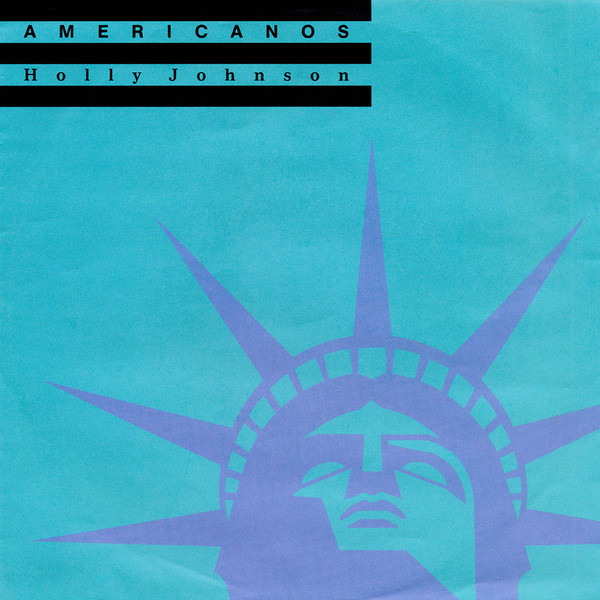
Holly Johnson's Americanos (1989), from his debut solo album Blast, is a lively pop anthem that humorously critiques the American Dream. Co-produced by Andy Richards, Steve Lovell, and Dan Hartman, the track combines catchy melodies with sharp social commentary.
The single was a commercial success, reaching #4 on the UK Singles Chart and topping the Austrian Singles Chart. Its music video highlights themes of consumerism, contrasting the lives of an affluent American family and their less privileged neighbors through a televised lottery show.
Chart peaks: DE #2 · NL #6 · UK #4 · DK #2
You're Gonna Miss Me is a deep house classic originally released in 1988 by New York's Turntable Orchestra on Easy Street Records. With its warm bassline, sweeping strings, and soulful vocal hook, it became one of the defining records of the early house scene and continued to surface on compilation albums well into the 90s. A timeless slice of New York underground dance music.
Chart peaks: UK #52
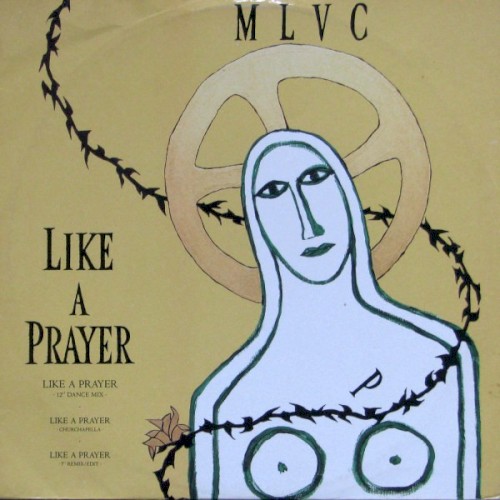
Like A Prayer (1989) is one of Madonna's most iconic singles, blending dance-pop, gospel, and rock into an anthemic statement that transcended genre. It debuted at #1 in multiple countries and became one of the best-selling singles of the year. The accompanying video — featuring burning crosses and religious imagery — sparked widespread controversy, but the song itself stood undeniable: a gospel choir, a raw vocal performance, and a production that has aged immaculately.
Chart peaks: DE #1 · UK #1 · DK #1
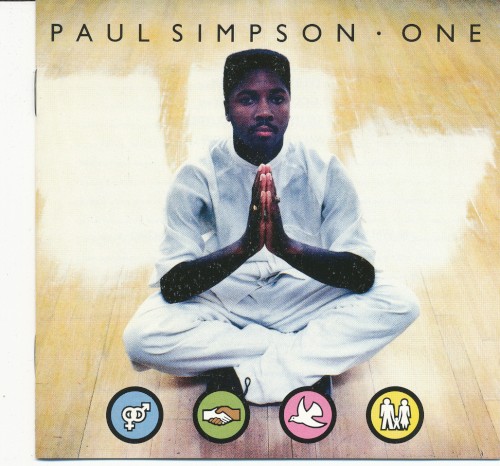
Musical Freedom (Moving On Up) by Paul Simpson featuring Adeva was originally released in 1989 and became a classic of the New York house scene. Driven by Adeva's powerful gospel-inflected vocals and a euphoric piano-driven groove, the track reached #22 on the UK Singles Chart and remains one of the defining vocal house anthems of the late '80s.
Chart peaks: NL #43 · UK #22
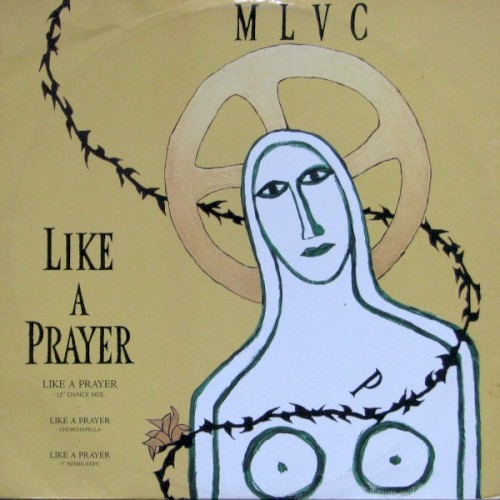
Madonna's Like A Prayer (12" Dance Mix) from 1989 brings dance pop energy into the Deep Dance 001 + 002 tracklist. In the mix it works as a compact snapshot of late-80s club culture, connecting radio hooks, dancefloor rhythm and the fast-cut megamix style that shaped the early Deep Dance sound.
Chart peaks: no documented DE/NL/SE/UK/DK peak found
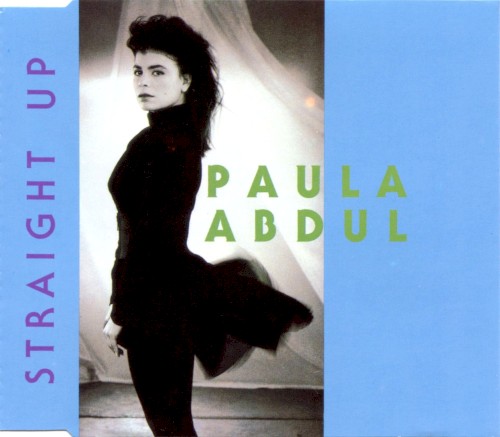
Paula Abdul's Straight Up is a crisp late-80s dance-pop classic from her debut album Forever Your Girl. Built on a tight groove, sharp synth hooks, and Abdul's unmistakable vocal delivery, the track became one of her signature hits and helped define the polished pop and club sound of 1989.
Chart peaks: DE #3 · NL #2 · SE #2 · UK #3
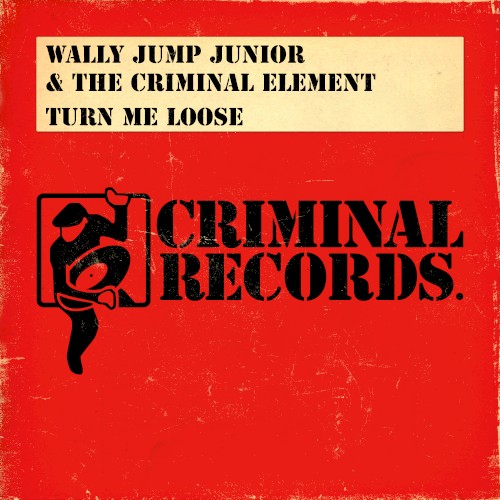
Wally Jump Junior & The Criminal Element's Thieves from 1994 brings dance energy into the Deep Dance 001 + 002 tracklist. In the mix it works as a compact snapshot of late-80s club culture, connecting radio hooks, dancefloor rhythm and the fast-cut megamix style that shaped the early Deep Dance sound.
Chart peaks: no documented DE/NL/SE/UK/DK peak found
You're Gonna Miss Me is a deep house classic originally released in 1988 by New York's Turntable Orchestra on Easy Street Records. With its warm bassline, sweeping strings, and soulful vocal hook, it became one of the defining records of the early house scene and continued to surface on compilation albums well into the 90s. A timeless slice of New York underground dance music.
Chart peaks: UK #52
This DecaDance mix is a masterful celebration of the '80s, encapsulating the decade's most iconic sounds and genres in one electrifying journey. Seamlessly blending pop, funk, synth-wave, and the burgeoning sounds of house and electronic music, this mix takes listeners on a nostalgic yet timeless adventure through the vibrant musical landscape of the era. With expertly crafted transitions, DecaDance captures the essence of a time when innovation and energy ruled the charts and dancefloors.
Opening with the ethereal tones of E.L.O.'s "Ticket to the Moon," the mix sets a contemplative yet exciting tone before diving into upbeat classics like Jermaine Stewart's "We Don’t Have to Take Our Clothes Off" and Madonna's feel-good anthem "Holiday." Michael Jackson's "Bad" and "Billie Jean" bring undeniable star power, while Talk Talk's "Such a Shame" and Kraftwerk's "Musique Non-Stop" highlight the experimental brilliance of the era. Dancefloor staples like Shannon's "Let the Music Play" and Colonel Abrams' "Trapped" keep the energy high, blending effortlessly with the soulful grooves of Sister Sledge's "Lost in Music" and Indeep's "Last Night a DJ Saved My Life."
As the mix evolves, it embraces the rise of electronic and house music with tracks like Hithouse's "Jack to the Sound of the Underground," Steve "Silk" Hurley's "Jack Your Body," and New Order's timeless "Blue Monday." Pop classics such as Whitney Houston's "How Will I Know," Pet Shop Boys' "West End Girls," and Yazz's uplifting "The Only Way Is Up" provide moments of euphoria, while darker, emotionally charged hits like Bronski Beat's "Smalltown Boy" and Soft Cell's "Tainted Love" add depth and introspection. With energetic highlights like Technotronic's "Pump Up the Jam" and Prince's "1999," this mix is a dynamic and comprehensive snapshot of a decade that defined modern music.
DecaDance isn't just a mix; it's an experience—a celebration of innovation, diversity, and the infectious rhythms of the '80s that continue to inspire generations. Perfect for both nostalgic fans and newcomers, this mix is an essential listen that brings the magic of the '80s to life.
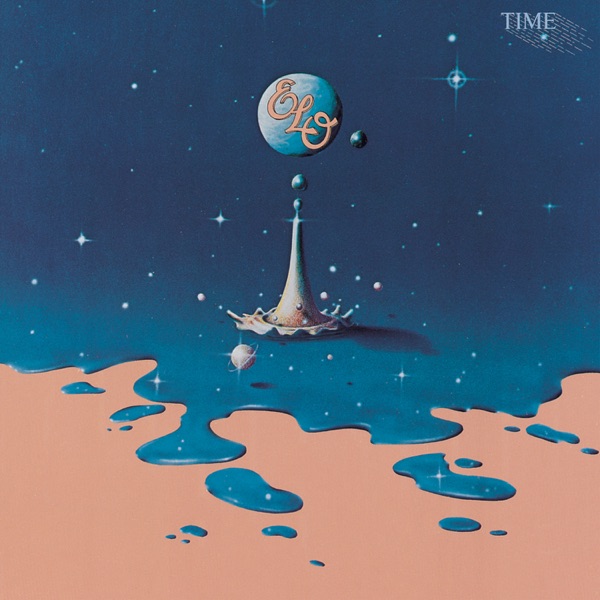
E.L.O's Ticket To The Moon from 1989 brings dance energy into the Deep Dance 001 + 002 tracklist. In the mix it works as a compact snapshot of late-80s club culture, connecting radio hooks, dancefloor rhythm and the fast-cut megamix style that shaped the early Deep Dance sound.
Chart peaks: UK #24
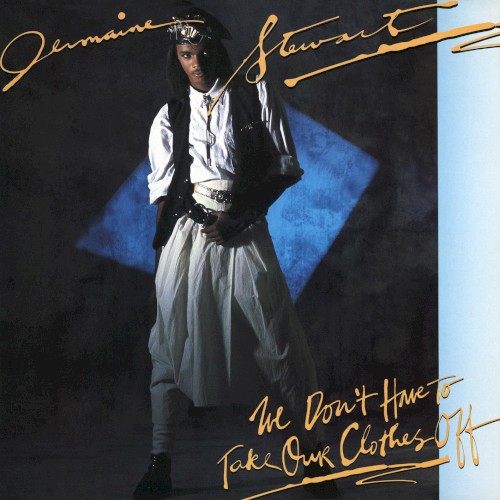
Jermaine Stewart's We Don't Have To Take Our Clothes Off from 1994 brings soul energy into the Deep Dance 001 + 002 tracklist. In the mix it works as a compact snapshot of late-80s club culture, connecting radio hooks, dancefloor rhythm and the fast-cut megamix style that shaped the early Deep Dance sound.
Chart peaks: NL #13 · UK #2
MC Miker G & DJ Sven's Holiday Rap from 1994 brings hip hop energy into the Deep Dance 001 + 002 tracklist. In the mix it works as a compact snapshot of late-80s club culture, connecting radio hooks, dancefloor rhythm and the fast-cut megamix style that shaped the early Deep Dance sound.
Chart peaks: DE #1 · NL #1 · SE #2 · UK #6
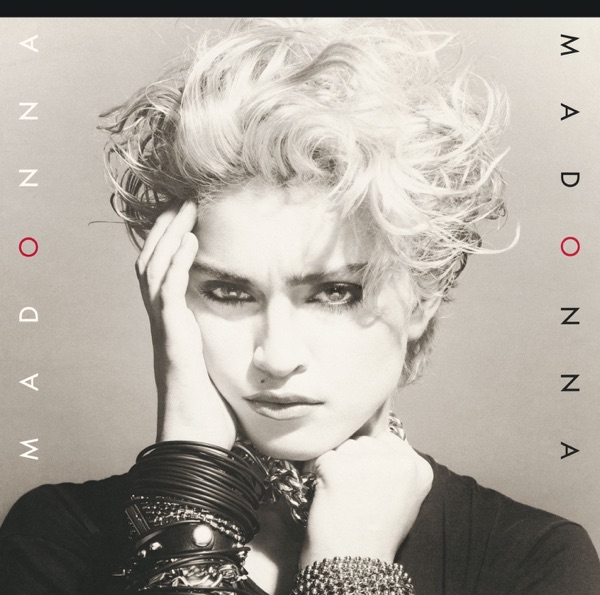
Madonna's Holiday from 1989 brings dance pop energy into the Deep Dance 001 + 002 tracklist. In the mix it works as a compact snapshot of late-80s club culture, connecting radio hooks, dancefloor rhythm and the fast-cut megamix style that shaped the early Deep Dance sound.
Chart peaks: UK #2
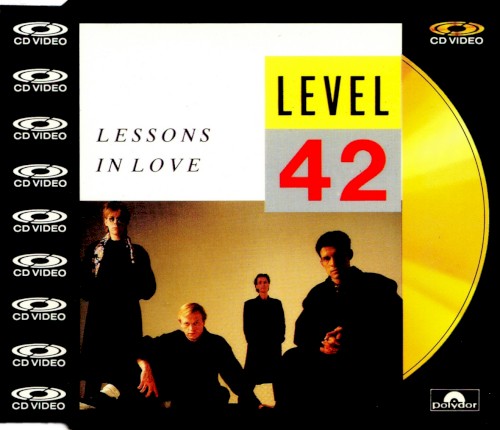
Level 42's Lessons In Love from 1994 brings pop energy into the Deep Dance 001 + 002 tracklist. In the mix it works as a compact snapshot of late-80s club culture, connecting radio hooks, dancefloor rhythm and the fast-cut megamix style that shaped the early Deep Dance sound.
Chart peaks: DE #1 · NL #2 · UK #3
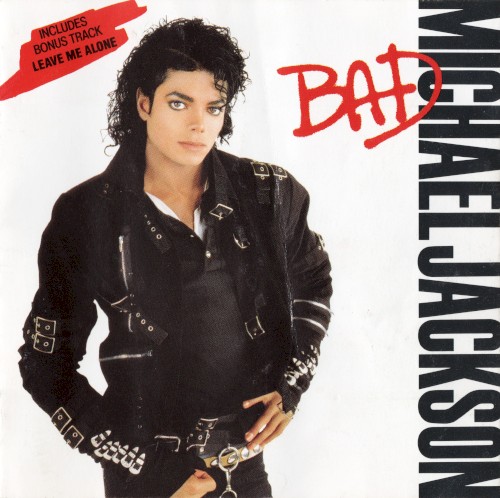
The title track from Michael Jackson's monumental 1987 album, co-produced with Quincy Jones. Reaching #1 in the UK and on the Billboard Hot 100, the funk-driven track was accompanied by a short film directed by Martin Scorsese, and the album went on to become one of the best-selling records of all time.
Chart peaks: DE #4 · NL #1 · SE #7 · UK #3
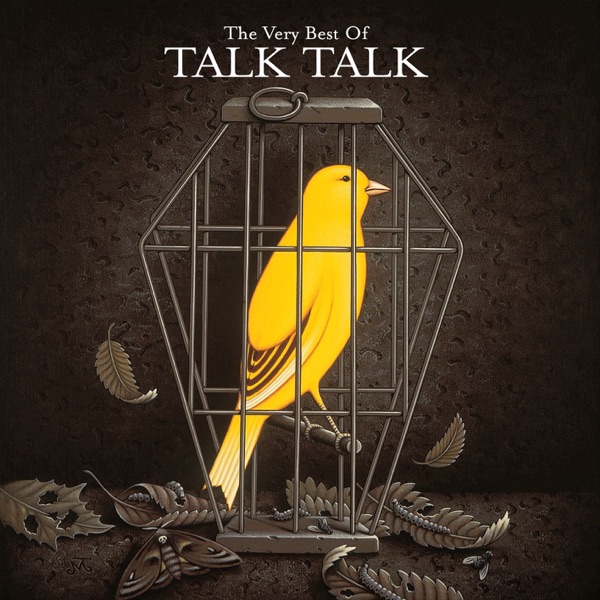
Talk Talk's Such A Shame from 1989 brings synth pop, new wave energy into the Deep Dance 001 + 002 tracklist. In the mix it works as a compact snapshot of late-80s club culture, connecting radio hooks, dancefloor rhythm and the fast-cut megamix style that shaped the early Deep Dance sound.
Chart peaks: DE #2 · NL #1 · UK #49
Steve Arrington's Feel So Real from 1989 brings house, funk energy into the Deep Dance 001 + 002 tracklist. In the mix it works as a compact snapshot of late-80s club culture, connecting radio hooks, dancefloor rhythm and the fast-cut megamix style that shaped the early Deep Dance sound.
Chart peaks: UK #5
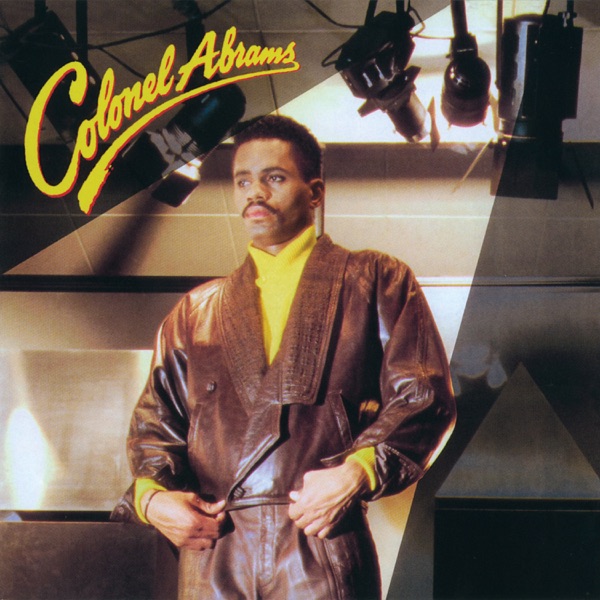
Colonel Abrams's Trapped from 1989 brings funk energy into the Deep Dance 001 + 002 tracklist. In the mix it works as a compact snapshot of late-80s club culture, connecting radio hooks, dancefloor rhythm and the fast-cut megamix style that shaped the early Deep Dance sound.
Chart peaks: DE #14 · NL #5 · UK #3
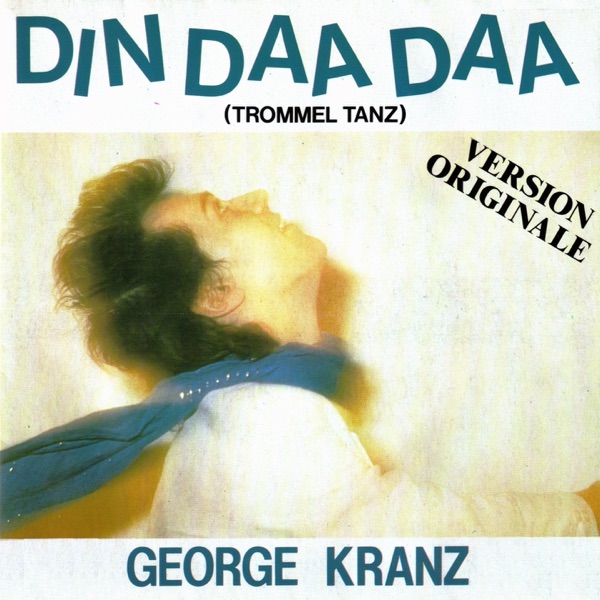
George Krantz's Din Daa Daa from 1989 brings dance energy into the Deep Dance 001 + 002 tracklist. In the mix it works as a compact snapshot of late-80s club culture, connecting radio hooks, dancefloor rhythm and the fast-cut megamix style that shaped the early Deep Dance sound.
Chart peaks: DE #28
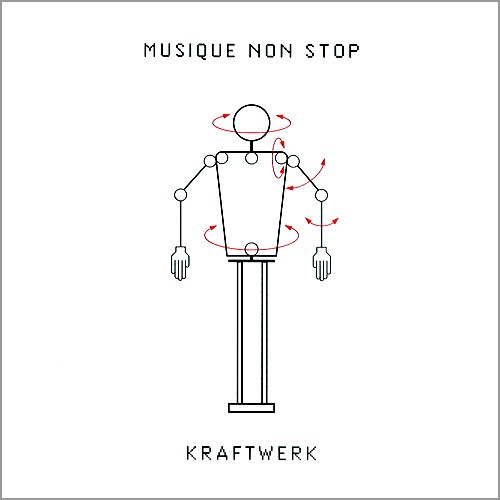
Kraftwerk's Musique Non-Stop from 1994 brings synth pop energy into the Deep Dance 001 + 002 tracklist. In the mix it works as a compact snapshot of late-80s club culture, connecting radio hooks, dancefloor rhythm and the fast-cut megamix style that shaped the early Deep Dance sound.
Chart peaks: DE #13 · UK #82
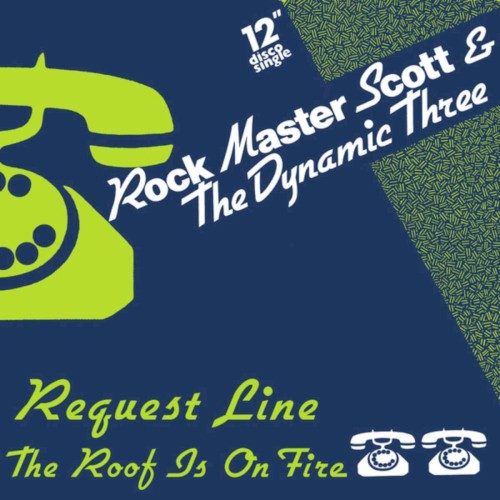
Rock Master Scott & The Dynamic Three's Request Line from 1994 brings hip hop energy into the Deep Dance 001 + 002 tracklist. In the mix it works as a compact snapshot of late-80s club culture, connecting radio hooks, dancefloor rhythm and the fast-cut megamix style that shaped the early Deep Dance sound.
Chart peaks: no documented DE/NL/SE/UK/DK peak found
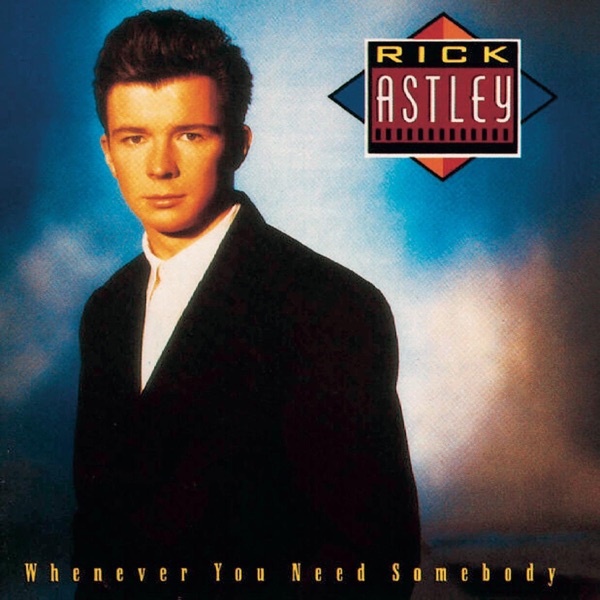
Rick Astley's Together Forever from 1989 brings dance pop energy into the Deep Dance 001 + 002 tracklist. In the mix it works as a compact snapshot of late-80s club culture, connecting radio hooks, dancefloor rhythm and the fast-cut megamix style that shaped the early Deep Dance sound.
Chart peaks: DE #10 · NL #2 · SE #6 · UK #2
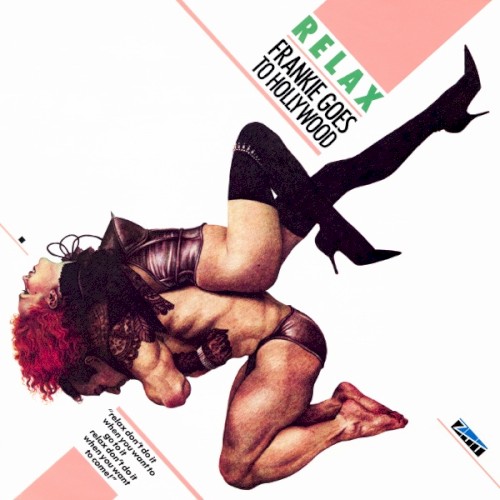
Frankie Goes To Hollywood's Relax from 1994 brings new wave, hi nrg energy into the Deep Dance 001 + 002 tracklist. In the mix it works as a compact snapshot of late-80s club culture, connecting radio hooks, dancefloor rhythm and the fast-cut megamix style that shaped the early Deep Dance sound.
Chart peaks: DE #1 · NL #1 · SE #1 · UK #1
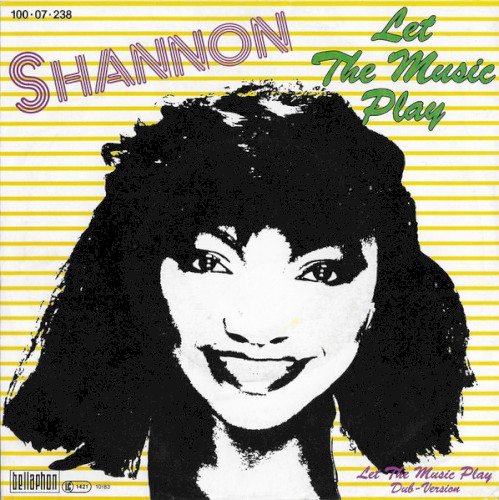
Shannon's Let The Music Play from 1994 brings dance energy into the Deep Dance 001 + 002 tracklist. In the mix it works as a compact snapshot of late-80s club culture, connecting radio hooks, dancefloor rhythm and the fast-cut megamix style that shaped the early Deep Dance sound.
Chart peaks: DE #11 · NL #3 · UK #14
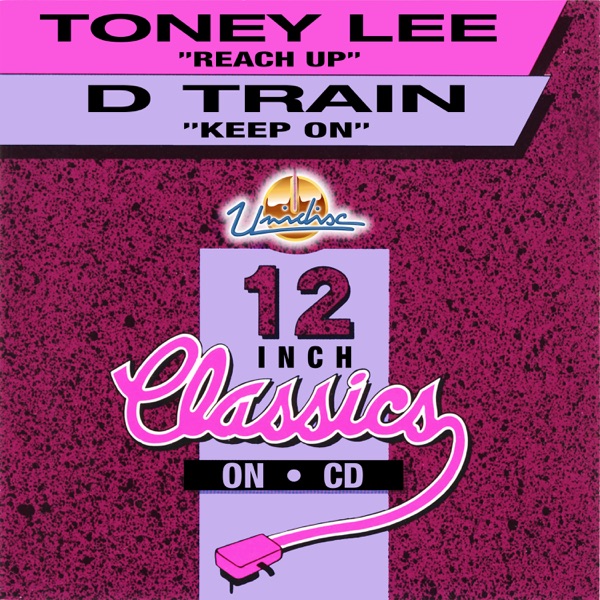
Toney Lee's Reach Up from 1989 brings dance energy into the Deep Dance 001 + 002 tracklist. In the mix it works as a compact snapshot of late-80s club culture, connecting radio hooks, dancefloor rhythm and the fast-cut megamix style that shaped the early Deep Dance sound.
Chart peaks: no documented DE/NL/SE/UK/DK peak found
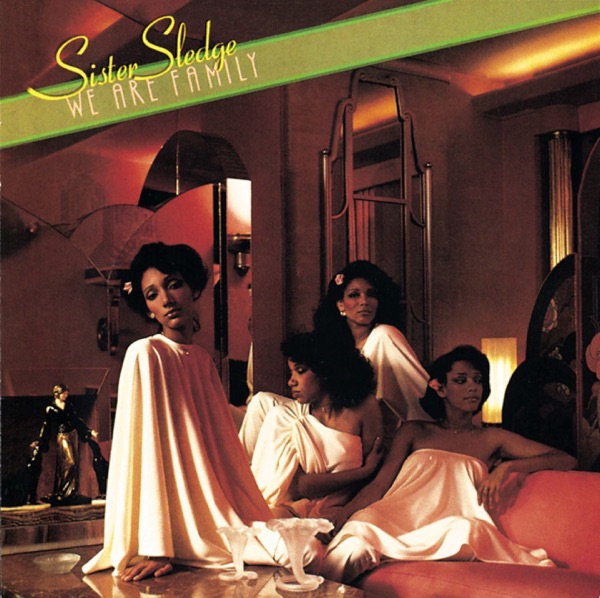
Sister Sledge's Lost In Music from 1989 brings disco energy into the Deep Dance 001 + 002 tracklist. In the mix it works as a compact snapshot of late-80s club culture, connecting radio hooks, dancefloor rhythm and the fast-cut megamix style that shaped the early Deep Dance sound.
Chart peaks: UK #4

F.P.I. Project's Rich In Paradise from 1994 brings house energy into the Deep Dance 001 + 002 tracklist. In the mix it works as a compact snapshot of late-80s club culture, connecting radio hooks, dancefloor rhythm and the fast-cut megamix style that shaped the early Deep Dance sound.
Chart peaks: DE #13 · NL #5 · UK #9
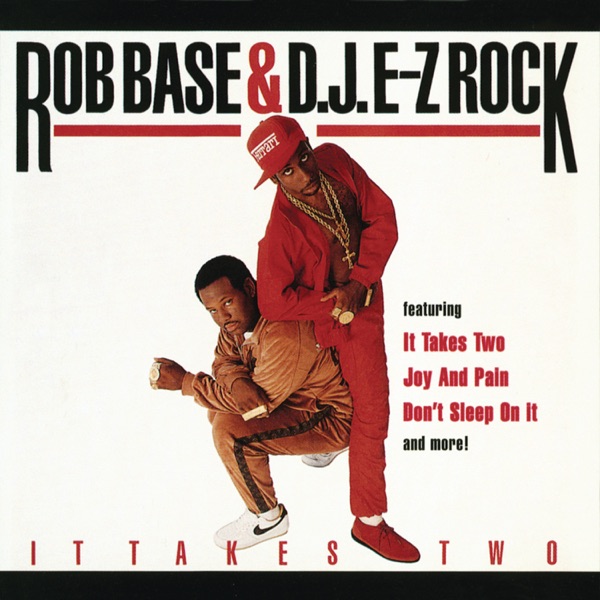
Rob Base & DJ Eazy Rock's It Takes Two from 1989 brings hip hop energy into the Deep Dance 001 + 002 tracklist. In the mix it works as a compact snapshot of late-80s club culture, connecting radio hooks, dancefloor rhythm and the fast-cut megamix style that shaped the early Deep Dance sound.
Chart peaks: UK #24
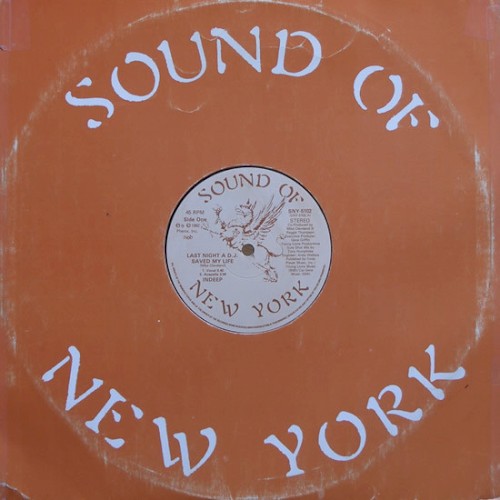
Indeep celebrate DJ culture itself with a deep post-disco groove and a hook made for the booth. In Decadance II it feels almost like a theme song for the megamix format.
Chart peaks: UK #13
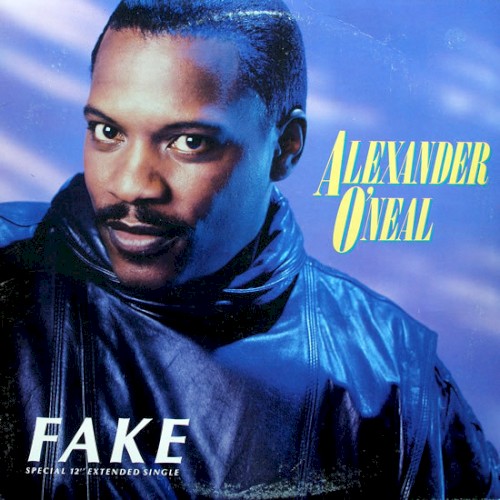
Alexander O'Neal brings polished Minneapolis funk, sharp vocal attitude and a groove that snaps into place. 'Fake' adds soulful bite to Decadance II's late-80s stretch.
Chart peaks: UK #33
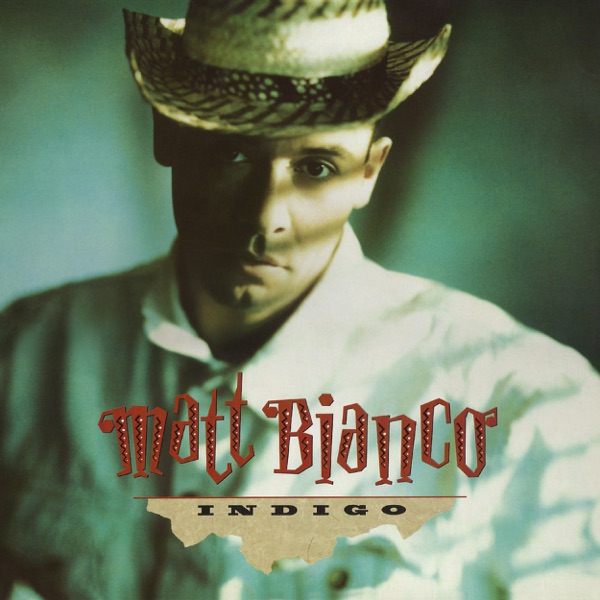
Matt Bianco's Wap Bam Boogie from 1989 brings dance energy into the Deep Dance 001 + 002 tracklist. In the mix it works as a compact snapshot of late-80s club culture, connecting radio hooks, dancefloor rhythm and the fast-cut megamix style that shaped the early Deep Dance sound.
Chart peaks: UK #11
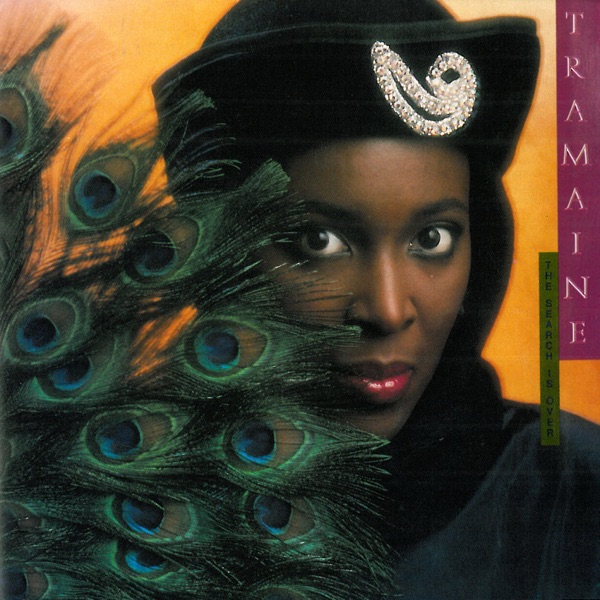
Tramaine's Fall Down from 1989 brings disco energy into the Deep Dance 001 + 002 tracklist. In the mix it works as a compact snapshot of late-80s club culture, connecting radio hooks, dancefloor rhythm and the fast-cut megamix style that shaped the early Deep Dance sound.
Chart peaks: UK #55
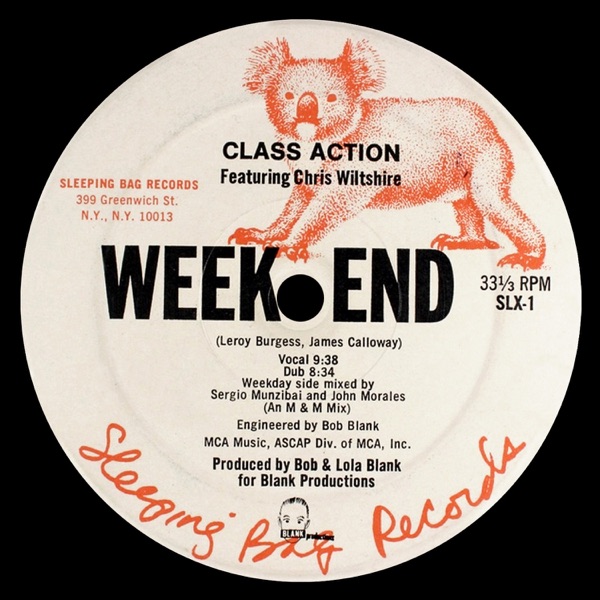
Class Action's Weekend from 1989 brings house energy into the Deep Dance 001 + 002 tracklist. In the mix it works as a compact snapshot of late-80s club culture, connecting radio hooks, dancefloor rhythm and the fast-cut megamix style that shaped the early Deep Dance sound.
Chart peaks: UK #49
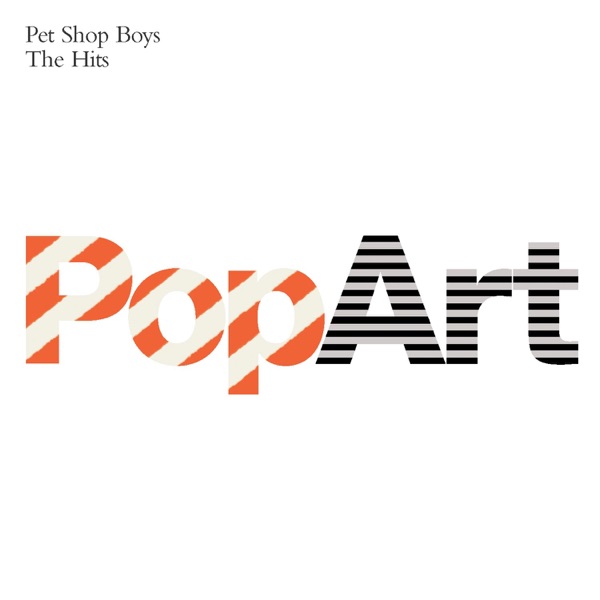
Pet Shop Boys's Domino Dancing from 1989 brings dance pop, synth pop, hi nrg energy into the Deep Dance 001 + 002 tracklist. In the mix it works as a compact snapshot of late-80s club culture, connecting radio hooks, dancefloor rhythm and the fast-cut megamix style that shaped the early Deep Dance sound.
Chart peaks: DE #4 · NL #3 · SE #5 · UK #7
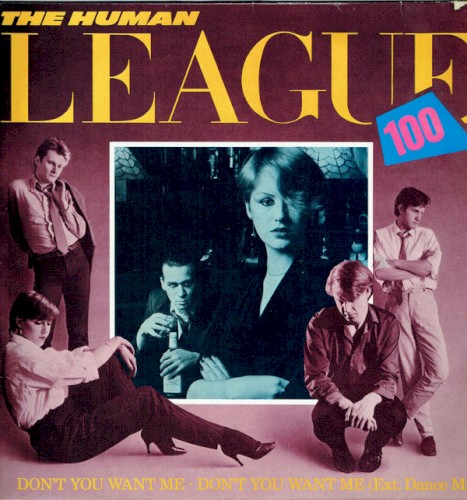
Human League bring immaculate synth-pop storytelling into Classic Review, Part 2, pairing icy electronics with a pop duet built for instant recognition. It is one of the review mix's defining 80s signals.
Chart peaks: NL #4 · UK #1
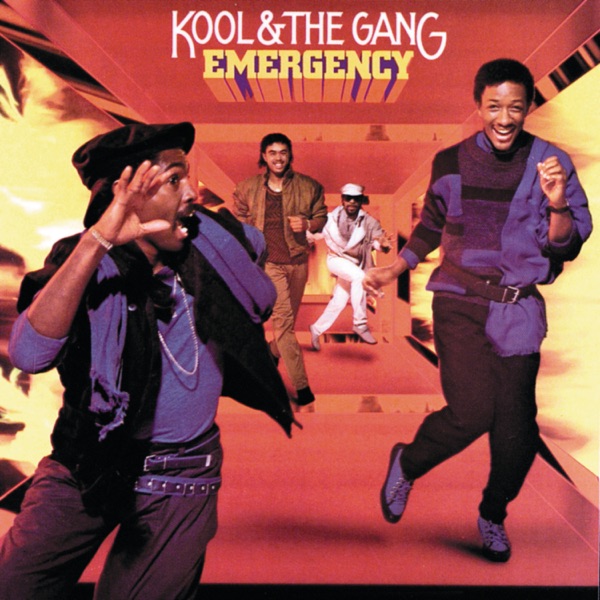
Kool & The Gang's Fresh from 1989 brings disco, funk energy into the Deep Dance 001 + 002 tracklist. In the mix it works as a compact snapshot of late-80s club culture, connecting radio hooks, dancefloor rhythm and the fast-cut megamix style that shaped the early Deep Dance sound.
Chart peaks: NL #3 · UK #11
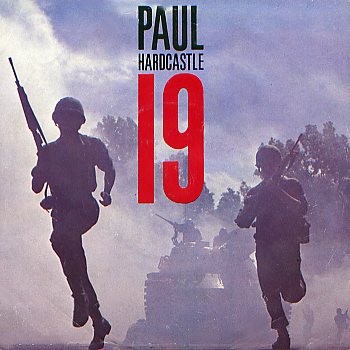
Paul Hardcastle's 19 from 1994 brings dance energy into the Deep Dance 001 + 002 tracklist. In the mix it works as a compact snapshot of late-80s club culture, connecting radio hooks, dancefloor rhythm and the fast-cut megamix style that shaped the early Deep Dance sound.
Chart peaks: DE #1 · NL #1 · SE #1 · UK #1
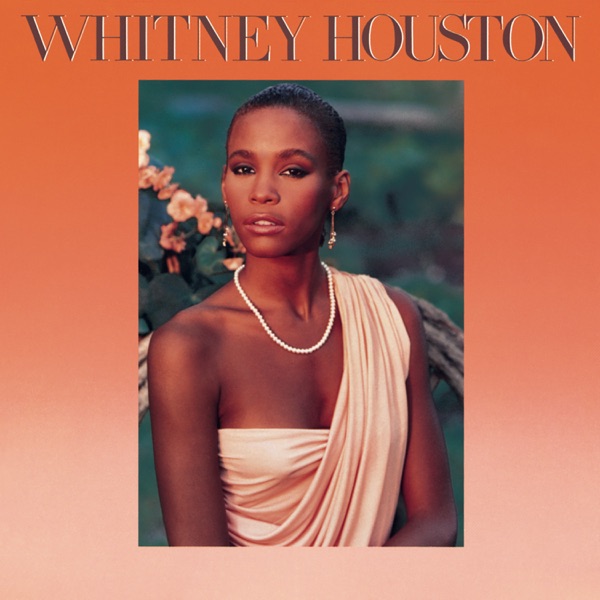
Whitney Houston's How Will I Know from 1989 brings dance pop, pop energy into the Deep Dance 001 + 002 tracklist. In the mix it works as a compact snapshot of late-80s club culture, connecting radio hooks, dancefloor rhythm and the fast-cut megamix style that shaped the early Deep Dance sound.
Chart peaks: DE #22 · NL #12 · SE #2 · UK #5
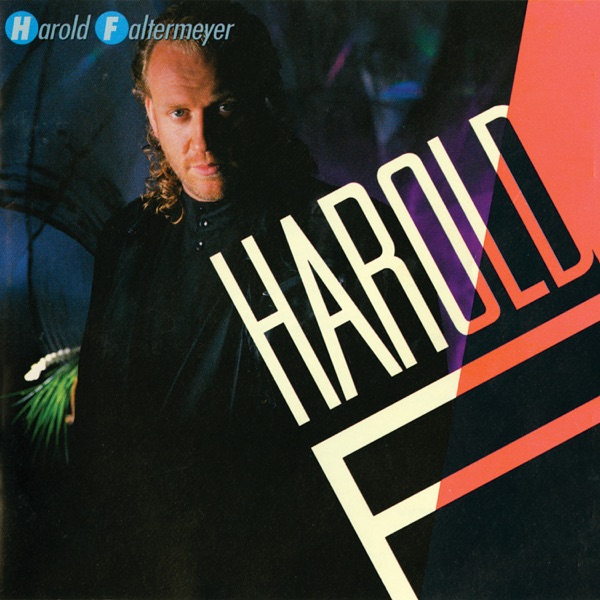
Harold Faltermeyer's Axel F. from 1989 brings soundtrack energy into the Deep Dance 001 + 002 tracklist. In the mix it works as a compact snapshot of late-80s club culture, connecting radio hooks, dancefloor rhythm and the fast-cut megamix style that shaped the early Deep Dance sound.
Chart peaks: DE #1 · NL #2 · SE #1 · UK #2
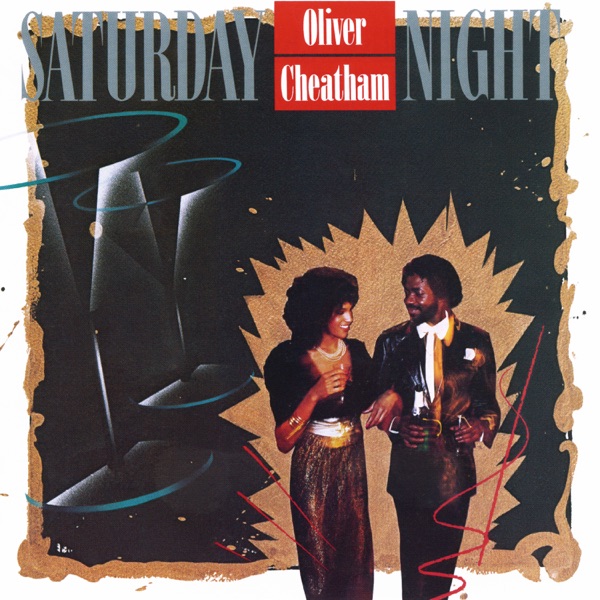
Oliver Cheatham's Get Down Saturday Night from 1989 brings funk energy into the Deep Dance 001 + 002 tracklist. In the mix it works as a compact snapshot of late-80s club culture, connecting radio hooks, dancefloor rhythm and the fast-cut megamix style that shaped the early Deep Dance sound.
Chart peaks: UK #38
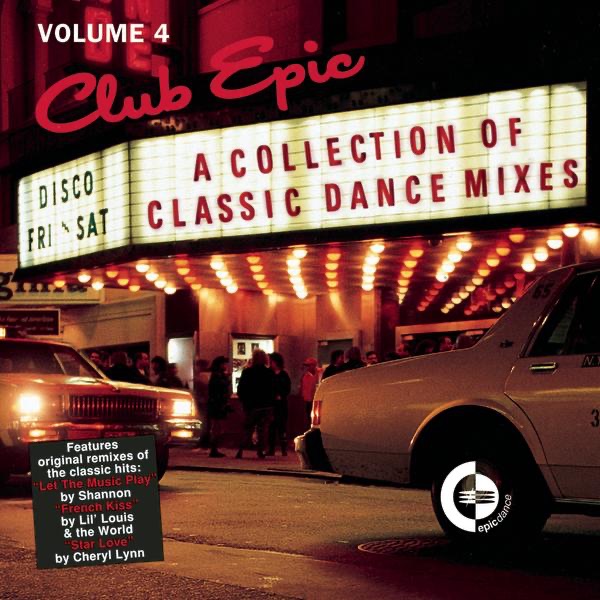
Miami Sound Machine's Dr. Beat from 1989 brings dance energy into the Deep Dance 001 + 002 tracklist. In the mix it works as a compact snapshot of late-80s club culture, connecting radio hooks, dancefloor rhythm and the fast-cut megamix style that shaped the early Deep Dance sound.
Chart peaks: NL #6 · UK #6
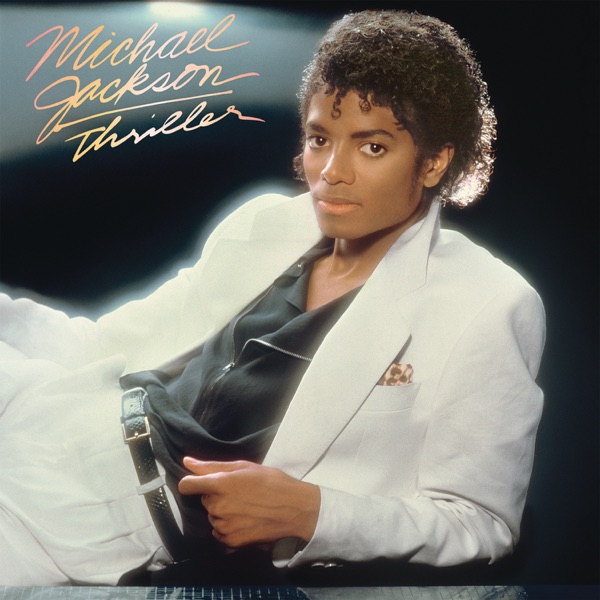
Michael Jackson's Billie Jean from 1989 brings pop energy into the Deep Dance 001 + 002 tracklist. In the mix it works as a compact snapshot of late-80s club culture, connecting radio hooks, dancefloor rhythm and the fast-cut megamix style that shaped the early Deep Dance sound.
Chart peaks: DE #2 · NL #1 · SE #3 · UK #1
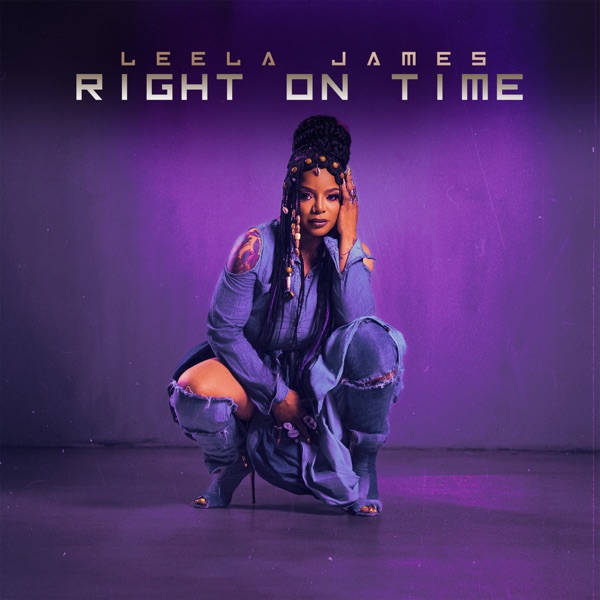
Blackbox's Right On Time from 1989 brings house energy into the Deep Dance 001 + 002 tracklist. In the mix it works as a compact snapshot of late-80s club culture, connecting radio hooks, dancefloor rhythm and the fast-cut megamix style that shaped the early Deep Dance sound.
Chart peaks: DE #1 · NL #1 · SE #1 · UK #1
Hithouse's Jack To The Sound Of The Underground from 1989 brings house, acid house energy into the Deep Dance 001 + 002 tracklist. In the mix it works as a compact snapshot of late-80s club culture, connecting radio hooks, dancefloor rhythm and the fast-cut megamix style that shaped the early Deep Dance sound.
Chart peaks: DE #6 · NL #18 · UK #14
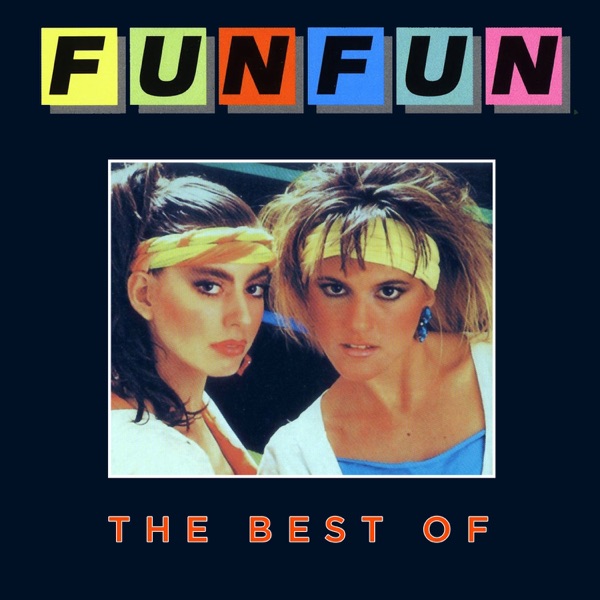
Fun Fun's Happy Station from 1989 brings dance energy into the Deep Dance 001 + 002 tracklist. In the mix it works as a compact snapshot of late-80s club culture, connecting radio hooks, dancefloor rhythm and the fast-cut megamix style that shaped the early Deep Dance sound.
Chart peaks: DE #11 · NL #4
Freeez's I.O.U. from 1989 brings dance energy into the Deep Dance 001 + 002 tracklist. In the mix it works as a compact snapshot of late-80s club culture, connecting radio hooks, dancefloor rhythm and the fast-cut megamix style that shaped the early Deep Dance sound.
Chart peaks: UK #2

Beatmasters's Rok Da House from 1989 brings dance energy into the Deep Dance 001 + 002 tracklist. In the mix it works as a compact snapshot of late-80s club culture, connecting radio hooks, dancefloor rhythm and the fast-cut megamix style that shaped the early Deep Dance sound.
Chart peaks: UK #5
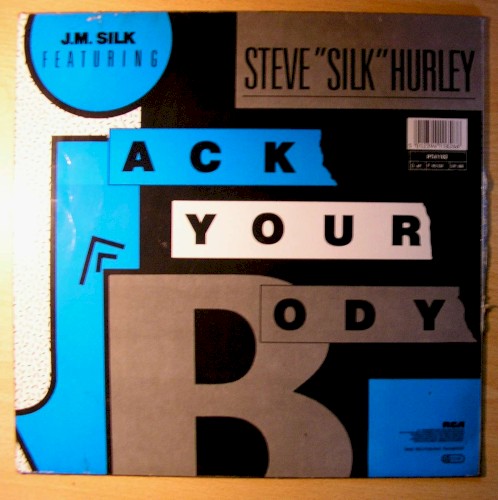
A 1987 Chicago house music track from producer Steve 'Silk' Hurley that made history by becoming the first house music record to reach #1 in the UK. The driving, percussion-led minimalist track helped launch house music's commercial breakthrough in Britain and opened the door for the genre's explosion across Europe.
Chart peaks: UK #1
A 1987 Chicago house music track that became an influential club anthem, featuring the raw, rhythmic energy and stripped-back production that were the hallmarks of early house music. The song was instrumental in spreading the genre from Chicago to European audiences, particularly in the UK where house music was exploding in popularity.
Chart peaks: UK #8
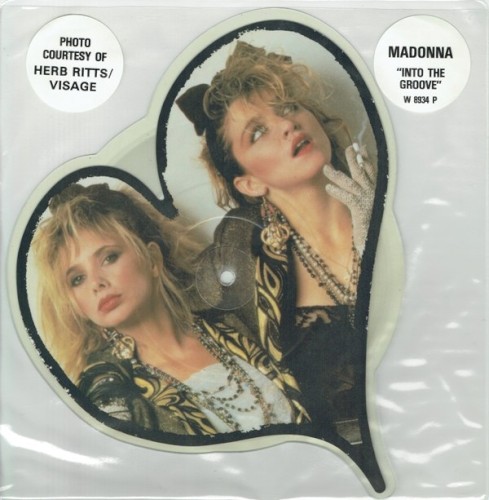
Madonna's Into The Groove from 1994 brings dance pop energy into the Deep Dance 001 + 002 tracklist. In the mix it works as a compact snapshot of late-80s club culture, connecting radio hooks, dancefloor rhythm and the fast-cut megamix style that shaped the early Deep Dance sound.
Chart peaks: DE #3 · NL #1 · UK #1
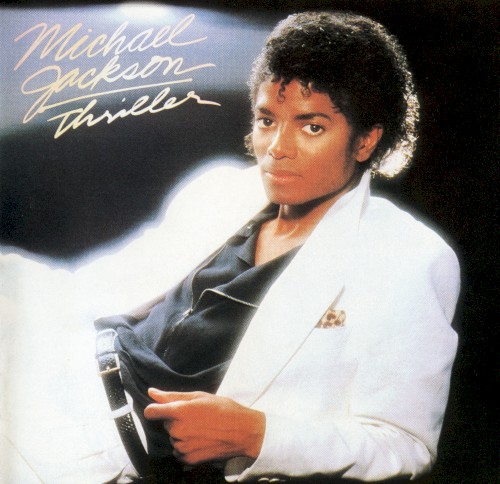
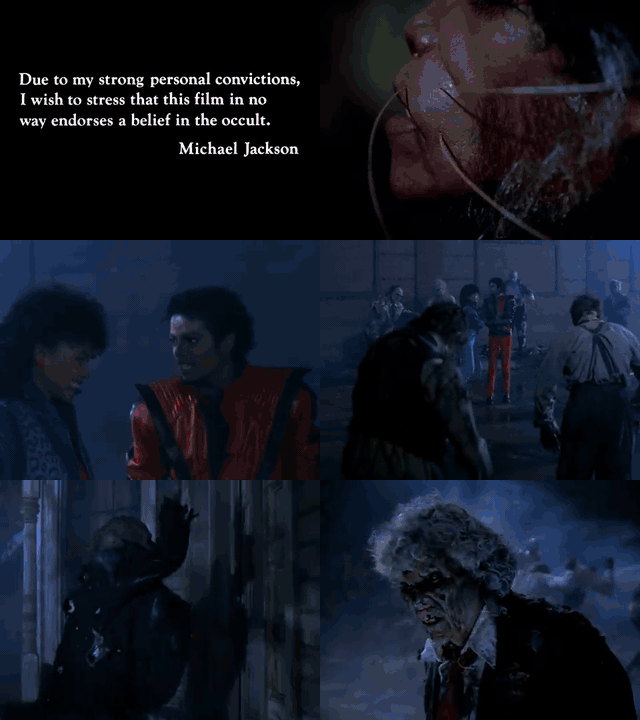
Michael Jackson's Thriller from 1994 brings pop energy into the Deep Dance 001 + 002 tracklist. In the mix it works as a compact snapshot of late-80s club culture, connecting radio hooks, dancefloor rhythm and the fast-cut megamix style that shaped the early Deep Dance sound.
Chart peaks: DE #9 · NL #4 · UK #10
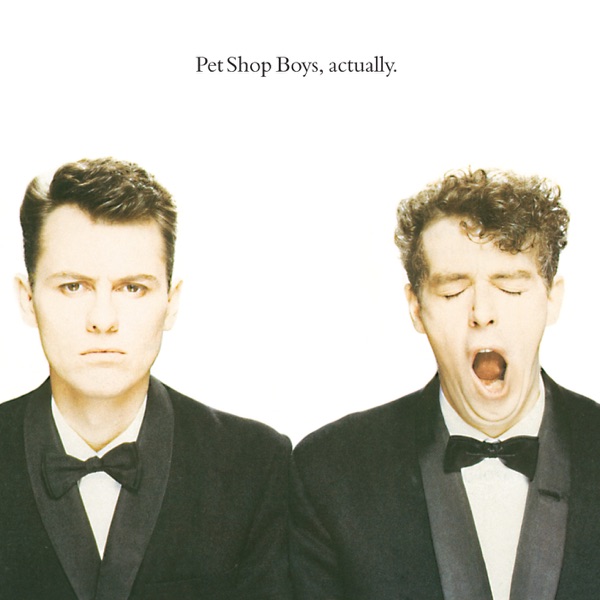
Pet Shop Boys's Westend Girls from 1989 brings dance pop, synth pop, hi nrg energy into the Deep Dance 001 + 002 tracklist. In the mix it works as a compact snapshot of late-80s club culture, connecting radio hooks, dancefloor rhythm and the fast-cut megamix style that shaped the early Deep Dance sound.
Chart peaks: DE #2 · NL #3 · SE #1 · UK #1
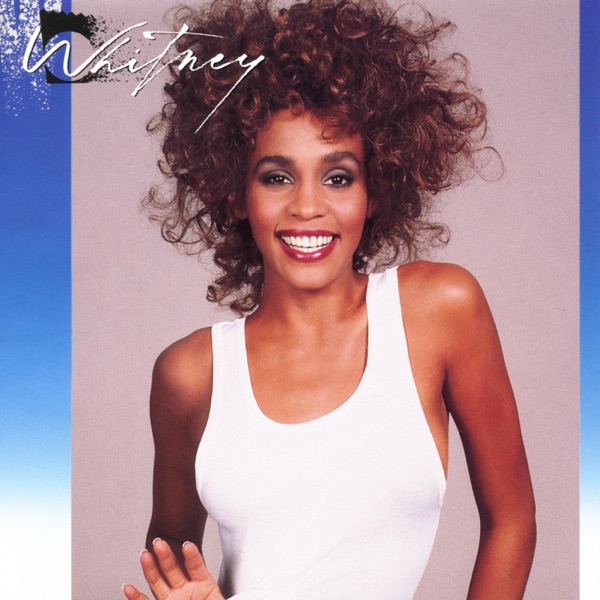
A 1987 dance-pop smash from Whitney Houston, written by George Merrill and Shannon Rubicam and produced by Narada Michael Walden. Reaching #1 in the US, UK, and many other countries, the song became one of the defining pop anthems of the decade, showcasing Houston's extraordinary voice at the height of her commercial and artistic powers.
Chart peaks: DE #1 · NL #1 · SE #1 · UK #1
Stars On 45's Stars On 45 from 1994 brings dance energy into the Deep Dance 001 + 002 tracklist. In the mix it works as a compact snapshot of late-80s club culture, connecting radio hooks, dancefloor rhythm and the fast-cut megamix style that shaped the early Deep Dance sound.
Chart peaks: DE #1 · NL #1 · SE #1 · UK #2
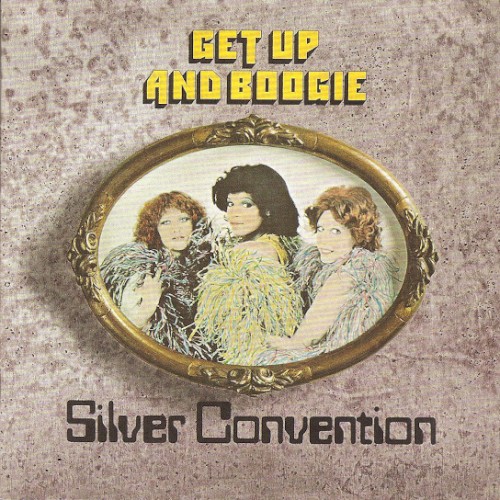
Silver Convention's Get Up & Boogie from 1994 brings disco energy into the Deep Dance 001 + 002 tracklist. In the mix it works as a compact snapshot of late-80s club culture, connecting radio hooks, dancefloor rhythm and the fast-cut megamix style that shaped the early Deep Dance sound.
Chart peaks: UK #7
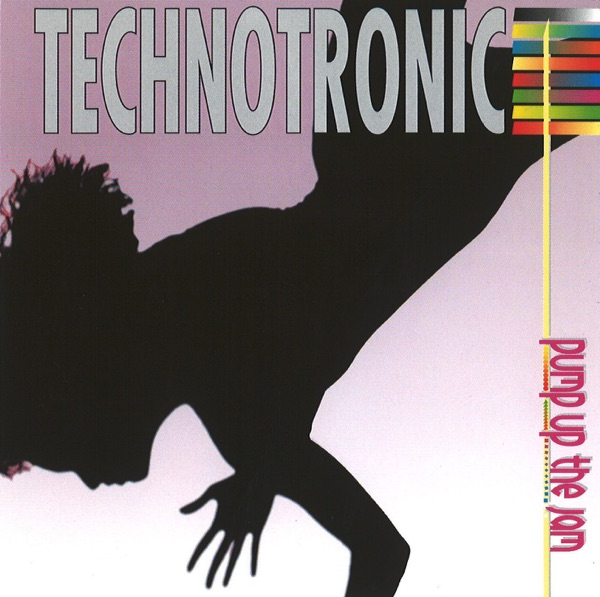
Technotronic's Pump Up The Jam is one of the essential dance records of 1989, built around a punchy hip-house groove, commanding vocal hooks and instant club energy. In the Deep Dance tracklist it acts as a landmark moment for the shift into 90s dance music.
Chart peaks: DE #2 · NL #2 · SE #4 · UK #2
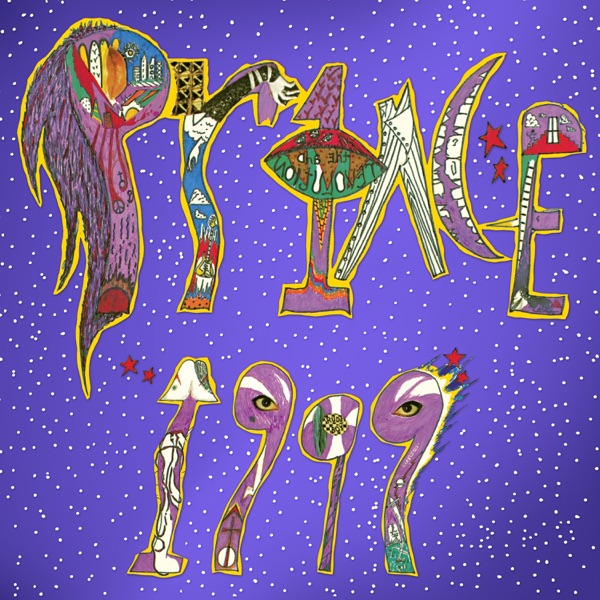
Prince's 1999 from 1989 brings pop energy into the Deep Dance 001 + 002 tracklist. In the mix it works as a compact snapshot of late-80s club culture, connecting radio hooks, dancefloor rhythm and the fast-cut megamix style that shaped the early Deep Dance sound.
Chart peaks: UK #2

Desireless's Voyage Voyage from 1989 brings synth pop energy into the Deep Dance 001 + 002 tracklist. In the mix it works as a compact snapshot of late-80s club culture, connecting radio hooks, dancefloor rhythm and the fast-cut megamix style that shaped the early Deep Dance sound.
Chart peaks: DE #1 · NL #1 · UK #5
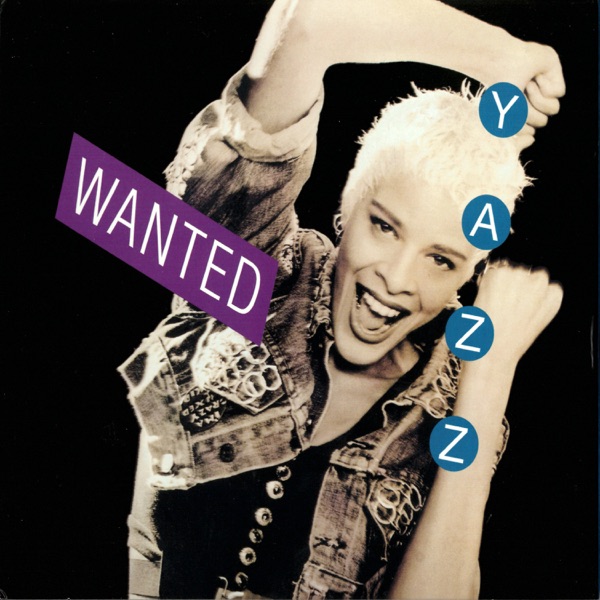
A 1988 UK number one single featuring the powerful vocals of Yazz over a propulsive sampled loop. The energetic, euphoric track topped the UK charts for five weeks, becoming one of the biggest hits of the year and embodying the optimistic, upward-looking spirit of late 80s British pop music.
Chart peaks: NL #2 · UK #1
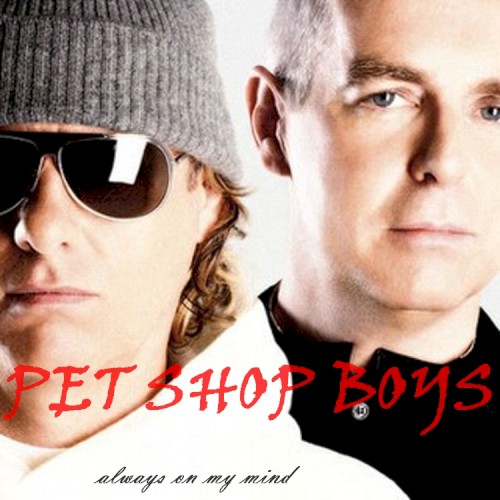
A stunning 1987 electronic cover of the classic song made famous by Elvis Presley and Willie Nelson, transformed by the Pet Shop Boys into a sweeping, orchestrated synth-pop epic. The track topped the UK charts and became one of the biggest UK hits of 1987, winning the Brit Award for Best Single and demonstrating the duo's genius for reinvention.
Chart peaks: DE #1 · NL #1 · SE #1 · UK #1
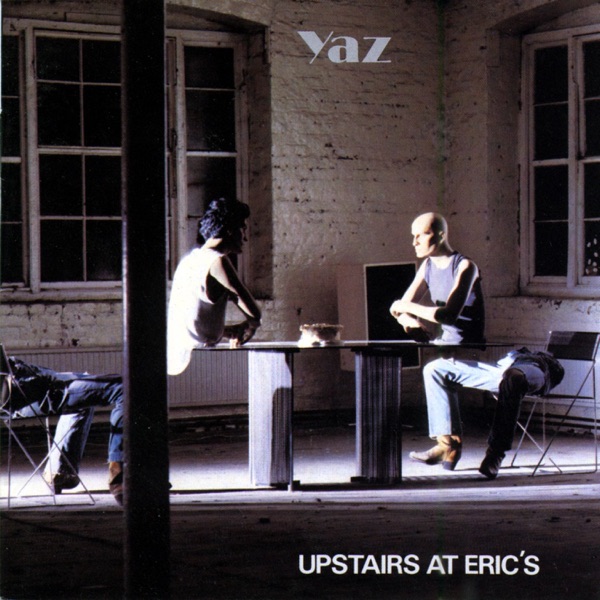
Yazoo's "Don't Go" brings a sharp synth bassline, urgent vocals and early-80s electronic pop precision into Classic Review, Part 2. It is one of the mix's cleanest synth-pop hits.
Chart peaks: DE #4 · NL #2 · SE #5 · UK #3

Cutting Crew bring widescreen 80s pop-rock drama into Classic Review, Part 2. The huge chorus and glossy production make "I Just Died In Your Arms Tonight" an instantly recognisable emotional peak.
Chart peaks: DE #4 · NL #8 · UK #4
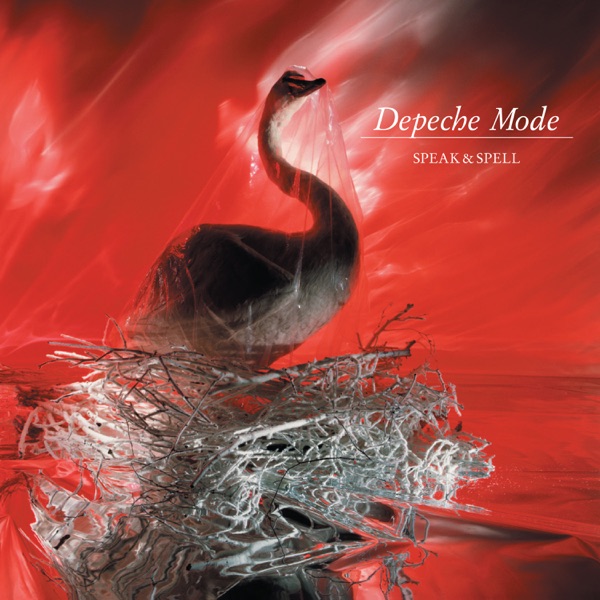
Depeche Mode's early synth-pop rush gives Classic Review, Part 2 one of its brightest electronic hooks. "Just Can't Get Enough" keeps the mix playful, melodic and immediately familiar.
Chart peaks: UK #8
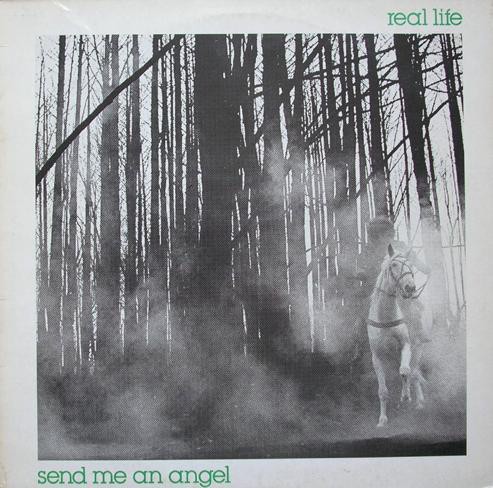
Real Life's Send Me An Angel from 1994 brings synth pop energy into the Deep Dance 001 + 002 tracklist. In the mix it works as a compact snapshot of late-80s club culture, connecting radio hooks, dancefloor rhythm and the fast-cut megamix style that shaped the early Deep Dance sound.
Chart peaks: DE #1 · NL #5 · UK #29
Farley Jackmaster Funk's Love Can't Turn Around from 1989 brings house energy into the Deep Dance 001 + 002 tracklist. In the mix it works as a compact snapshot of late-80s club culture, connecting radio hooks, dancefloor rhythm and the fast-cut megamix style that shaped the early Deep Dance sound.
Chart peaks: UK #10
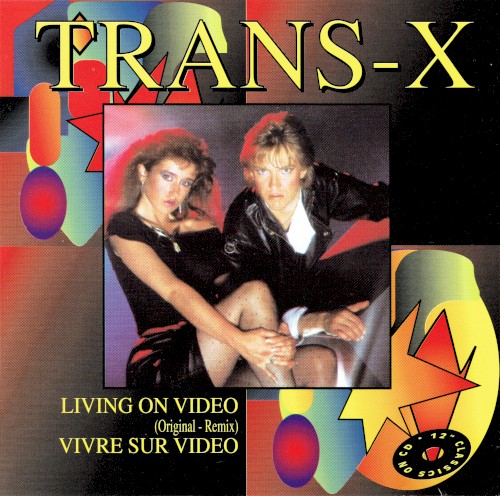
Trans X's Living On Video from 1994 brings synth pop energy into the Deep Dance 001 + 002 tracklist. In the mix it works as a compact snapshot of late-80s club culture, connecting radio hooks, dancefloor rhythm and the fast-cut megamix style that shaped the early Deep Dance sound.
Chart peaks: DE #4 · UK #9
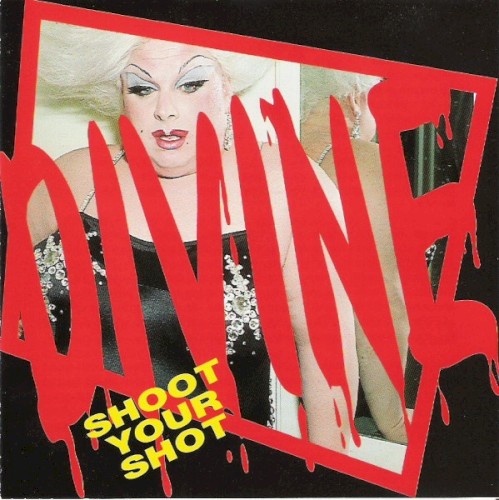
Divine's Shoot Your Shot from 1994 brings disco, hi nrg energy into the Deep Dance 001 + 002 tracklist. In the mix it works as a compact snapshot of late-80s club culture, connecting radio hooks, dancefloor rhythm and the fast-cut megamix style that shaped the early Deep Dance sound.
Chart peaks: UK #17
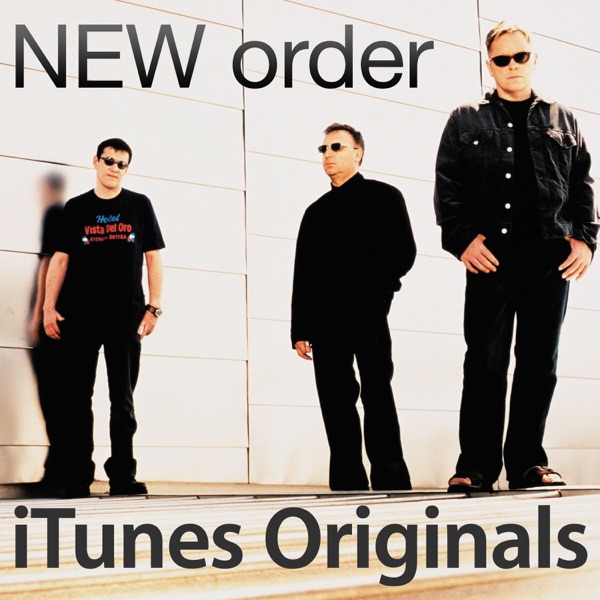
New Order's "Blue Monday" is the electronic backbone of Classic Review, Part 2: cold drum machine pressure, post-punk distance and a bassline that changed club music. Its repeated appearance makes it a structural anchor in the mix.
Chart peaks: UK #9
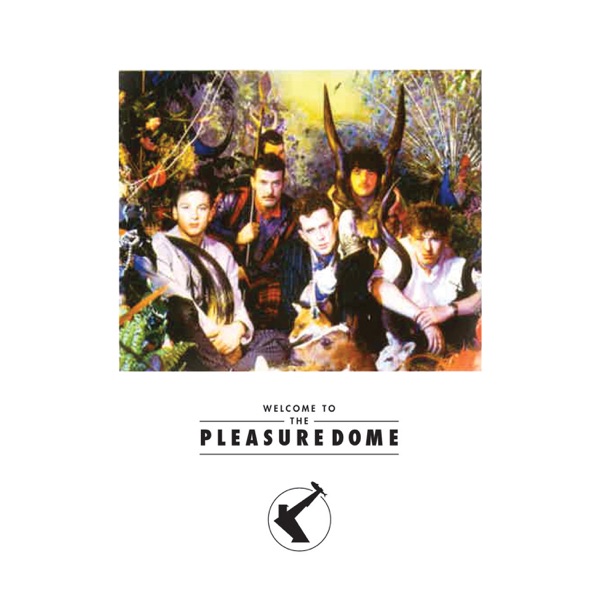
Frankie Goes To Hollywood's Two Tribes from 1989 brings new wave, hi nrg energy into the Deep Dance 001 + 002 tracklist. In the mix it works as a compact snapshot of late-80s club culture, connecting radio hooks, dancefloor rhythm and the fast-cut megamix style that shaped the early Deep Dance sound.
Chart peaks: DE #1 · NL #1 · SE #1 · UK #1
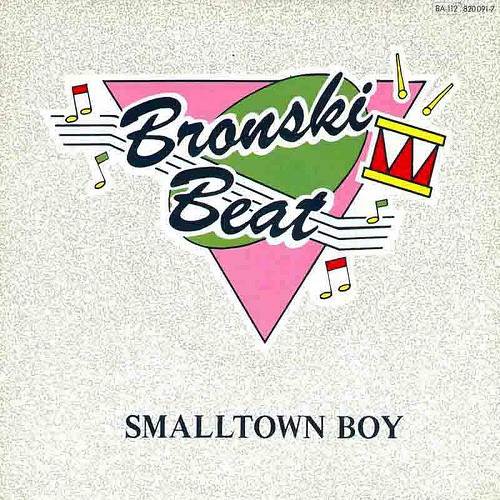
Bronski Beat's Smalltown Boy from 1994 brings synth pop, new wave energy into the Deep Dance 001 + 002 tracklist. In the mix it works as a compact snapshot of late-80s club culture, connecting radio hooks, dancefloor rhythm and the fast-cut megamix style that shaped the early Deep Dance sound.
Chart peaks: DE #3 · NL #1 · SE #2 · UK #3
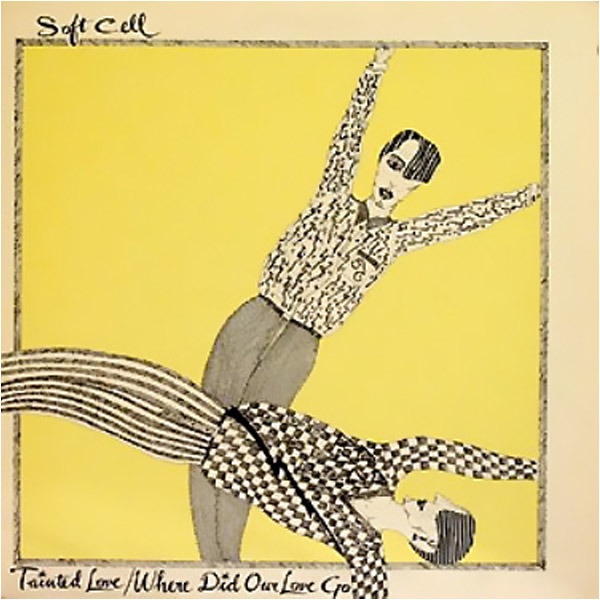
Soft Cell's Tainted Love from 1989 brings synth pop, new wave energy into the Deep Dance 001 + 002 tracklist. In the mix it works as a compact snapshot of late-80s club culture, connecting radio hooks, dancefloor rhythm and the fast-cut megamix style that shaped the early Deep Dance sound.
Chart peaks: DE #1 · NL #5 · UK #1